
How to plan a female hair transplant abroad: clinics, quotes and travel
Thinking about a female hair transplant abroad? This guide explains how to check whether it may suit you, compare clinics and quotes fairly, and plan your travel and recovery at a comfortable pace.
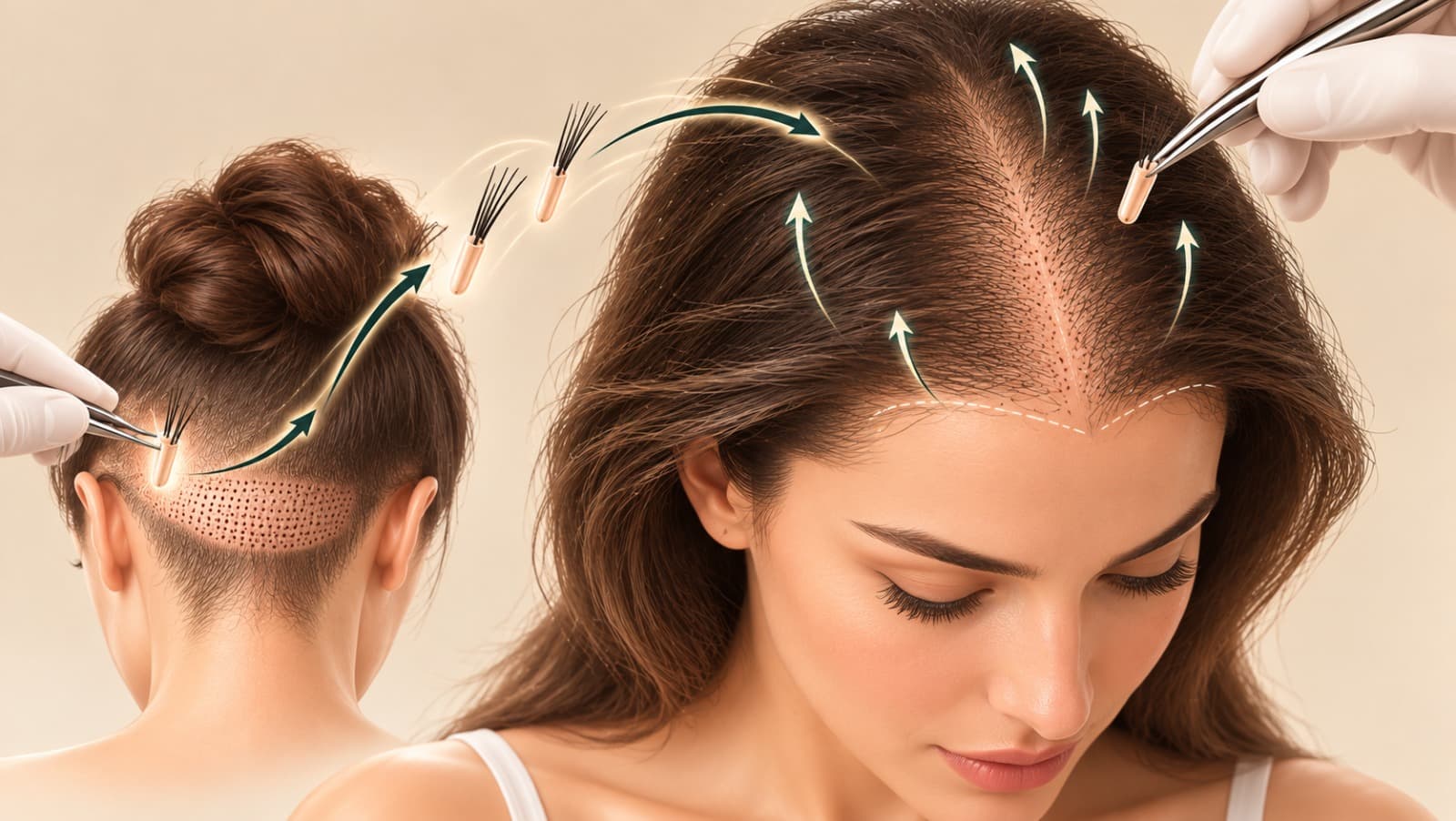
More and more women look into a female hair transplant abroad, often because of a widening part, a high hairline or thinning at the temples. Travelling for treatment can widen your choice of clinics, but it also means doing a bit more homework before you book anything. This guide walks you through the main steps: understanding whether a transplant may suit you, comparing clinics and quotes, and planning a trip that leaves enough room for rest and recovery.
Start with the cause of your hair loss
Before comparing clinics, it helps to understand why your hair is thinning. Hair loss in women often has medical causes, and a proper diagnosis should come before any surgery. A doctor will usually look at your medical history and scalp, and may suggest blood tests to check things like hormones, iron levels or thyroid function.
A female hair transplant moves healthy follicles from a donor area, usually the back of the scalp, to thinning areas. It may suit some women with a clear, stable pattern of hair loss and a strong donor area. It may be considered for:
- Female pattern hair loss that has been stable for a while
- A naturally high forehead or a wish to lower the hairline
- Traction hair loss from long-term tight hairstyles
- Scars from injury or earlier surgery, such as a facelift
- Thinning eyebrows, in some cases
Many women, however, lose hair in a diffuse way across the whole scalp, including the back and sides. In that case the donor hair may also be thinning, and a transplant may not be the right option. It is also usually not advised while hair loss is active and not yet understood, or with some scarring or autoimmune scalp conditions. Only your treating doctor can decide whether it suits you.
How to compare clinics for a female hair transplant abroad
Once you know a transplant could be an option, you can start looking at clinics. Rather than focusing on photos or slogans, look at how each clinic works with patients.
Helpful questions to ask:
- Who assesses and operates? Look for a clinic where a qualified doctor assesses your hair loss, plans the procedure and is involved in the surgery itself.
- Do they ask about the cause? A careful clinic will want to know about your medical history, previous tests and how your hair loss has changed over time.
- Which techniques do they offer? The two main methods are FUE (follicular unit extraction) and FUT (the strip method). Some clinics offer unshaven or partly shaven FUE, which many women prefer because longer hair can cover the donor area.
- How do they handle existing hair? Women often keep hair in the thinning area, so the team needs to work between existing hairs to protect them.
- Do they explain risks openly? Swelling, infection, shock loss, donor scarring and patchy growth are all possible. A clinic should talk about these honestly and not promise a particular result.
- What happens after you go home? Ask how follow-up works, whether online check-ins are offered and who you can contact if you have questions.
Clear, patient answers are usually a good sign. If a clinic seems unwilling to discuss suitability or risks, that is worth noting.
Understanding and comparing quotes
Prices vary widely between countries and clinics, and two quotes can look similar while covering very different things. Comparing them line by line makes the picture much clearer.
The cost often depends on:
- The size of the area and the number of grafts needed
- The technique: FUE, unshaven FUE or FUT
- The experience of the doctor and the team
- Pre-operative tests and consultations
- Medication, aftercare products and follow-up checks
- Travel, accommodation and transfers
When a quote arrives, check whether the number of grafts is an estimate or a fixed figure, and what happens if the doctor recommends a different number on the day after examining you. Ask whether hotel nights, airport transfers and a check-up the day after surgery are included. It also helps to ask in writing what is not included, so there are no surprises later.
Remember that a quote based on photos is only a first estimate. The final plan should be confirmed by the doctor after an in-person examination.
Planning your trip and recovery
A female hair transplant is normally done as a day procedure under local anaesthesia, sometimes with light sedation, so most patients return to their hotel the same day. The session itself often takes most of a day, depending on the number of grafts.
A typical trip might include:
- A consultation and scalp check before the procedure
- The procedure day, with planning of the hairline or treatment area, graft harvesting and placement
- A follow-up visit, often including the first gentle hair wash and aftercare instructions
- A few quiet days before flying home
In the first days, some swelling, tenderness, redness and small scabs are common. The clinic will explain how to wash your hair, how to sleep and when you can use styling products or hair colour again. Exercise, saunas and direct sun are usually limited for a while, so it makes sense to plan a calm trip rather than combining treatment with a busy holiday.
Pack loose, button-up tops that do not need to be pulled over your head, and consider a soft, loose hat if your clinic agrees it is suitable. Ask your doctor about flying soon after the procedure, as advice can differ per person.
What to expect in the months after
Recovery happens in stages. After some weeks, many of the transplanted hairs shed, which is a normal part of the process. Some women also notice temporary shedding of nearby existing hair, known as shock loss. New growth usually starts gradually over the following months, and the final look can take a year or longer to show.
Because results develop at home, good communication with the clinic matters. Your doctor may also suggest medical treatments to support your existing hair, and some women may need further treatment later. Results cannot be guaranteed, and recovery differs from person to person.
When to talk to a doctor
Speak to a doctor before planning any trip if your hair loss is recent, sudden, patchy or getting worse quickly, or if you have other symptoms such as tiredness, changes in your cycle or scalp itching and pain. These can point to causes that need their own diagnosis and treatment.
After the procedure, contact your clinic or a local doctor promptly if you notice increasing pain, spreading redness, pus, fever or swelling that does not settle. Your suitability, risks and recovery plan should always be discussed with the treating doctor.
Compare verified clinics in your own time
Choosing a clinic abroad is easier when you can see clear information side by side and ask your questions without pressure. You can learn more about the procedure and compare verified clinics on our female hair transplant page, then send one free request. The clinics will contact you, so you can review their answers and quotes and decide what feels right for you.