
What to Expect at Your First Botox Appointment: A Step-by-Step Guide
Nervous about your first Botox appointment? This guide walks you through a typical visit step by step, from preparing and the consultation to the injections, aftercare and follow-up.
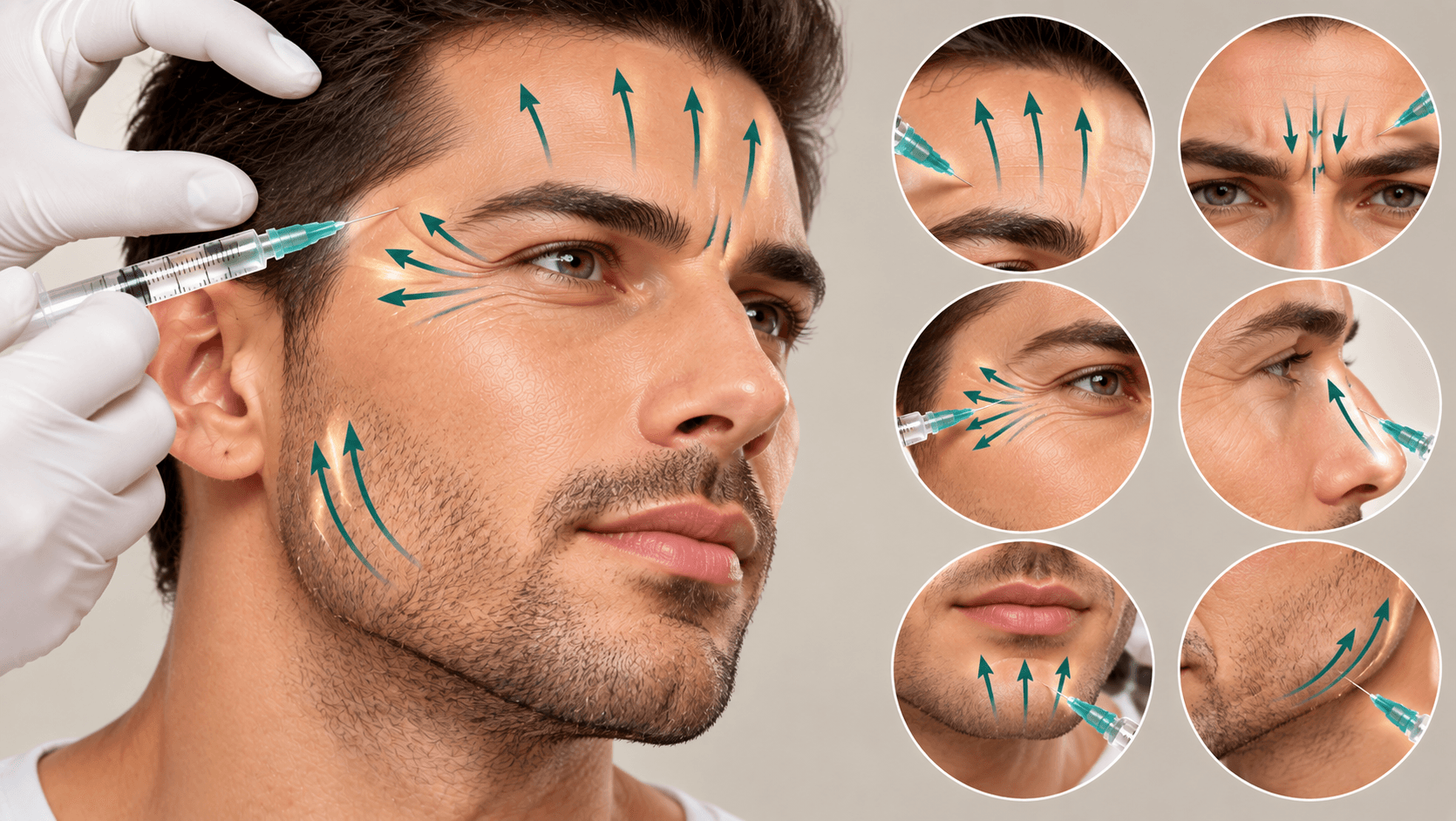
Booking your first Botox appointment can feel exciting and a little daunting at the same time. You may wonder what the doctor will ask, whether the injections hurt and how you will look when you leave the clinic. Knowing what usually happens can make the whole experience calmer and help you ask the right questions. This step-by-step guide walks you through a typical first visit, from preparation to aftercare. Keep in mind that every clinic works a little differently, and your doctor will tailor the plan to you.
How to Prepare for Your First Botox Appointment
Good preparation starts a few days before you arrive. Botox is a non-surgical treatment in which small amounts of botulinum toxin are injected into selected facial muscles to temporarily relax them and soften expression lines such as frown lines, forehead lines and crow's feet. Because it is a medical treatment, the doctor will need an honest picture of your health.
Before your visit, it helps to:
- write down all medicines, supplements and vitamins you take
- note any earlier cosmetic treatments, including previous injections or fillers
- think about which lines bother you most and what you hope to change
- prepare questions about the product, aftercare and follow-up
- arrive with clean skin, ideally without heavy make-up on the areas to be treated
Let the clinic know in advance if you are pregnant or breastfeeding, have a neuromuscular condition, have an infection or inflammation in the area, or have reacted to a botulinum toxin product before. In these situations, Botox is usually not advised or needs extra care, and the doctor may suggest a different approach.
Step One: Consultation and Facial Assessment
Your appointment normally begins with a conversation rather than a needle. The doctor will go through your medical history, ask about your goals and explain what Botox can and cannot do. This is your chance to share any worries, for example about looking "frozen" or about possible side effects.
Next comes an examination of your face. The doctor will look at your features at rest and then ask you to make different expressions, such as frowning, raising your eyebrows or smiling. This shows which muscles create your lines and how strongly they move.
During this stage, you can expect the doctor to:
- explain which areas could be treated and why
- discuss the expected effect and its temporary nature
- go through possible side effects and how they are managed
- give you a clear quote, if this was not provided before
A careful consultation is a good sign. If anything is unclear, ask before you agree to treatment. You should never feel rushed into a decision, and it is perfectly fine to take time to think things over.
Step Two: The Injections at Your First Botox Appointment
Once you are comfortable to go ahead, the treatment itself is usually short. The skin is cleaned, and the doctor may mark the injection points. Anaesthesia is usually not needed, but some clinics apply a numbing cream or a cold pack to make the injections more comfortable.
The doctor then uses a very fine needle to give several small injections into the chosen muscles. The number of injection points and the amount of product depend on your face and goals, so they differ from person to person. Most people describe the sensation as a quick pinch or a brief sting. You may be asked to move your face slightly during the process so the doctor can check the position of the muscles.
Try to stay relaxed and breathe normally. If you feel uncomfortable at any point, tell the doctor; they can pause for a moment.
Right After the Treatment
Botox is an outpatient treatment with no hospital stay, and most people go home straight afterwards. Small marks, little bumps or slight redness at the injection sites are common and usually settle quickly. Some people notice tenderness or a small bruise.
Before you leave, the doctor or nurse will give you aftercare advice. Common recommendations include:
- not rubbing or massaging the treated areas for a while
- staying upright for a few hours
- avoiding lying flat, intense exercise, saunas and alcohol for a short time, if your doctor advises it
- following any specific instructions about make-up or skincare
Many people return to work or their usual routine the same day. Still, follow the advice you receive, because instructions can vary between doctors and depend on your situation.
The Days After: Results and Follow-Up
One thing that surprises many first-time patients is that the effect does not appear immediately. It builds gradually over the following days as the muscles relax, so try not to judge the result too early.
Some clinics offer a follow-up appointment to review how the treatment has settled. This is a good opportunity to discuss whether the result matches what you hoped for and whether any adjustment might be considered. Results are temporary and fade as muscle movement slowly returns, so treatments are usually repeated. How long the effect lasts differs from person to person, so ask your doctor what to expect in your own case.
If you are travelling abroad for treatment, plan your trip so there is enough time for a follow-up if one is advised, and ask how aftercare will work once you are back home.
When to Talk to a Doctor
Most side effects of Botox are mild and short-lived, such as redness, swelling, small bruises, headache or a temporary heavy feeling in the forehead. A drooping eyelid or eyebrow, or uneven results, can also happen and are usually temporary. Contact your treating clinic if any of these worry you or do not improve.
Get medical advice straight away if you notice:
- difficulty swallowing, speaking or breathing
- changes in your vision
- signs of an allergic reaction, such as a rash, itching or swelling of the face or throat
- weakness that seems to spread beyond the treated area
Recovery, risks and suitability differ for everyone, so your treating doctor is always the best person to discuss your individual situation.
Compare Verified Clinics for Botox
Your first Botox appointment is easier when you know what to expect and have chosen a clinic you trust. Look for qualified practitioners, approved products, a proper consultation and clear information about aftercare and costs. If you would like to explore your options, you can learn more about Botox treatment and compare verified clinics on our marketplace and send one free request. Clinics will then contact you to answer your questions, and the treating doctor will assess whether Botox is right for you.