
Flying after breast augmentation: planning your stay and journey home
Thinking about surgery abroad? Learn how to plan a comfortable stay near your clinic, what to consider when flying after breast augmentation and how to set up follow-up care once you are home.
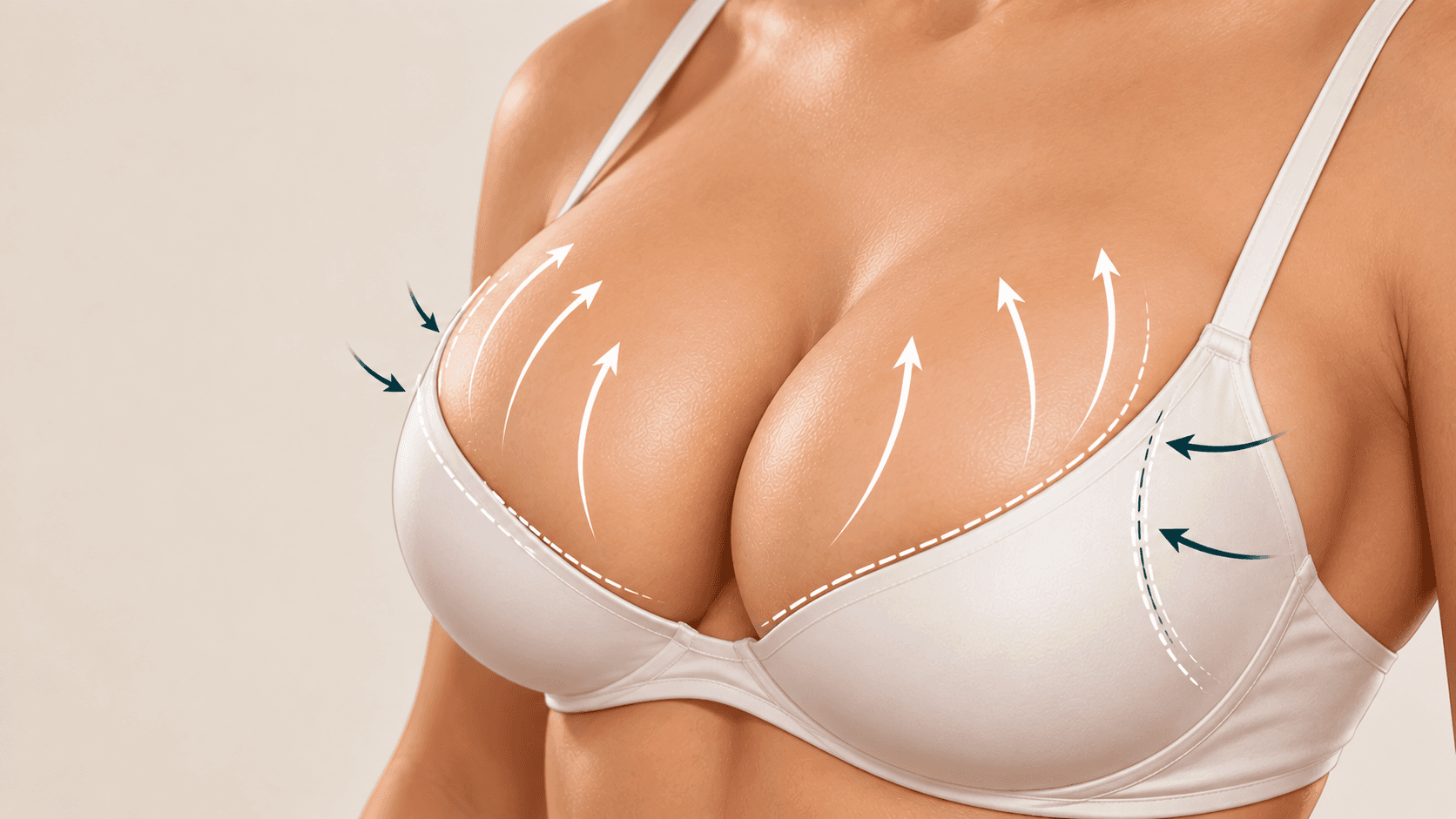
If you are thinking about having surgery in another country, one of the first practical questions is usually about the trip home. Flying after breast augmentation needs some planning. Your body needs time to start healing, your surgeon will want to check you before you leave, and the journey itself can be tiring. This guide explains what to think about so you can plan your stay and your flight calmly, and know which questions to ask your clinic.
Everyone heals differently. The advice below is general. Your surgeon is the right person to tell you when it is safe for you to travel.
Why timing matters when flying after breast augmentation
Breast augmentation is usually done under general anaesthesia, and most people feel sore, tight and swollen in the first days. A flight soon after surgery can add extra strain. You sit still for a long time, carry bags and deal with busy airports, often while you are still tired and taking pain relief.
There is also a general medical concern with any surgery followed by travel. Long periods of sitting still can raise the risk of blood clots in the legs, and that risk is already higher after an operation and anaesthesia. Staying near your clinic for a while also means your surgical team can spot and treat early problems, such as bleeding or signs of infection, before you are far away.
For these reasons, most clinics ask patients to stay nearby for a period after surgery rather than flying straight home.
How long should you stay near your clinic?
No single answer applies to everyone. How long you stay depends on your health, the technique used, whether another procedure such as a breast lift was combined, how far you have to travel and your surgeon's own approach. Some clinics suggest several days, while others prefer a longer stay, especially before long-haul flights.
When you plan your trip, ask your clinic:
- How long do you recommend I stay locally after surgery?
- When will my follow-up checks take place before I fly?
- Will stitches or drains need to be removed before I leave?
- Is the advice different for a short flight and a long-haul flight?
- What should I do if I am not ready to fly on my planned date?
It is wise to book flexible tickets or leave a few spare days in your plans. Then you will not feel pushed to travel before you and your surgeon are comfortable with it.
Planning your stay abroad
The days after surgery are mainly about rest. A little preparation can make this time much easier.
Things to consider:
- Accommodation: choose somewhere quiet and close to the clinic, ideally with a lift and easy access to food. Some clinics can suggest nearby options.
- A companion: having someone with you helps with lifting, shopping, getting dressed and getting to appointments. If you travel alone, ask the clinic what support is available.
- Comfortable clothing: front-opening tops are easier when raising your arms feels uncomfortable.
- Supplies: bring or buy the supportive bra you have been told to wear, any medication you have been prescribed and simple snacks and drinks.
- Rest positions: many people find sleeping slightly propped up more comfortable at first. Follow your surgeon's advice on this.
Try not to plan sightseeing or busy days during this time. Gentle walking is often encouraged, but heavy lifting and strenuous activity are usually off limits until your surgeon says otherwise.
Practical tips for flying after breast augmentation
Once your surgeon has said you can travel, these general tips can help make the journey more comfortable:
- Travel light: you will probably be told to avoid heavy lifting, so use a suitcase with wheels and ask for help with overhead lockers and baggage belts.
- Book assistance if needed: many airlines and airports offer help for passengers who have recently had surgery. Arrange this in advance if you think you will need it.
- Choose your seat wisely: an aisle seat makes it easier to get up and walk around.
- Keep moving: stretch your legs, flex your ankles and walk in the aisle when it is safe to do so.
- Drink enough water: cabin air is dry. Limiting alcohol and too much caffeine is generally sensible.
- Ask about compression stockings: your doctor may recommend them to support circulation during the flight.
- Wear your support bra: keep wearing the bra or garment your surgeon recommended.
- Keep medication with you: pack prescribed medicines and wound care items in your hand luggage, along with any written instructions.
- Use a small cushion: some people find a soft pillow helpful against seatbelts or bumpy rides.
Airport security, cabin pressure and your implants
Many patients wonder whether implants will cause problems at the airport. Breast implants are not metal, so they do not usually set off metal detectors. Body scanners may show an area that security staff want to check. Carrying your implant documentation and a letter or summary from your clinic can make this simpler, and it is useful for your future medical records anyway.
Breast implants are designed to cope with everyday life, including normal changes in cabin pressure on commercial flights. Still, you may feel more swollen or uncomfortable after a long journey, which is a common reaction to sitting for long periods after surgery. If you have specific concerns about your implant type, ask your surgeon before you travel.
Follow-up care once you are home
Recovery continues for weeks to months after you return, while swelling settles and the implants gradually move into position. Planning aftercare before you leave is just as important as planning the flight.
Before you travel home, make sure you have:
- A written summary of your surgery, including implant details
- Clear instructions on wound care, bra wear, activity and medication
- Details of how to contact your clinic after you leave
- Information on how remote follow-ups, such as video calls, will work
- An understanding of what happens if you have a complication after returning home
It also helps to tell your own doctor at home about your surgery so they can support you with local checks if needed.
When to talk to a doctor
Contact your surgeon or a local doctor promptly if you notice anything that worries you, before or after flying. Seek urgent medical help if you have signs that could point to a serious problem, such as:
- Pain, swelling, warmth or redness in one leg, especially the calf
- Sudden shortness of breath, chest pain or coughing up blood
- Rapidly increasing swelling or firmness in one breast
- Fever, spreading redness, wound discharge or an unpleasant smell
- Pain that keeps getting worse instead of slowly improving
Also talk to your surgeon before booking anything if you have a history of blood clots, take hormonal medication, smoke or have other health conditions. These factors can affect both your surgery and your travel plans. Recovery, risks and suitability are different for every person and must be discussed with your treating doctor.
Compare clinics and plan with confidence
Good planning starts with choosing a clinic that explains aftercare and travel advice clearly. On our marketplace you can compare verified clinics, read about their approach and send one free request. Clinics will then contact you to answer your questions about your stay, your flight and follow-up care. Find out more about breast augmentation and the clinics that offer it, and take your time choosing what feels right for you.