
How to plan your trip when flying after lip fillers
Thinking about flying after lip fillers? Learn how to plan your trip around treatment, what to expect on the plane and which questions to ask your practitioner before you book your flight home.
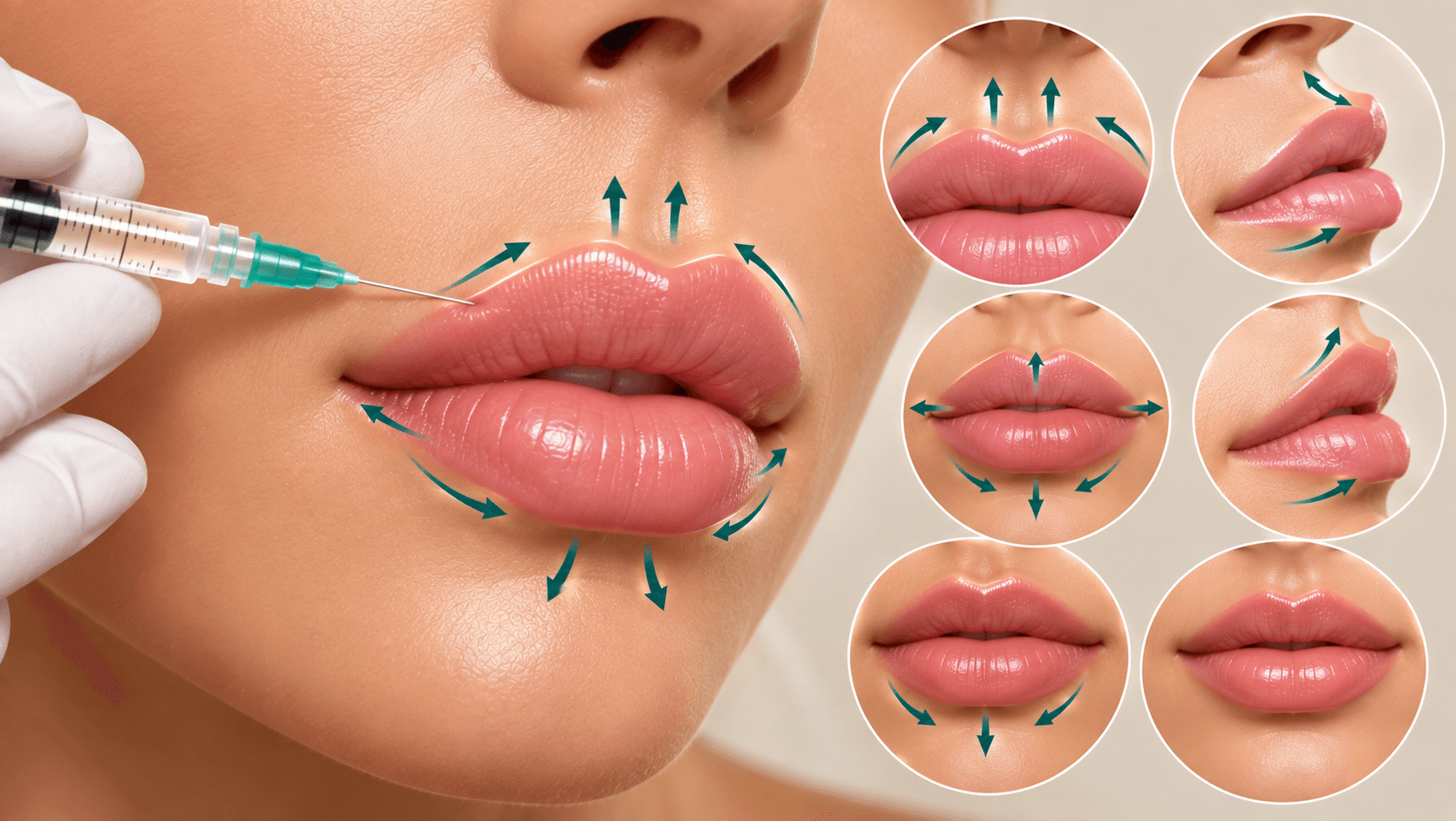
Many people combine a cosmetic treatment with a trip, whether they are travelling abroad for treatment or have a holiday booked soon after. If you are thinking about flying after lip fillers, it helps to plan the timing before you book anything. Lip fillers are a non-surgical treatment with no hospital stay, and most people go home soon after the appointment. Still, the first days usually bring some swelling and tenderness, so it is worth giving yourself time and room in your schedule.
This guide covers what to think about before you fly, how to look after your lips while travelling and when to get in touch with a doctor. It is general information only. Recovery, risks and suitability are different for everyone, so the person treating you is the one to ask about your own situation.
Why timing matters when flying after lip fillers
After lip fillers, swelling, tenderness and small bruises are common. They usually settle gradually, but how quickly varies a lot from person to person. Being on a plane does not usually change that, but a few things about air travel are worth knowing:
- Cabin pressure and dry air can make some people feel more puffy or uncomfortable, especially on longer flights.
- Sitting still for hours with little chance to move or rest properly can make you feel less comfortable while your lips are tender.
- Distance from your clinic matters most. If something unusual happens once you are home, you cannot easily pop back for a check.
That last point is often the biggest reason practitioners suggest not flying straight away. Rare complications, such as a blocked blood vessel, need quick medical attention, and it helps to still be close to the clinic in the first period after treatment.
Planning your trip around treatment
The simplest approach is to talk about your travel plans at the consultation, before you book flights. Your practitioner can tell you when it seems sensible to fly in your case, and whether they would like to see you for a follow-up before you leave.
Things to think about when you plan:
- Leave some buffer time. Rather than flying out on the day of treatment, many patients plan a few quiet days locally. Ask your practitioner how long they would suggest for you.
- Ask about a follow-up check. Some practitioners like to check the shape and symmetry once the first swelling has gone down. Many also prefer to work gradually and may suggest adding a little more at a later visit, which is easier to arrange if you are still nearby.
- Keep plans flexible. Flexible tickets or accommodation can give you some peace of mind if you need to stay a little longer.
- Avoid important events straight after. If you have a wedding, photoshoot or work trip coming up, leave enough time for your lips to settle and take on their final look.
If you are travelling abroad mainly for treatment, think of the trip as a short stay focused on recovery rather than a busy sightseeing holiday.
Tips for the flight itself
Once your practitioner has said it is fine to travel, a few simple habits can make the journey more comfortable:
- Drink water regularly. Cabin air is dry, and staying hydrated helps you feel more comfortable overall.
- Go easy on alcohol. Aftercare advice often includes avoiding alcohol for a short time after treatment, and that applies in the air too.
- Keep your hands away from your lips. Try not to touch, press or rub them, and be careful with travel pillows or face masks that press against your mouth.
- Pack a gentle lip balm if your practitioner has said it is suitable, but hold off on lipstick until you have been told it is fine.
- Bring your aftercare instructions and the clinic's contact details in your hand luggage, along with information on the filler used if the clinic provides it.
- Ask about cold compresses. If your practitioner recommends one, find out how you can use something similar while travelling.
It also helps to get up and move gently during longer flights when it is safe to do so, simply for general comfort.
After you land: aftercare away from home
Arriving home or at your destination does not mean aftercare is over. Keep following the advice you were given, which often includes:
- Avoiding strenuous exercise, saunas and very hot environments for a short period
- Not massaging your lips unless you have been told to
- Keeping an eye on how the swelling and any bruising change
- Taking photos for your own records if that helps you track progress
If you are going on to a beach holiday, ask your practitioner about sun exposure and heat. Remember that small lumps or slight unevenness can appear in the early days and often settle, but you should report anything that worries you.
Flying after lip fillers when you are prone to cold sores
Lip fillers can trigger a cold sore flare-up in people who tend to get them. Travel, tiredness and sun can play a part for some people too. If you are prone to cold sores, mention it at your consultation. Your practitioner may give you advice on how to prepare, and they may postpone treatment if you have an active cold sore. Planning ahead means fewer surprises while you are away.
When to talk to a doctor
Most side effects of lip fillers are mild and short-lived. However, some signs need prompt attention, wherever you are. Contact your clinic straight away, or seek local medical help if you cannot reach them, if you notice:
- Pain that is severe or getting worse rather than better
- Changes in skin colour, such as pale, dusky or blotchy areas on or around the lips
- Swelling that keeps increasing instead of slowly settling
- Signs of infection, such as warmth, redness spreading or feeling unwell
- Signs of an allergic reaction, such as rash, itching or difficulty breathing
Hyaluronic acid fillers can usually be dissolved with an enzyme if a problem occurs, but timing can matter. This is another reason to have a clear plan for getting help before you travel. If you take blood-thinning medicines, have an autoimmune condition, or are pregnant or breastfeeding, discuss this with your practitioner before treatment, as it may affect whether the treatment is suitable for you at all.
Choosing a clinic with travel in mind
If you are travelling for treatment, choose a clinic that is happy to talk about aftercare and travel openly. Useful questions include who will carry out the treatment and what their qualifications are, which filler brand is used, how complications are handled, and how you can reach the clinic once you are home. Clear answers to these questions are just as important as the treatment itself.
When you are ready to explore your options, you can compare verified clinics and send one free request through our lip fillers treatment page. Clinics will then get in touch with you, so you can ask about timing, follow-up care and travel plans at your own pace before you decide.