
A guide to flying after liposuction, blood clots and aftercare at home
Planning liposuction abroad? Learn how to time your flight home, why blood clots matter after surgery, what helps during the journey and how to manage aftercare once you are back.
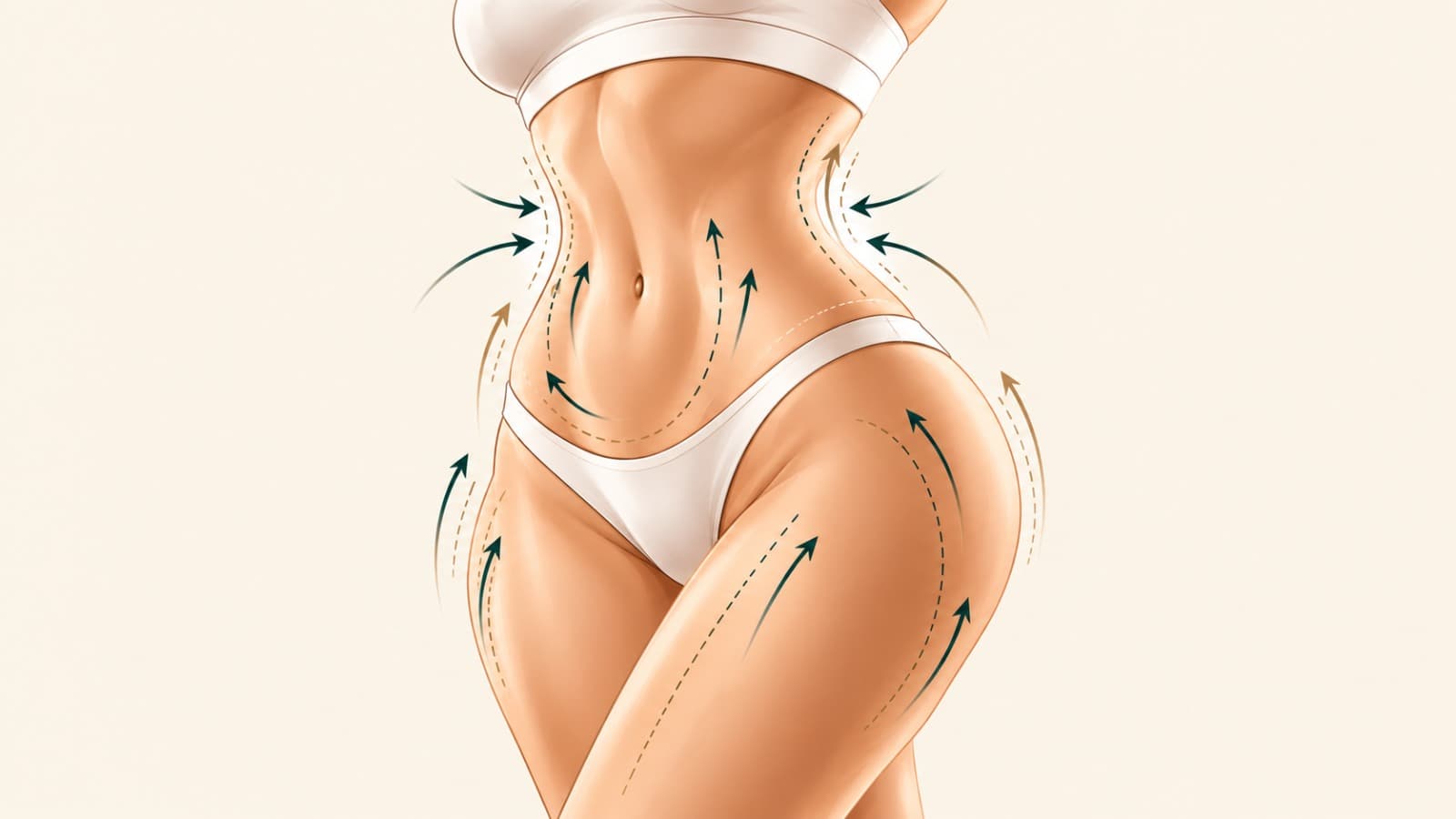
If you are thinking about having liposuction in another country, the journey home is part of the plan. Flying after liposuction is something many patients do, but it needs some thought. Surgery and long periods of sitting both affect circulation, and your body is still healing when you board the plane. This guide covers how to plan your trip, why blood clots are a concern and how to look after yourself at home. It is general information and does not replace advice from your own surgeon.
Why timing matters when flying after liposuction
Liposuction is a surgical procedure. Fat is removed through small incisions with a thin tube called a cannula. Afterwards, most people have swelling, bruising and some discomfort, which ease gradually over the following weeks. Early on, your body is busy healing, and you may feel tired, sore or stiff.
Flying adds a few challenges of its own:
- Long periods of sitting with little movement, which slows blood flow in the legs
- Cramped seats that make it hard to change position
- Lower cabin humidity, which can make dehydration more likely
- Lifting luggage, walking long distances in airports and waiting in queues
There is no single safe waiting period that suits everyone. How soon you can fly depends on how many areas were treated, the technique and anaesthesia used, your general health and how your recovery is going. Ask your surgeon before you book how long you should stay near the clinic, and plan your return flight around that advice rather than around a fixed date.
Understanding blood clot risk after surgery
Blood clots are one of the more serious possible risks after liposuction, especially after long flights. A clot can form in a deep vein, usually in the leg, which is known as deep vein thrombosis (DVT). If part of a clot breaks off and travels to the lungs, it can become a medical emergency.
Several things can raise the risk at the same time:
- Recent surgery and anaesthesia
- Reduced movement during the first days of recovery
- Long journeys with little chance to walk around
- Personal factors such as smoking, certain medicines, a history of clotting problems or circulation conditions
This is one reason surgeons ask about your medical history before liposuction, and why some people with blood-clotting or circulation problems may not be suitable for the procedure. Your surgeon can assess your personal risk and tell you whether you need any extra precautions for the journey.
Planning your trip around liposuction
Good planning makes the trip home easier and less stressful. Before you travel, discuss these points with the clinic:
- How long you should stay in the area after surgery
- When your follow-up checks will take place before you leave
- Whether you will need a final check before you are cleared to fly
- What written instructions and medical notes you will take home
When booking, it often helps to:
- Choose flexible tickets in case your surgeon advises a later departure
- Pick direct flights where possible to cut down total travel time
- Book an aisle seat so you can stand up and stretch more easily
- Arrange airport assistance if walking long distances feels hard
- Travel with a companion who can carry bags and help you
Keep your accommodation close to the clinic, and make sure it is quiet and comfortable enough for rest in the first days.
Tips for the flight home after liposuction
On the day of travel, small habits can support your circulation and comfort. Always follow your surgeon's specific instructions first, but general advice often includes:
- Wear your compression garment as your surgeon recommends, and make sure it fits well without digging in
- Move regularly: walk up and down the aisle when it is safe, and do simple ankle circles and calf raises while seated
- Drink water throughout the journey and limit alcohol and caffeine
- Wear loose, comfortable clothing over your garment
- Keep medicines and documents in your hand luggage, including pain relief, wound care items and your clinic's instructions
- Avoid lifting heavy bags and ask for help with overhead lockers
Some surgeons advise extra measures, such as compression stockings or medicines to reduce clot risk. Only use these if your doctor recommends them, as they are not right for everyone.
Aftercare at home once you are back
Recovery carries on long after you land. Many people return to light activities fairly soon, but strenuous exercise usually waits until the surgeon agrees. The final contour can take several months to show as swelling settles.
At home, you can usually expect to:
- Keep wearing your compression garment for the period your surgeon recommends
- Follow wound care and pain relief instructions
- Take gentle walks to support circulation
- Notice numbness or tightness in treated areas, which often improves over time
It helps to arrange local follow-up care before you travel. Let your family doctor know about your procedure, and ask your clinic how remote check-ins work and who to contact with questions. Keep copies of your surgical notes so any doctor who sees you knows exactly what was done.
When to talk to a doctor
Recovery and risks differ from person to person, so always discuss any worries with your treating doctor. Get medical help promptly, during the journey or after, if you notice:
- Pain, swelling, warmth or redness in one leg, especially the calf
- Sudden shortness of breath, chest pain or coughing up blood
- Fever, increasing redness, discharge or a bad smell from an incision
- Bleeding that does not stop or swelling that grows quickly
- Dizziness, fainting or feeling very unwell
Breathing problems or chest pain need emergency care straight away. For other concerns, contact your surgeon or a local doctor and explain that you have recently had liposuction.
Compare clinics and plan with confidence
Careful planning, honest advice from your surgeon and a clear aftercare plan all make travelling for surgery more manageable. When you speak with clinics, ask how they support patients who fly home and what follow-up they offer once you are back. You can learn more about the procedure and compare verified clinics on our liposuction treatment page, then send one free request and let clinics contact you to discuss your options.