
Planning liposuction abroad: techniques, recovery and costs
Liposuction is a cosmetic procedure that removes stubborn fat from areas such as the abdomen, thighs or arms to improve body contour. It is not a weight-loss treatment, and suitability depends on your health and goals.
About Liposuction
Liposuction is a cosmetic surgical procedure that removes stubborn fat deposits from specific areas of the body, such as the abdomen, hips, thighs, arms or chin, using a thin tube called a cannula. It is meant to improve body contour, not to treat obesity or replace weight loss, and it does not tighten loose skin.
Key facts
- Treats localised fat that does not respond well to diet and exercise
- Performed through small incisions, using a cannula to loosen and suction out fat
- Done under local anaesthesia, sedation or general anaesthesia, depending on the extent
- Often a day procedure, although some patients stay overnight, especially when several areas are treated
- Recovery usually moves from an early phase of swelling and bruising, through a gradual return to daily activities, to a longer period in which the final contour settles
Who is a good candidate for liposuction?
Liposuction is generally considered for adults in good overall health who are close to a stable weight but have areas of fat that are hard to shift. It tends to suit people with reasonably firm, elastic skin and realistic expectations. Your surgeon will decide whether it is right for you after a consultation and medical assessment.
Things that are often discussed during the assessment include:
- Your general health, medical history and any medicines you take
- Whether your weight has been stable for some time
- Skin quality, since loose skin may need a different procedure, such as a tummy tuck
- Smoking, which can slow healing and raise the risk of complications
- Your goals and what liposuction can and cannot realistically achieve
Liposuction may not be recommended if you have certain heart, blood-clotting or circulation problems, or if you are planning a large weight change or a pregnancy in the near future.
How is liposuction performed?
The surgeon makes small incisions near the treatment area, inserts a thin cannula and uses it to loosen and remove fat with suction. In many cases, a special fluid is injected first to reduce bleeding and discomfort. The exact technique depends on the area, the amount of fat and the surgeon's approach.
Commonly used techniques include:
- Tumescent liposuction: a large volume of diluted local anaesthetic and a medicine that narrows blood vessels is injected before the fat is removed
- Ultrasound-assisted liposuction: sound-wave energy helps to break up fat before suction
- Laser-assisted liposuction: laser energy is used to soften fat
- Power-assisted liposuction: a vibrating cannula helps the surgeon move through the tissue
No single technique is right for everyone. Before surgery you will usually have a consultation, photographs and markings of the treatment areas, and instructions about eating, drinking and medicines. Afterwards, the incisions are closed or left to drain, and a compression garment is normally fitted.
What is recovery like after liposuction?
Most people have swelling, bruising and some discomfort in the first days, which gradually ease over the following weeks. Many return to light activities fairly soon, while more strenuous exercise usually waits until the surgeon agrees. The final shape can take several months to show as the swelling settles.
During recovery, you can usually expect:
- Wearing a compression garment for the period your surgeon recommends
- Pain relief and wound care instructions
- Gentle walking early on to support circulation
- Follow-up checks to monitor healing
- Numbness or tightness in the treated areas, which often improves over time
Recovery differs from person to person and depends on how many areas were treated, the technique used and your general health. If you travel abroad, ask how long you should stay near the clinic before flying home, and plan for follow-up care once you are back.
What are the risks and side effects of liposuction?
Like any surgery, liposuction carries risks, and your surgeon should explain them clearly before you agree to the procedure. Common, usually temporary, side effects include swelling, bruising, soreness and numbness. Less common but more serious complications can occur and need prompt medical attention.
Possible risks include:
- Uneven contours, dimpling or rippling of the skin
- Fluid collecting under the skin (seroma)
- Infection or delayed wound healing
- Changes in skin sensation that may last for some time
- Bleeding or reactions to anaesthesia
- Blood clots, which can be serious, particularly after long flights
- Rarely, fat embolism or injury to internal organs
Your individual risk depends on your health, the extent of the procedure and the experience of the surgical team. Always ask what to watch for after surgery and who to contact if something feels wrong.
What affects the cost of liposuction?
The cost of liposuction varies widely between countries, clinics and patients. The main factors are the number and size of the areas treated, the technique, the type of anaesthesia and whether a hospital stay is needed. A clinic can usually only give a reliable quote after reviewing your case.
When comparing offers, check what is included:
- Surgeon, anaesthesia and operating room fees
- Pre-operative tests and consultation
- Compression garments and medicines
- Hospital or overnight stay, if required
- Follow-up visits and how revisions are handled
- Travel, accommodation and transfers, if offered as a package
A lower price is not always better value, so look closely at safety standards and aftercare as well.
How do I choose a clinic for liposuction abroad?
Choose a clinic where an experienced, qualified surgeon performs the procedure in an accredited facility and explains your options honestly. Good clinics take time to assess your suitability, discuss risks openly and give clear aftercare instructions. Avoid clinics that promise specific results or pressure you to decide quickly.
Useful questions to ask include:
- What are the surgeon's qualifications and experience with liposuction?
- Where will the operation take place, and who will give the anaesthesia?
- Which technique do you recommend for me, and why?
- How long should I stay before travelling home?
- What aftercare and support do you provide once I am back home?
- How are complications or revisions handled?
Allow enough time in your plans for recovery before a long flight, and share your medical records with the clinic in advance.
On our marketplace, you can compare verified clinics offering liposuction and send one free request. The clinics then contact you to discuss your situation. Your treating doctor will decide which approach, if any, is suitable for you after a personal assessment.
This page gives general information and is not medical advice. A doctor at the clinic will assess whether a treatment is right for you.
Clinics offering Liposuction

No verified clinics offer this treatment yet.
Frequently asked questions
Is liposuction a way to lose weight?
No. Liposuction is designed to reshape specific areas where fat is hard to shift, not to reduce overall body weight. It works best for people who are already close to a stable weight. Keeping a healthy lifestyle afterwards matters, because the remaining fat cells can still grow if you gain weight. Your surgeon can explain what you can realistically expect for your body.
Will the fat come back after liposuction?
The fat cells removed during surgery do not usually return. But the fat cells left in your body can still get bigger if you gain weight, and that can change your shape over time, sometimes in areas that were not treated. A balanced diet and regular activity help you keep the new contour. Ask your surgeon how weight changes might affect your own result.
Does liposuction hurt?
Anaesthesia stops you feeling pain during the procedure. Afterwards, soreness, swelling and bruising are common, and many people say it feels like an aching muscle. Your clinic will usually give you pain relief and advice on comfort, such as wearing the compression garment. How much discomfort you feel varies from person to person and depends on how many areas were treated.
How soon can I fly home after liposuction abroad?
This depends on how extensive the procedure was, your general health and how your recovery is going. Flying soon after surgery can raise the risk of blood clots, so surgeons usually ask patients to stay near the clinic for a while. Your treating doctor will tell you when it is safe to travel and may suggest precautions such as compression stockings and moving around during the flight.
Can liposuction be combined with other procedures?
Yes, liposuction is sometimes combined with procedures such as a tummy tuck or breast surgery, or several body areas are treated in one session. Combining procedures can change how long the operation takes, the risks and the recovery, so it is not right for everyone. Your surgeon will look at your health and goals and suggest whether a combined or step-by-step plan makes more sense.
Related treatments
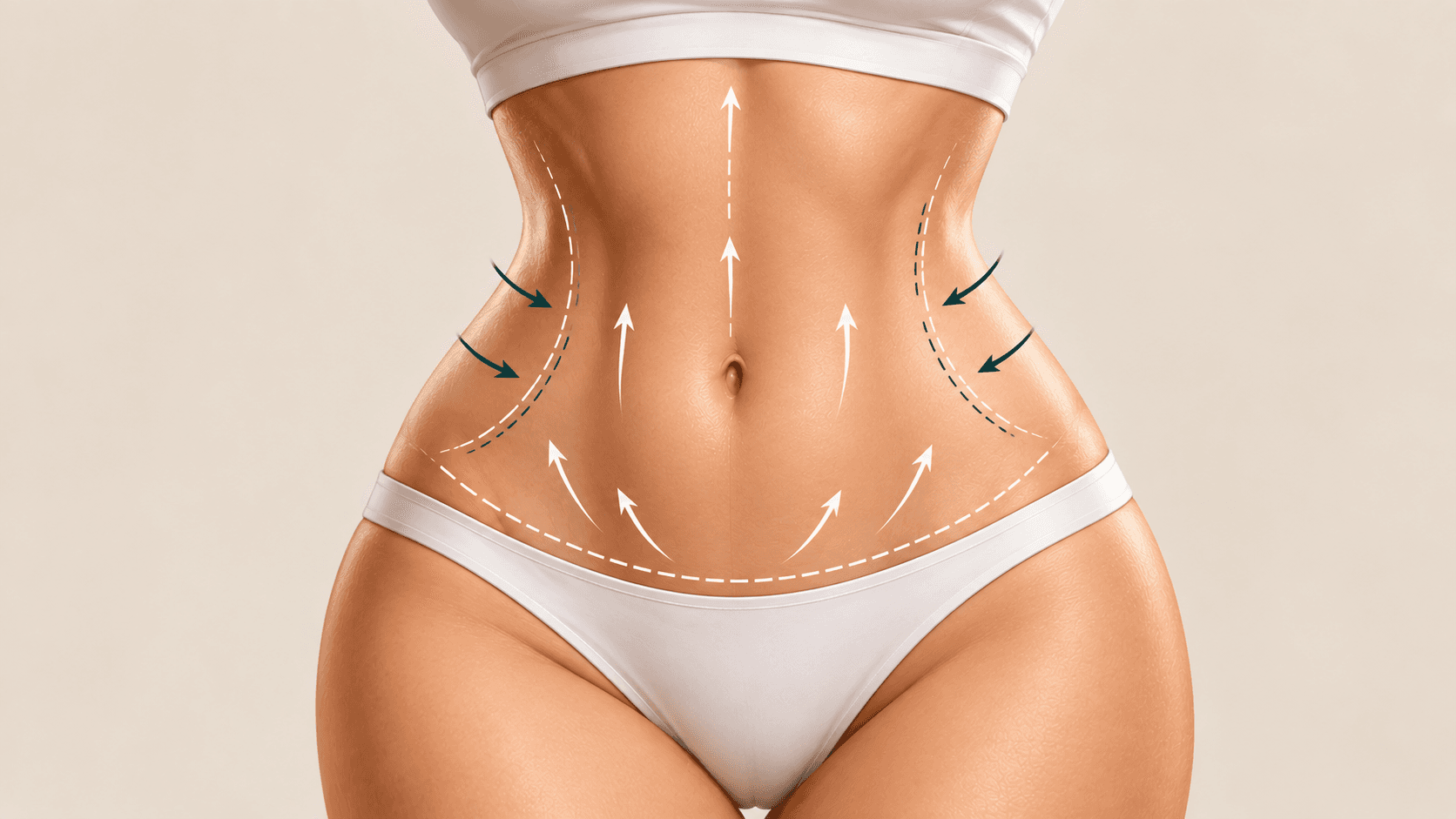
Abdominoplasty
Abdominoplasty, or tummy tuck, is a surgical procedure that removes excess abdominal skin and fat and can tighten the abdominal muscles. People often consider it after pregnancy or major weight loss.
Verified clinics: 0
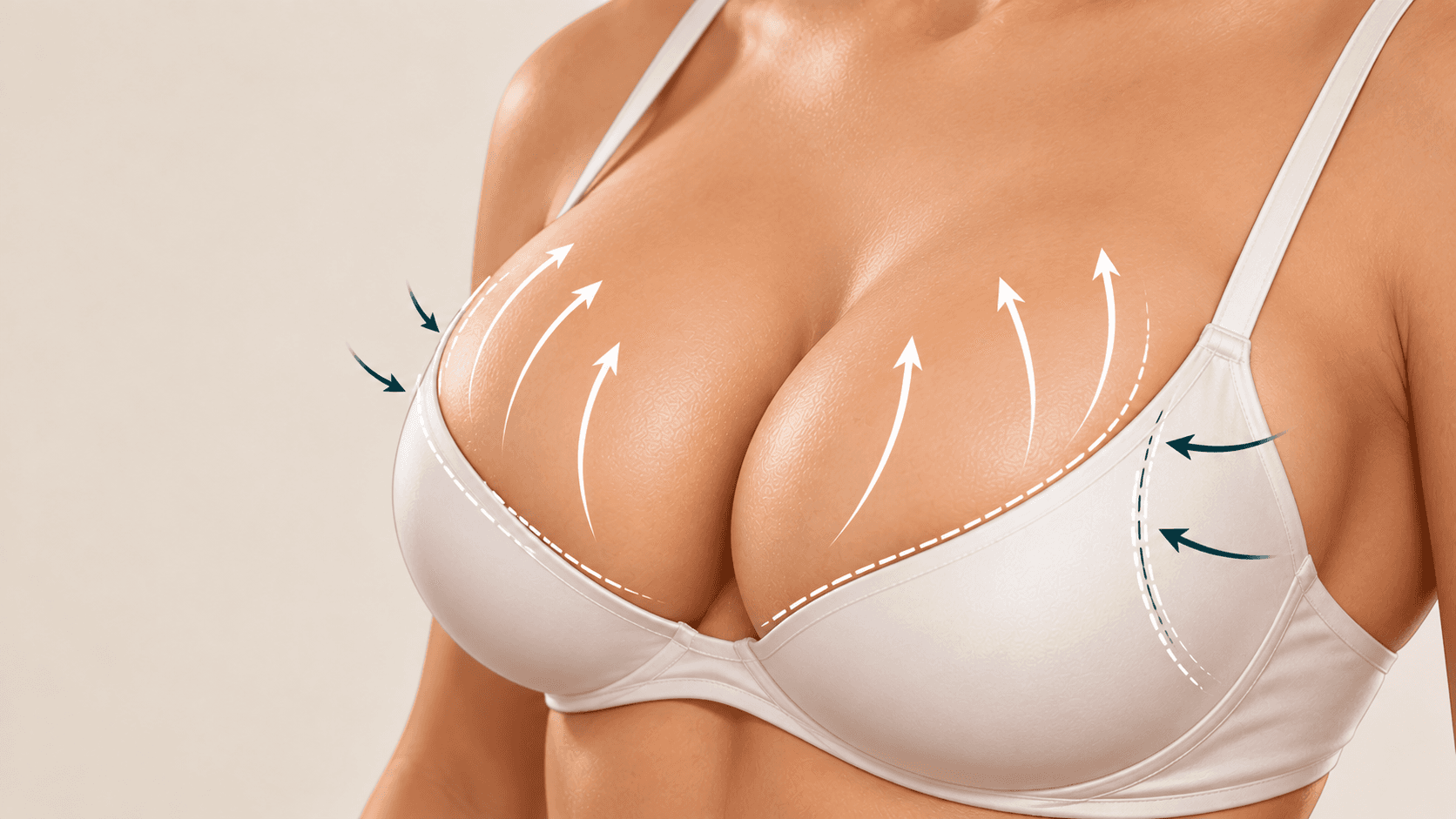
Breast augmentation
Breast augmentation is cosmetic surgery that uses implants or fat transfer to increase breast size, improve shape or symmetry, or restore lost volume. It is usually done under general anaesthesia.
Verified clinics: 0
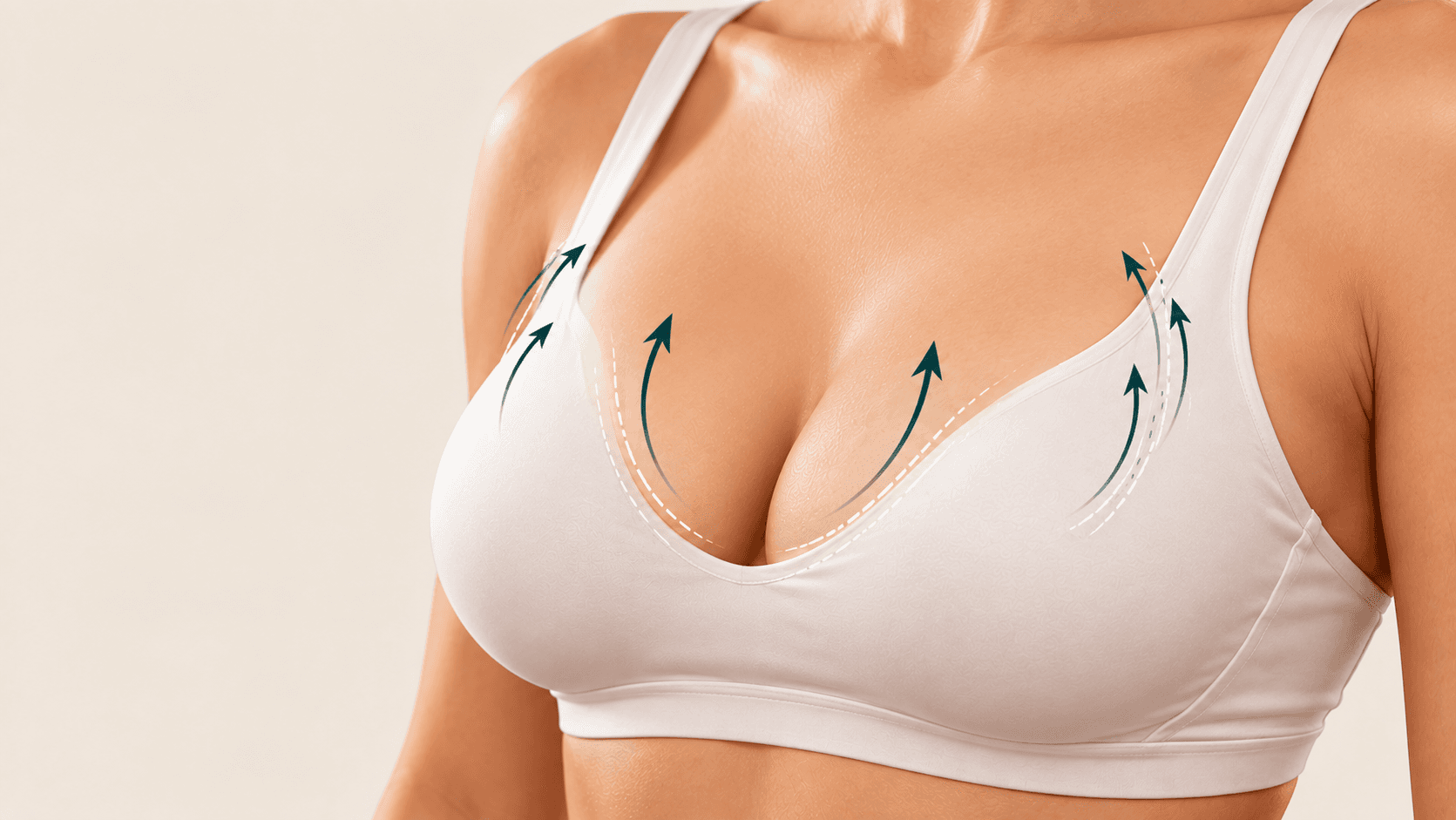
Breast lift
A breast lift (mastopexy) raises and reshapes sagging breasts by removing excess skin and repositioning the nipple. Compare verified clinics abroad and send one free request.
Verified clinics: 0
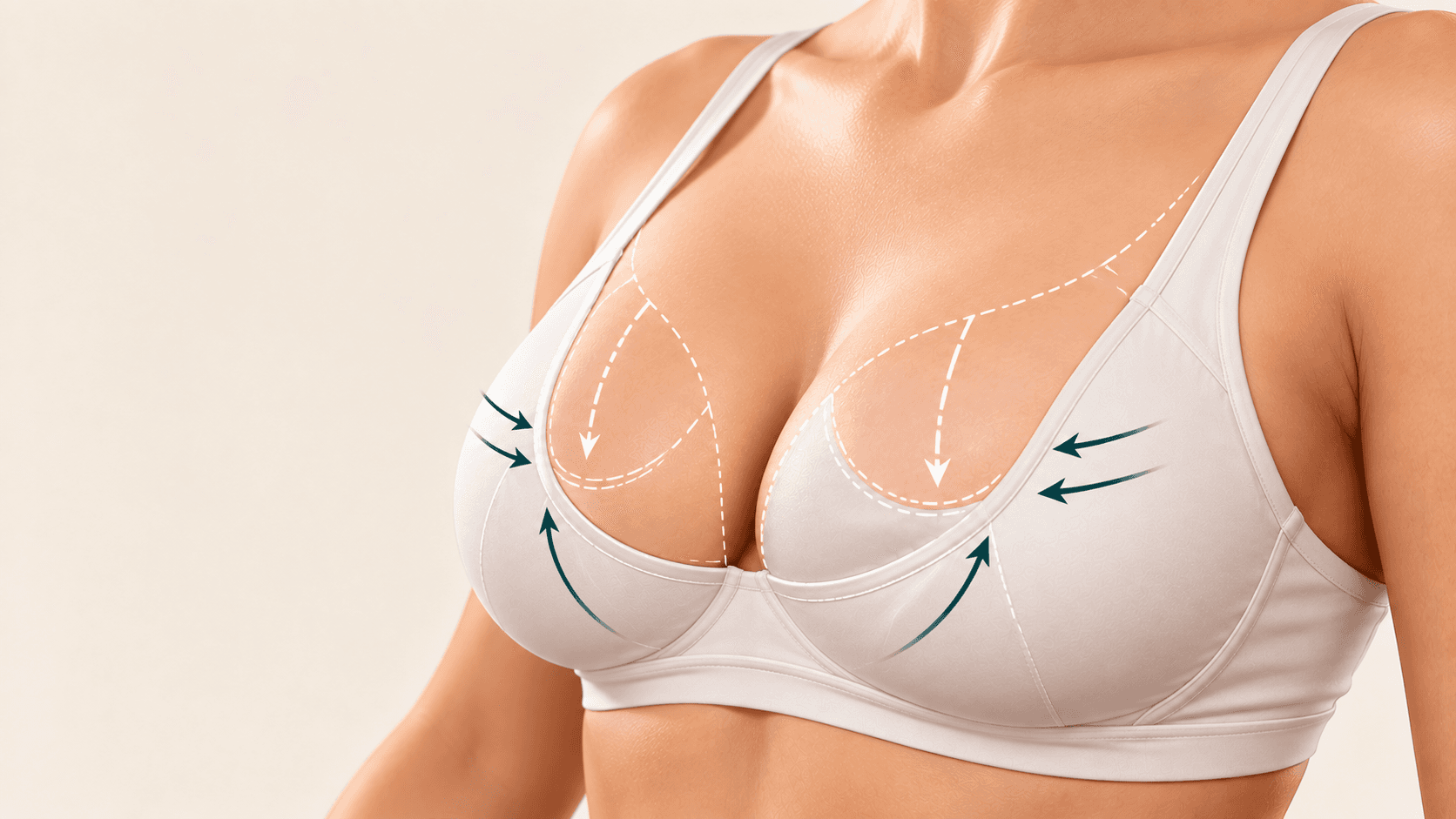
Breast reduction
Breast reduction is surgery to remove excess breast tissue, fat and skin, creating smaller, lighter breasts. It can help ease neck, back and shoulder discomfort and make everyday activities easier.
Verified clinics: 0
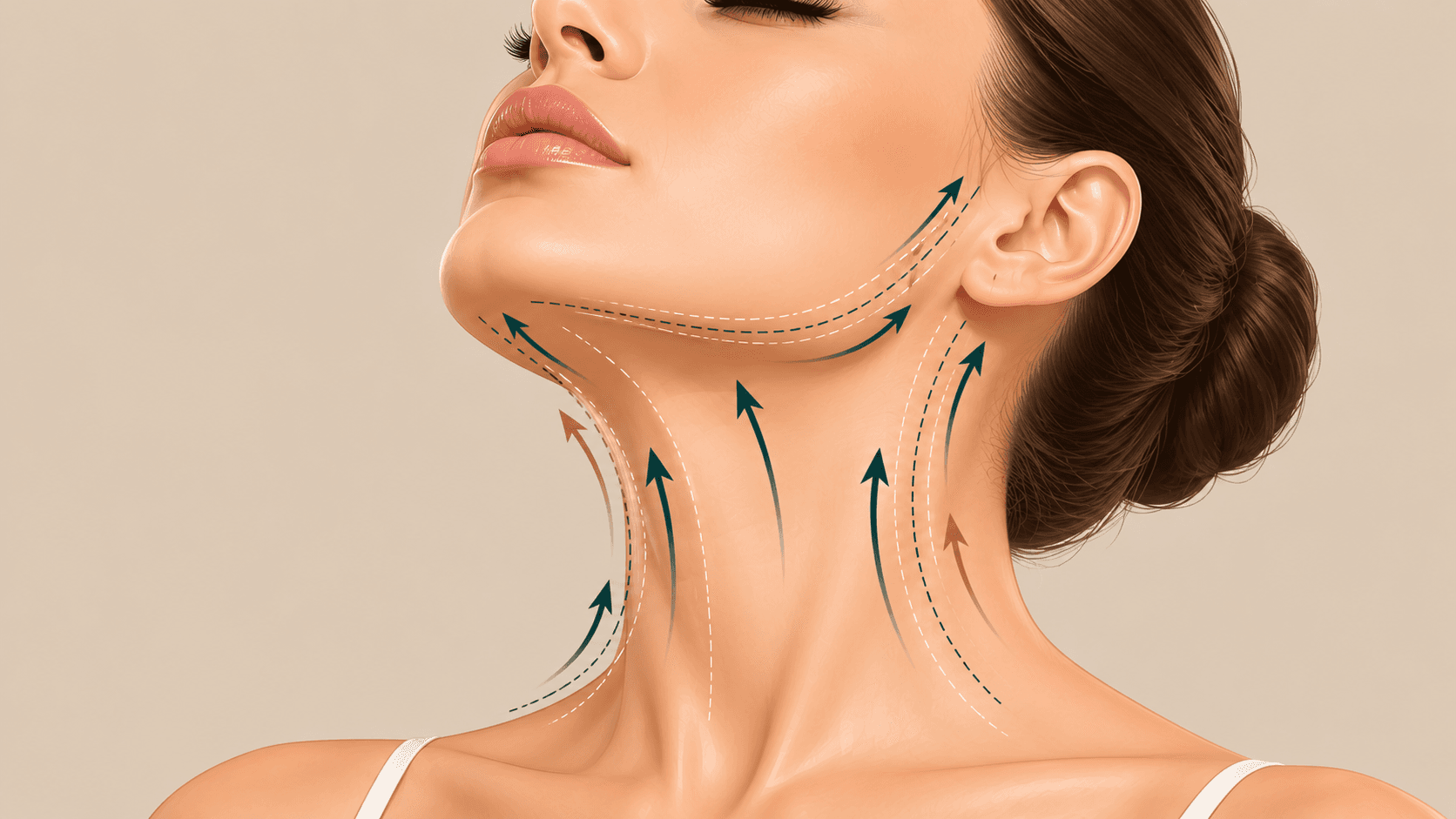
Facelift
A facelift is a surgical procedure that lifts and tightens sagging skin and deeper tissues of the lower face and neck, aiming for a fresher, more rested look that still looks like you.
Verified clinics: 0
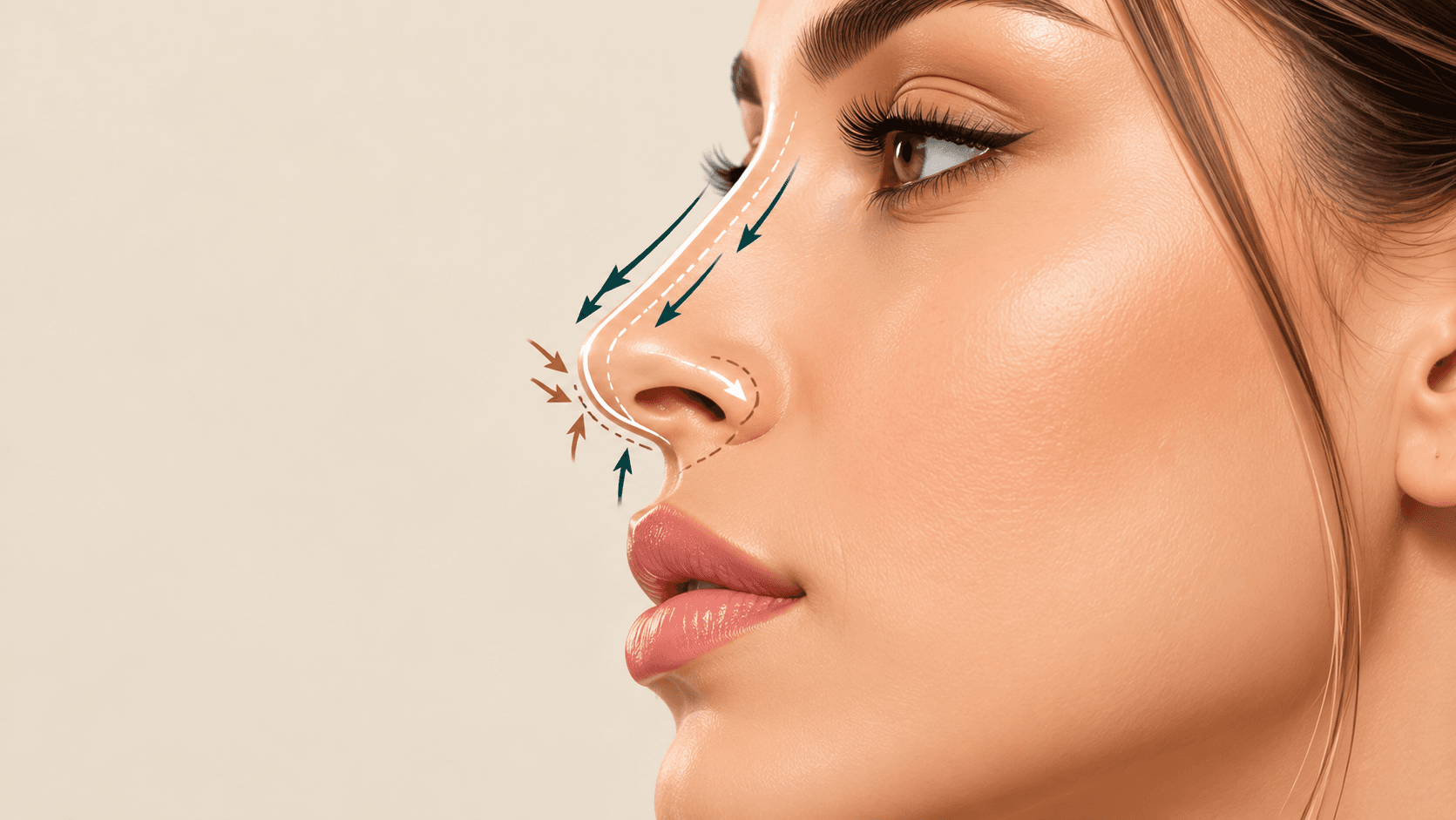
Rhinoplasty
Rhinoplasty is surgery that reshapes the nose for cosmetic or medical reasons, such as refining the tip or bridge or improving breathing. Compare verified clinics and discuss your goals with the treating surgeon.
Verified clinics: 1