
A patient guide to full-mouth restoration in Turkey
Thinking about a full-mouth restoration in Turkey? Learn how the treatment works, how trips are usually planned, what recovery can involve and how to compare clinics carefully before you decide.
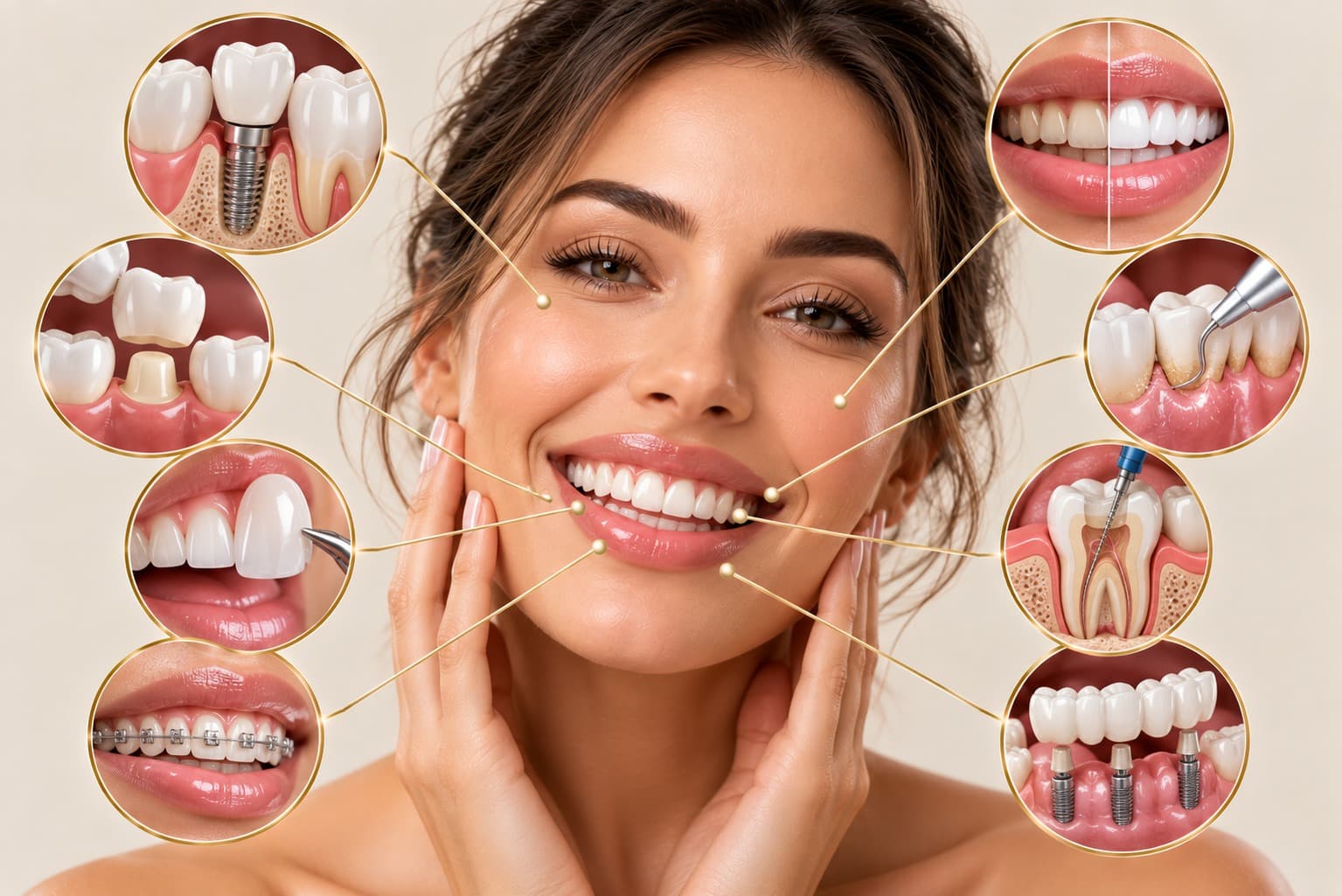
If many of your teeth are worn, broken, decayed or missing, you may have heard that a full-mouth restoration could help. Some patients look abroad when exploring their options, and a full-mouth restoration in Turkey is one route people consider. This guide explains what the treatment involves, how travel fits into the process, what recovery can look like and which questions to ask, so you can plan calmly and make an informed choice.
What is a full-mouth restoration?
A full-mouth restoration is a dental treatment plan that rebuilds or replaces most or all of the teeth in both the upper and lower jaws. Rather than a single procedure, it combines several, such as crowns, bridges, implants, veneers or fillings. The aim is to improve chewing, comfort and appearance when problems affect the whole mouth rather than just one or two teeth.
Treatment usually takes place in several stages over multiple visits and follows a personalised plan. Most steps are done under local anaesthesia, and sedation may be offered for longer or more complex sessions. A hospital stay is not usually needed, as the work is carried out in a dental clinic.
Who may be suitable for this treatment?
Only a thorough examination by a dentist can show whether a full-mouth restoration is right for you. People who are often assessed for it include those with:
- Many missing, broken or heavily filled teeth
- Severe tooth wear, for example from grinding (bruxism) or acid erosion
- Bite problems that cause discomfort, chewing difficulties or jaw strain
- Old crowns, bridges or dentures that no longer fit well
- Teeth damaged by long-term decay or gum disease
Active problems such as gum disease or infections usually need to be treated before teeth are restored. General health also plays a role. Uncontrolled diabetes, smoking, certain medications or limited bone in the jaw can influence which options are possible. Sharing your full medical history with the dentist helps them suggest a plan that is realistic for you.
How a full-mouth restoration in Turkey is usually planned
The exact steps depend on the condition of your teeth, gums, bone and bite. A typical process may include:
- Examination and diagnostics: X-rays or 3D scans, photos, impressions or digital scans, and a check of your bite and jaw joints
- Treatment planning: the dentist explains options such as crowns, bridges, veneers, implants or dentures, and may create a preview of the planned result
- Preparatory treatment: cleaning, treating gum disease, fillings, root canal treatment or removing teeth that cannot be saved
- Surgical steps if needed: placing dental implants or bone grafting, followed by a healing period
- Temporary restorations: temporary teeth let you test the new shape and bite before the final work is made
- Final restorations: permanent crowns, bridges or implant-supported teeth are fitted and adjusted
When you travel for treatment, the plan is often split into more than one trip. This is especially common when implants are involved, because they need time to integrate with the bone before the final teeth can be fitted. Your clinic should explain how many visits they expect for your situation, although timings can change depending on how you heal.
Several specialists may be involved, such as a prosthodontist, periodontist or oral surgeon. Good coordination between them matters, so it is reasonable to ask who will be responsible for each stage of your care.
Recovery and aftercare when travelling
Recovery varies a lot from person to person and depends on which procedures are included. Crowns and veneers usually cause only mild, short-lived sensitivity, while extractions or implants need more healing time.
After surgical steps, you may notice swelling, tenderness or slight bruising, which usually settles gradually. Your dentist may recommend soft foods, careful cleaning around treated areas, pain relief and avoiding smoking. During the temporary phase, it can take a while to get used to the feel of new teeth and a changed bite, and your speech may feel slightly different at first.
If you are travelling, a few practical points can help:
- Ask the clinic how long they suggest you stay after each procedure before flying home
- Keep written aftercare instructions and a summary of the work carried out
- Plan for check-ups and adjustments, both during your trip and later
- Discuss how follow-up care would work with a dentist in your home country
Once the final restorations are in place, regular check-ups and good daily oral hygiene help protect the result. Some people are advised to wear a night guard, particularly if they grind their teeth.
Risks and side effects to discuss
Like any dental treatment, a full-mouth restoration carries possible risks. Most are manageable, but they should be talked through openly before you begin. Possible issues include:
- Tooth sensitivity or discomfort after teeth are prepared for crowns or veneers
- Swelling, bleeding or infection after extractions, implants or bone grafts
- The need for root canal treatment if a tooth nerve becomes irritated
- Bite problems, jaw discomfort or headaches while adapting to a new bite
- Chipping, loosening or wear of restorations over time
- Implant complications, such as failure to integrate with the bone
- Allergic reactions or reactions to anaesthesia, which are uncommon
Your individual risk depends on your general health, habits and the complexity of the plan. Ask the clinic how complications would be handled, including after you have returned home.
What affects the cost of a full-mouth restoration in Turkey?
Costs vary widely because every plan is different. Common factors include:
- How many teeth need crowns, veneers, bridges or implants
- The materials chosen, such as zirconia, porcelain or metal-ceramic
- Preparatory treatments like gum therapy, root canals or extractions
- Bone grafting or sinus lifts if the jaw needs more support for implants
- Diagnostics, temporary teeth, sedation and follow-up visits
- Travel and accommodation, which may be needed for several trips
Ask for a detailed, itemised quote after an assessment. Check what is included, such as temporaries, adjustments and aftercare, so that you can compare offers fairly.
How to choose a clinic
Taking time to compare clinics can help you feel more confident. Useful questions include:
- Who will carry out and supervise each stage of my treatment?
- Which options do you suggest for me, and why?
- What materials will be used, and what is included in the quote?
- How many trips do you expect, and how long should each one be?
- What happens if I need adjustments or have a problem after going home?
Look for clear, written information and a dentist who explains your options without pressure. A good plan should be based on your examination and diagnostics, not on a standard package.
When to talk to a doctor
Speak to a dentist before making any travel plans, especially if you have pain, swelling, loose teeth, bleeding gums or difficulty chewing. If you have a medical condition such as diabetes or heart problems, take regular medication or smoke, mention this early, as it may affect your options and timing. After treatment, contact your treating dentist promptly if you notice increasing pain, swelling, fever, a loose restoration or a bite that feels wrong. Recovery, risks and suitability differ for everyone and should always be discussed with the dentist treating you.
Compare verified clinics
If you are exploring a full-mouth restoration abroad, comparing your options side by side can make the decision easier. You can review verified clinics and send one free request, and clinics will then contact you to discuss your situation. Find out more on our full-mouth restoration treatment page and take the next step at your own pace.