
Your guide to full-mouth restoration abroad
A full-mouth restoration rebuilds or replaces most or all teeth in both jaws, combining crowns, bridges, implants or veneers to restore chewing, comfort and appearance.
About Full-mouth restoration
A full-mouth restoration is a dental treatment plan that rebuilds or replaces most or all of the teeth in both the upper and lower jaws. It combines several procedures, such as crowns, bridges, implants, veneers or fillings, to improve chewing, comfort and appearance when many teeth are worn, damaged, decayed or missing.
Key facts
- Treats widespread tooth wear, decay, breakage, gum-related tooth loss or many missing teeth
- Usually done in several stages over multiple visits, based on a personalised treatment plan
- Most steps are done under local anaesthesia; sedation may be offered for longer or more complex sessions
- No hospital stay is usually needed, as treatment takes place in a dental clinic
- Recovery happens in phases: healing after any surgery, a period with temporary teeth, then fitting of final restorations
Who is a full-mouth restoration suitable for?
A full-mouth restoration may suit adults whose teeth have problems across the whole mouth rather than in just one or two places. Whether it is right for you can only be decided after a thorough examination by a dentist.
People who are often assessed for this treatment include those with:
- Many missing, broken or heavily filled teeth
- Severe tooth wear, for example from grinding (bruxism) or acid erosion
- Bite problems that cause discomfort, chewing difficulties or jaw strain
- Old crowns, bridges or dentures that no longer fit well
- Teeth damaged by long-term decay or gum disease
Before restoring teeth, active problems such as gum disease or infections usually need to be treated first. General health matters too: conditions such as uncontrolled diabetes, smoking, certain medications or limited bone in the jaw can influence which options are possible. Your dentist will review your medical history and discuss what is realistic for you.
How is a full-mouth restoration done?
The treatment starts with a detailed assessment and a written plan, then moves through several stages. The exact steps depend on the condition of your teeth, gums, bone and bite.
A typical process may include:
- Examination and diagnostics: X-rays or 3D scans, photos, impressions or digital scans, and a check of your bite and jaw joints
- Treatment planning: the dentist explains options such as crowns, bridges, veneers, implants or dentures, and may create a preview of the planned result
- Preparatory treatment: cleaning, treating gum disease, fillings, root canal treatment or removing teeth that cannot be saved
- Surgical steps if needed: placing dental implants or bone grafting, followed by a healing period
- Temporary restorations: temporary teeth let you test the new shape and bite before final work is made
- Final restorations: permanent crowns, bridges or implant-supported teeth are fitted and adjusted
Because several specialists may be involved, such as a prosthodontist, periodontist or oral surgeon, good coordination is important. If you travel abroad, the treatment is often split into more than one trip, especially when implants need time to integrate with the bone.
What is recovery like?
Recovery varies a lot from person to person and depends on which procedures are included. Steps like crowns and veneers usually involve only mild, short-lived sensitivity, while surgery such as extractions or implants needs more healing time.
After surgical steps, you may notice swelling, tenderness or slight bruising, which usually settles gradually. Your dentist may recommend soft foods, careful cleaning around the treated areas, pain relief and avoiding smoking. During the temporary phase, it can take time to get used to the feel of new teeth and a changed bite, and speech may feel slightly different at first.
Once final restorations are in place, regular check-ups and good daily oral hygiene help protect your investment. Some people are advised to wear a night guard, particularly if they grind their teeth. Your treating dentist will give you a recovery plan that fits your situation.
What are the risks and side effects?
Like any dental treatment, a full-mouth restoration carries possible risks and side effects. Most are manageable, but they should be discussed openly with your dentist before you start.
Possible issues include:
- Tooth sensitivity or discomfort after teeth are prepared for crowns or veneers
- Swelling, bleeding or infection after extractions, implants or bone grafts
- Need for root canal treatment if a tooth nerve becomes irritated
- Bite problems, jaw discomfort or headaches while adapting to a new bite
- Chipping, loosening or wear of restorations over time
- Implant complications, such as failure to integrate with the bone
- Allergic reactions or reactions to anaesthesia, which are uncommon
Your individual risk depends on your general health, habits and the complexity of the plan. Ask your dentist how complications would be handled, including if you have travelled home.
What affects the cost of a full-mouth restoration?
The cost of a full-mouth restoration varies widely because every plan is different. The number of teeth involved, the materials chosen and whether implants or surgery are needed all make a big difference.
Common cost factors include:
- How many teeth need crowns, veneers, bridges or implants
- Choice of materials, such as zirconia, porcelain or metal-ceramic
- Preparatory treatments like gum therapy, root canals or extractions
- Bone grafting or sinus lifts if the jaw needs more support for implants
- Diagnostics, temporary teeth, sedation and follow-up visits
- The country and clinic, plus travel and accommodation for several trips
Ask for a detailed, itemised quote after an assessment, and check what is included, such as temporaries, adjustments and aftercare.
How do I choose a clinic abroad?
Choose a clinic based on qualifications, experience with complex cases and clear communication, not on price alone. A good clinic will explain your options honestly and give you a written treatment plan.
Points worth checking:
- Dentists' qualifications and experience with full-mouth and implant treatment
- Whether diagnostics such as 3D imaging are available on site
- Clear explanation of materials, stages and the number of trips needed
- How temporary teeth, adjustments and follow-up care are arranged
- What happens if a restoration needs repair after you return home
- Communication in a language you understand, and patient reviews
It also helps to plan with your local dentist so that ongoing care is possible after treatment.
On our site you can compare verified clinics offering full-mouth restoration and send one free request. Clinics will then contact you with more information. The treating doctor will examine you and decide which treatment is suitable for your individual situation.
This page gives general information and is not medical advice. A doctor at the clinic will assess whether a treatment is right for you.
Clinics offering Full-mouth restoration
 Hayaat Clinic Verified
Istanbul, Türkiye
- Full-mouth restoration
- Zirconium Crowns
- Dental implants
- Rhinoplasty
English, Arabic, Turkish, French
- Hotel
- Airport transfer
- Interpreter
- Aftercare
Frequently asked questions
How many trips abroad does a full-mouth restoration usually need?
It depends on your plan. Treatment with crowns or veneers alone can sometimes be done in one longer stay, while plans that include implants or bone grafting usually need at least two trips, because the bone needs time to heal before final teeth are fitted. Your dentist can estimate the number of visits after examining you, but the schedule may change depending on how you heal.
Is a full-mouth restoration painful?
Most procedures are done under local anaesthesia, so you should not feel pain during treatment, only pressure or vibration. Afterwards, some soreness, sensitivity or swelling is common, especially after extractions or implant surgery. This is usually managed with pain relief recommended by your dentist. If you feel anxious, ask whether sedation is available for longer sessions.
Can I get temporary teeth during treatment?
In most cases, yes. Temporary crowns, bridges or dentures are commonly used between stages so you are not left without teeth. They also let you and your dentist test the shape, appearance and bite before the final restorations are made. Temporaries are less strong than final work, so you may be advised to avoid very hard or sticky foods.
How long do the restorations last?
There is no fixed lifespan. How long crowns, bridges or implant-supported teeth last depends on the materials, the quality of the work, your oral hygiene, habits such as teeth grinding or smoking, and regular check-ups. Some restorations may need repair or replacement over the years. Ask your dentist about expected maintenance and what aftercare they recommend.
What should I bring to my first consultation?
Bring any recent dental X-rays or scans, a list of your medications and medical conditions, and details of previous dental work if available. Write down your goals and concerns, such as chewing problems or how you would like your smile to look. Having this ready helps the clinic prepare a more accurate treatment plan and quote.
Related treatments
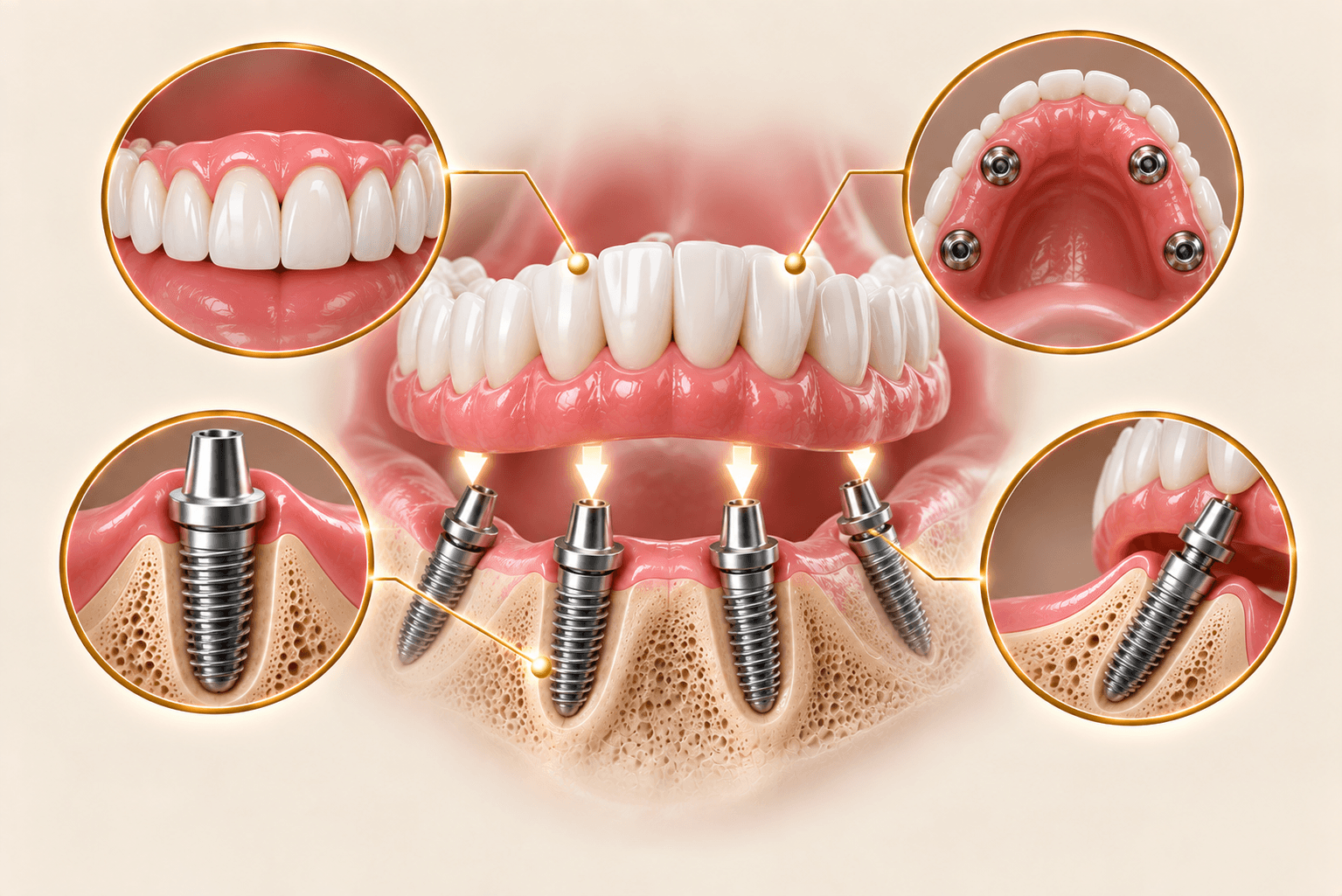
All-on-4 dental implants
All-on-4 dental implants replace a full arch of missing or failing teeth with a fixed bridge held by four implants. This guide covers who may be suitable, the treatment steps, recovery, risks and what affects the cost.
Verified clinics: 1
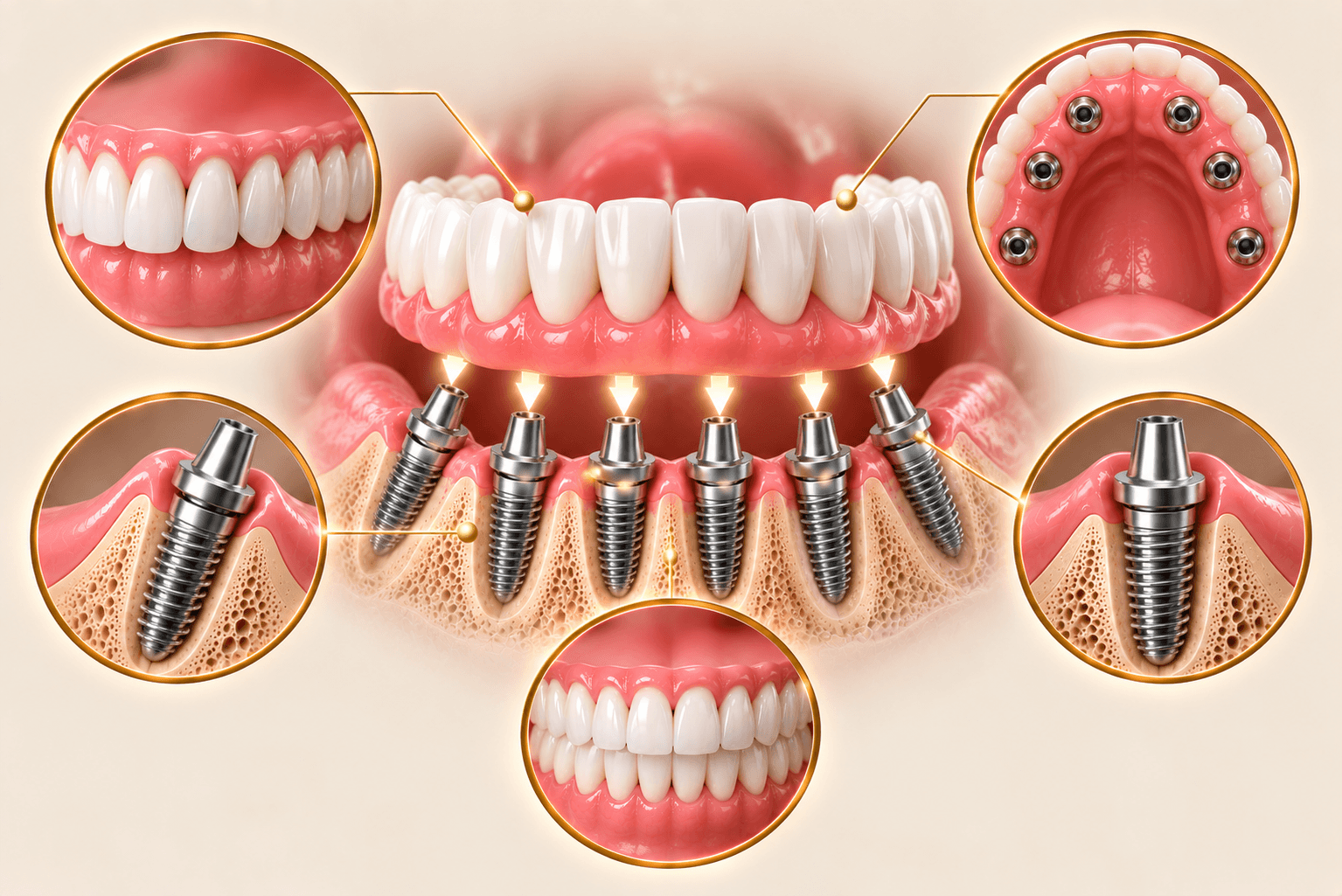
All-on-6 dental implants
All-on-6 dental implants replace a full arch of missing or failing teeth with a fixed bridge supported by six implants. The bridge is screwed in place, so it is not taken out at home like a removable denture.
Verified clinics: 1
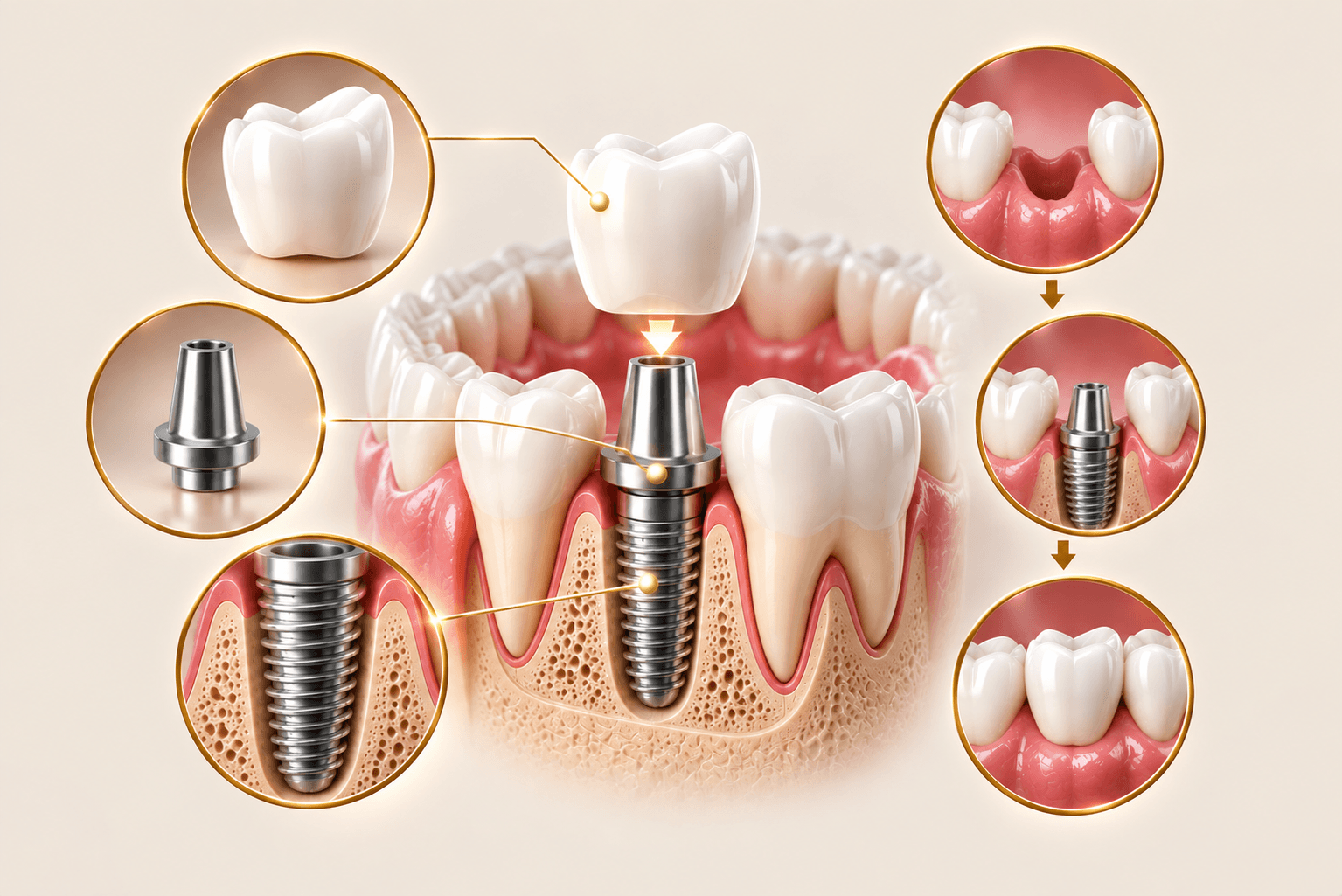
Dental implants
Dental implants replace missing teeth with a post placed in the jawbone that holds a crown, bridge or denture. The result is a fixed, natural-looking replacement.
Verified clinics: 1
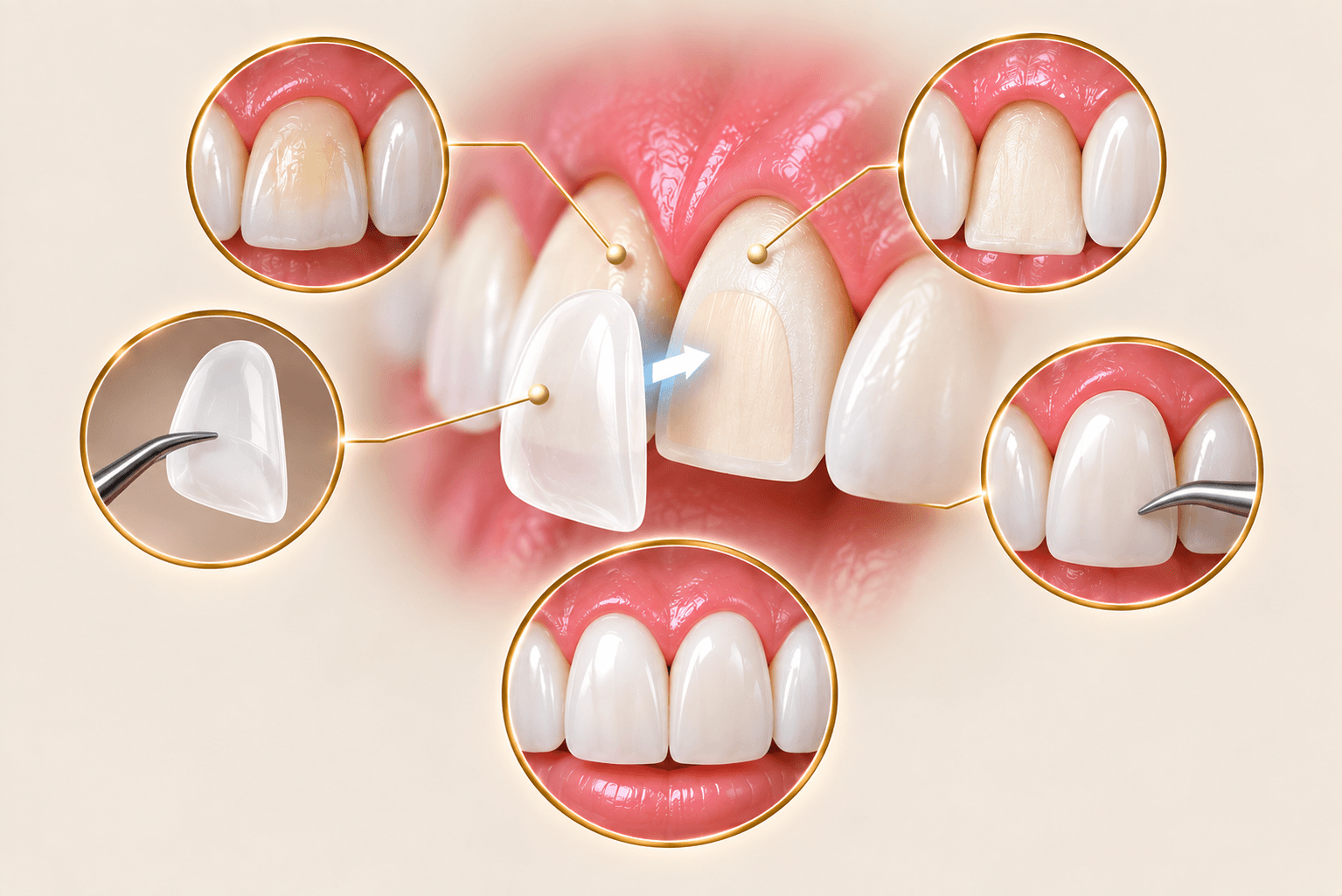
Veneers
Veneers are thin porcelain or composite shells bonded to the front of teeth to improve their colour, shape or size. Learn how veneers work, who they may suit and what to ask clinics abroad.
Verified clinics: 0
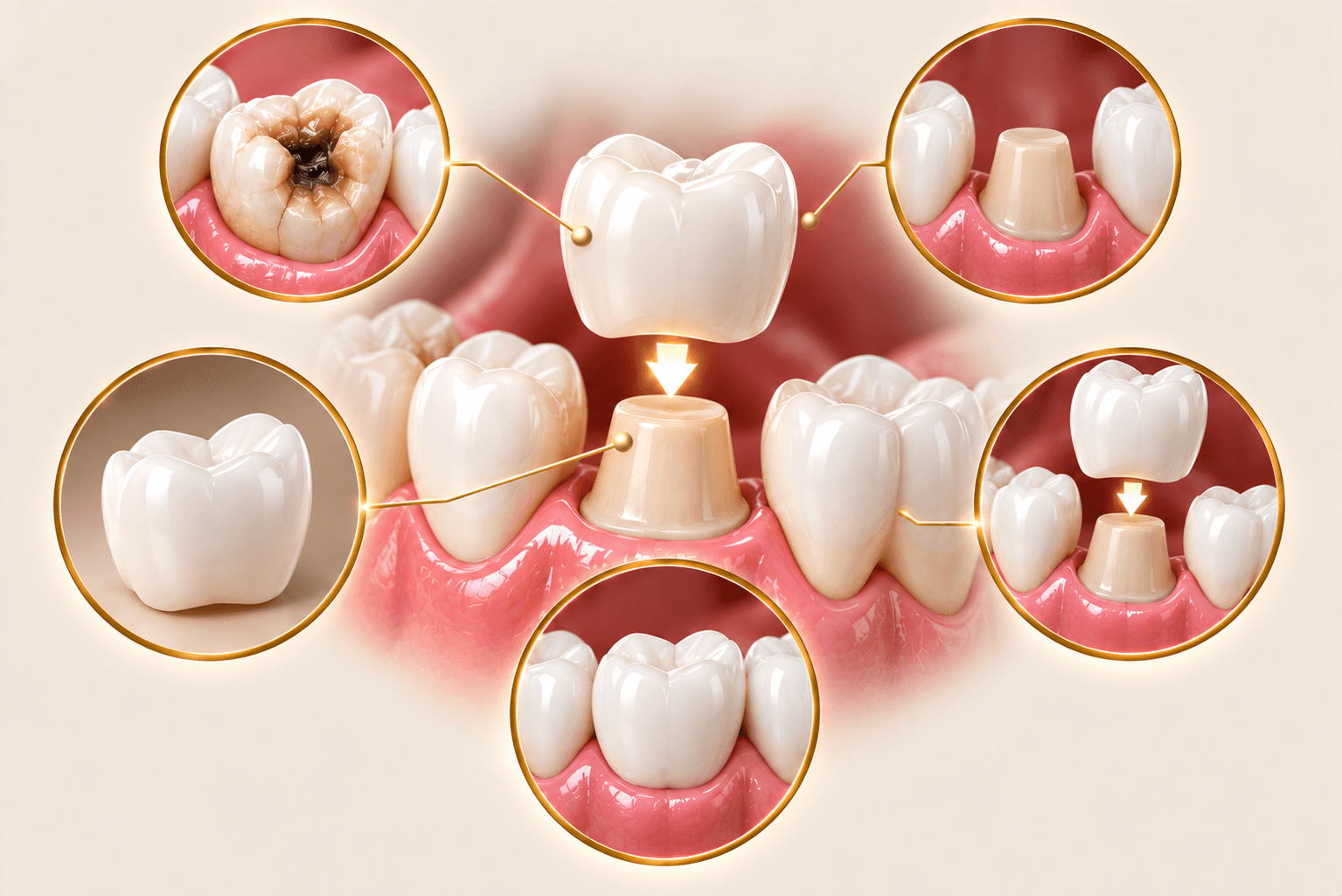
Zirconium Crowns
Zirconium crowns are metal-free, tooth-coloured caps that restore damaged, weakened or discoloured teeth or cover dental implants. Learn how they are made and fitted, what recovery involves and what to consider when planning treatment abroad.
Verified clinics: 1