
Veneers Abroad: How They Work and How to Choose a Clinic
Veneers are thin porcelain or composite shells bonded to the front of teeth to improve their colour, shape or size. Learn how veneers work, who they may suit and what to ask clinics abroad.
About Veneers
Veneers are thin, custom-made shells, usually of porcelain or composite resin, that are bonded to the front surface of teeth to change their colour, shape, size or length. They are a cosmetic dental treatment often chosen for stained, chipped, worn or slightly uneven teeth, and they are planned individually by a dentist.
Key facts
- What it treats: discoloured teeth, small chips, worn edges, gaps and minor irregularities in shape or alignment.
- How it is done: the tooth surface is usually prepared, impressions or digital scans are taken, and the finished veneers are bonded in place.
- Anaesthesia: local anaesthesia is commonly used for tooth preparation; some minimal-preparation veneers may need little or none.
- Hospital stay: none, as veneers are an outpatient treatment done in the dental chair over one or more visits.
- Recovery: most people return to normal routines quickly, with a short adjustment period while the bite and mouth get used to the new surfaces.
Who is suitable for veneers?
Veneers may suit adults with healthy teeth and gums who want to improve the appearance of their smile. Whether they are right for you depends on your oral health, bite and expectations, which the dentist assesses at an examination.
People who may be considered good candidates often have:
- Teeth with stains that do not respond well to whitening
- Small chips, cracks or worn edges
- Small gaps between teeth
- Teeth that look slightly uneven, short or misshapen
Veneers may be less suitable, or need other treatment first, if you have:
- Active tooth decay or gum disease
- Significant teeth grinding or clenching (bruxism)
- Too little healthy enamel
- Major bite problems or crowding that orthodontics might address better
A dentist may suggest alternatives such as whitening, bonding, crowns or orthodontic treatment if they are a better fit.
What types of veneers are there?
The two main types are porcelain (ceramic) veneers and composite resin veneers. Each has its own advantages, and the dentist will explain which material suits your teeth and goals.
- Porcelain veneers are made in a dental laboratory. They are generally known for a natural, translucent look, good stain resistance and durability. They usually need some removal of enamel.
- Composite veneers are often built up directly on the tooth in the clinic. They usually require less tooth preparation and can be easier to repair, but they may stain or wear more over time.
- Minimal-preparation or no-preparation veneers are very thin options that may need little enamel removal. They are not suitable for every case.
How is the veneer treatment done?
Treatment usually starts with a consultation and planning, followed by tooth preparation and finally bonding of the veneers. The number of visits depends on the material, the number of teeth and the clinic's workflow.
A typical process may include:
- Consultation and examination: the dentist checks your teeth, gums and bite, may take X-rays, and talks through your goals.
- Smile design: some clinics use photos, digital design or a trial "mock-up" so you can preview the planned shape.
- Tooth preparation: a thin layer of enamel is often removed so the veneer sits naturally. This step is usually not reversible.
- Impressions or scans: these are used to make porcelain veneers in a laboratory. Temporary veneers may be fitted in the meantime.
- Bonding: the veneers are checked for fit and colour, then fixed with a special dental adhesive and hardened with a curing light.
- Final check: the bite is adjusted and a follow-up may be arranged.
If you are travelling abroad, ask the clinic in advance how many visits are planned and how long you may need to stay.
What is recovery like after veneers?
Recovery after veneers is usually straightforward, and many people return to daily activities soon after treatment. It is common to need a short period to get used to how the teeth feel, and experiences differ from person to person.
After treatment you may notice:
- Temporary sensitivity to hot or cold
- Mild tenderness of the gums
- A different feeling when biting or speaking at first
To help look after veneers, dentists commonly recommend:
- Brushing twice a day and cleaning between teeth
- Avoiding biting very hard objects, such as ice, pens or fingernails
- Wearing a night guard if you grind your teeth
- Attending regular dental check-ups and professional cleanings
Your treating dentist will give you personal aftercare advice, and you should contact them if anything feels wrong.
What are the risks and side effects of veneers?
Veneers are a widely used treatment, but like any dental procedure they carry possible risks. Your dentist should explain these clearly before you agree to treatment.
Possible risks and side effects include:
- Irreversibility: removing enamel usually means the tooth will need some form of covering in the future.
- Sensitivity: teeth may be more sensitive, especially after preparation.
- Chipping or debonding: a veneer can crack, chip or come loose and may need repair or replacement.
- Colour mismatch: veneers do not change colour with whitening, so neighbouring teeth may look different over time.
- Gum irritation: poorly fitting edges can make cleaning harder and irritate the gums.
- Replacement over time: veneers do not last forever and may eventually need to be redone.
How likely these are depends on your teeth, habits and the quality of planning and care, so discuss your personal risks with the dentist.
What affects the cost of veneers?
The cost of veneers varies widely and depends on several factors. A clinic can only give a realistic quote after reviewing your case, ideally with photos, X-rays or an examination.
Factors that commonly affect the price include:
- The material chosen (porcelain or composite)
- The number of teeth being treated
- Any preparatory treatment, such as fillings, gum treatment or whitening
- Laboratory work and the technology used, such as digital smile design
- The experience of the dental team
- The country and city of the clinic
- What is included, such as temporaries, follow-up visits or aftercare
When comparing quotes, check exactly what is included so you can compare like with like.
How do I choose a clinic for veneers abroad?
Choosing a clinic abroad is about finding a qualified team, clear communication and a treatment plan that makes sense for you. Taking time to compare options helps you make a confident decision.
Useful questions to ask include:
- What qualifications and experience does the dentist have with veneers?
- Which materials and laboratory are used?
- Can I see a written treatment plan and an itemised quote?
- How many visits are needed and how long should I plan to stay?
- What happens if a veneer chips or comes loose after I return home?
- Is any guarantee or aftercare offered, and what are the conditions?
It can also help to plan how you will continue routine care with a dentist at home.
Find a clinic for veneers
On our marketplace you can compare verified clinics offering veneers, review their information and send one free request. Interested clinics will contact you to discuss your case. Your treating dentist will decide which treatment is suitable for you.
This page gives general information and is not medical advice. A doctor at the clinic will assess whether a treatment is right for you.
Clinics offering Veneers

No verified clinics offer this treatment yet.
Frequently asked questions
Do veneers hurt?
Most people feel little discomfort during treatment, because the dentist usually uses local anaesthesia while preparing the teeth. Afterwards some patients notice temporary sensitivity to hot or cold, or slightly sore gums, which often settles as the mouth adjusts. Everyone experiences this differently, so let your dentist know if you are worried about pain, as they can explain what to expect and how discomfort can be managed in your case.
How long do veneers last?
Veneers are designed to be long-lasting, but they are not permanent and may need replacing at some point. How long they last depends on the material, the quality of the work, your oral hygiene and habits such as grinding or biting hard objects. Porcelain is generally considered more durable than composite. Regular check-ups and good daily care can help, and your dentist can give you a more personal estimate.
Can veneers be removed later?
In most cases, getting veneers is considered a permanent decision because some enamel is usually removed to fit them. Once that enamel is gone, the tooth normally needs to stay covered by a veneer or another restoration. Minimal-preparation veneers may involve less enamel removal, but they are not suitable for everyone. Ask your dentist how much preparation your teeth would need before you decide.
Can I whiten my teeth after getting veneers?
Whitening products do not change the colour of porcelain or composite veneers, so only your natural teeth would become lighter. That is why dentists often suggest whitening first, if you want it, and then matching the veneer shade to your whitened teeth. If you whiten later, the veneers may look different from the surrounding teeth. Discuss your colour goals with the dentist during planning.
How many trips do I need for veneers abroad?
This depends on the type of veneers, the number of teeth, whether preparatory treatment is needed and how the clinic works. Composite veneers can sometimes be done in fewer visits, while porcelain veneers usually need time for laboratory work. Some patients make one longer trip, others two shorter ones. Ask clinics for a written plan showing the expected visits so you can arrange travel sensibly.
Related treatments
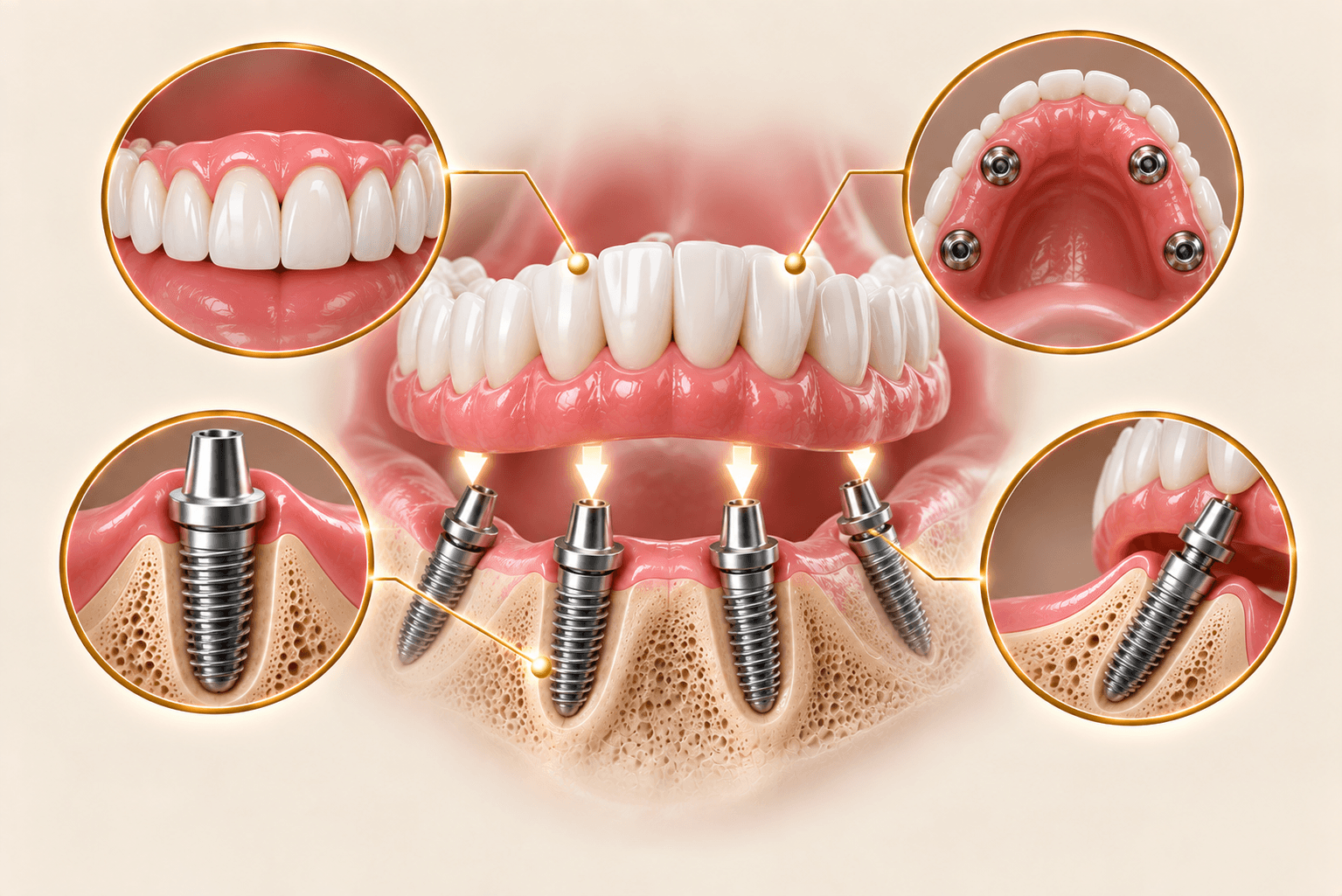
All-on-4 dental implants
All-on-4 dental implants replace a full arch of missing or failing teeth with a fixed bridge held by four implants. This guide covers who may be suitable, the treatment steps, recovery, risks and what affects the cost.
Verified clinics: 1
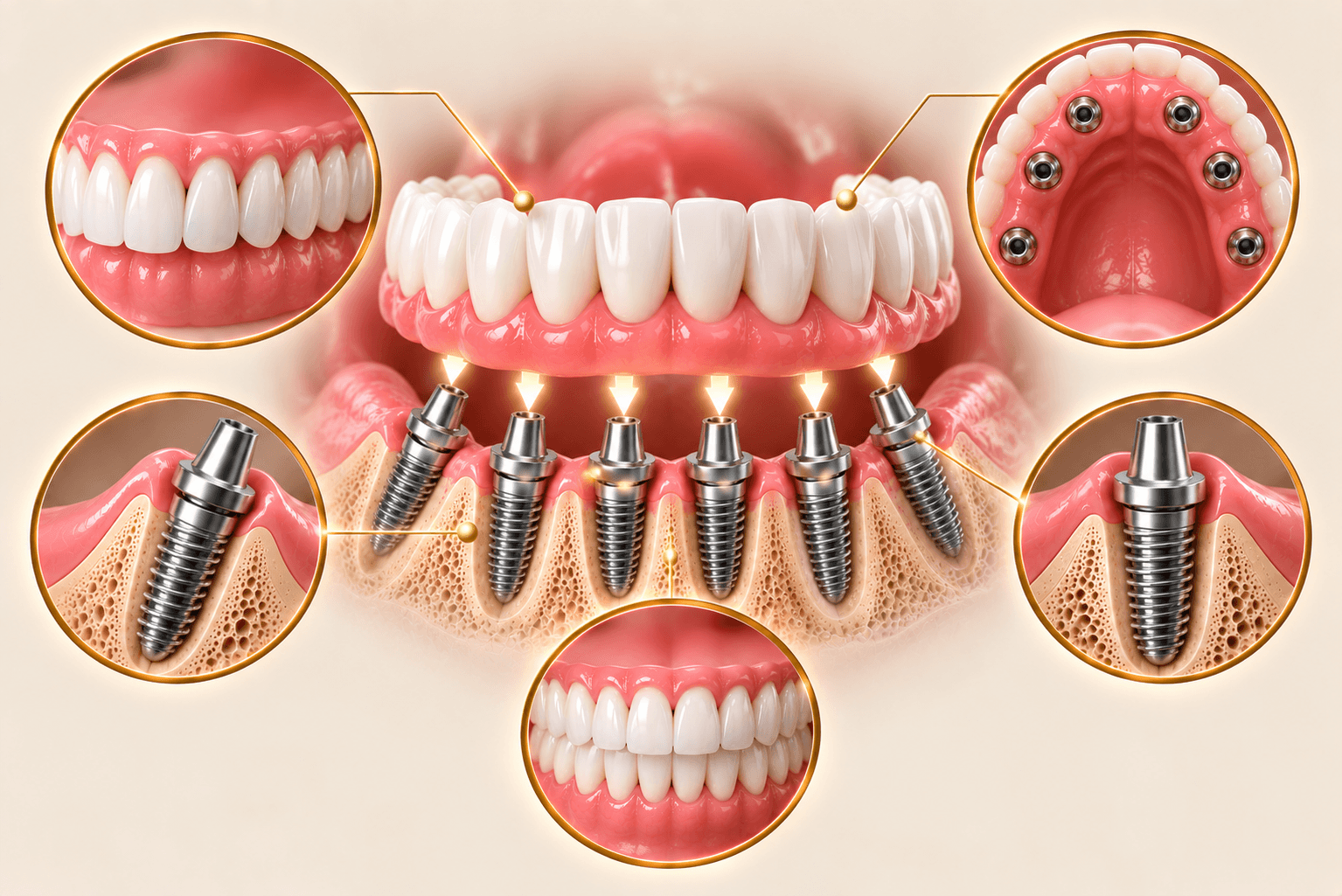
All-on-6 dental implants
All-on-6 dental implants replace a full arch of missing or failing teeth with a fixed bridge supported by six implants. The bridge is screwed in place, so it is not taken out at home like a removable denture.
Verified clinics: 1
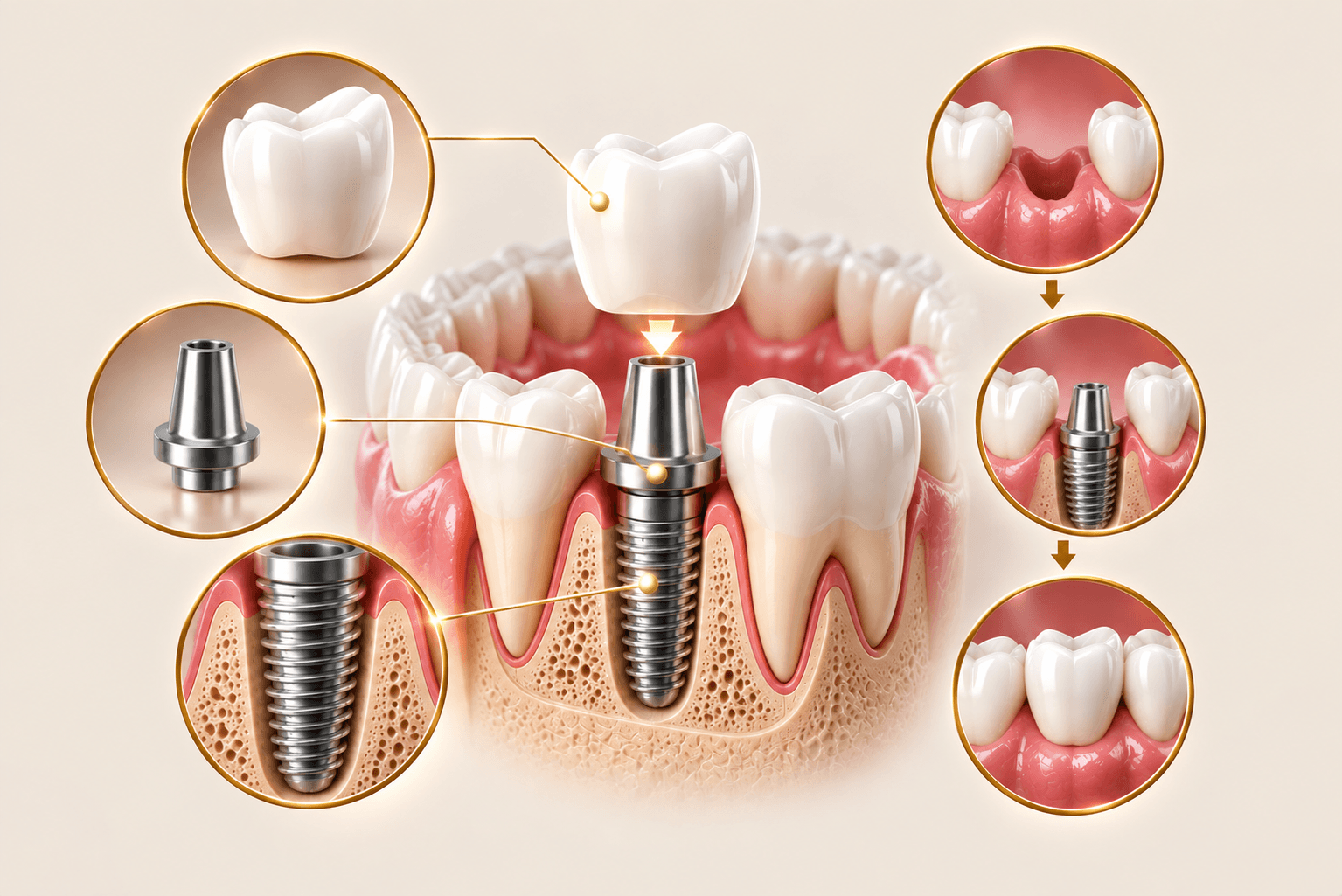
Dental implants
Dental implants replace missing teeth with a post placed in the jawbone that holds a crown, bridge or denture. The result is a fixed, natural-looking replacement.
Verified clinics: 1
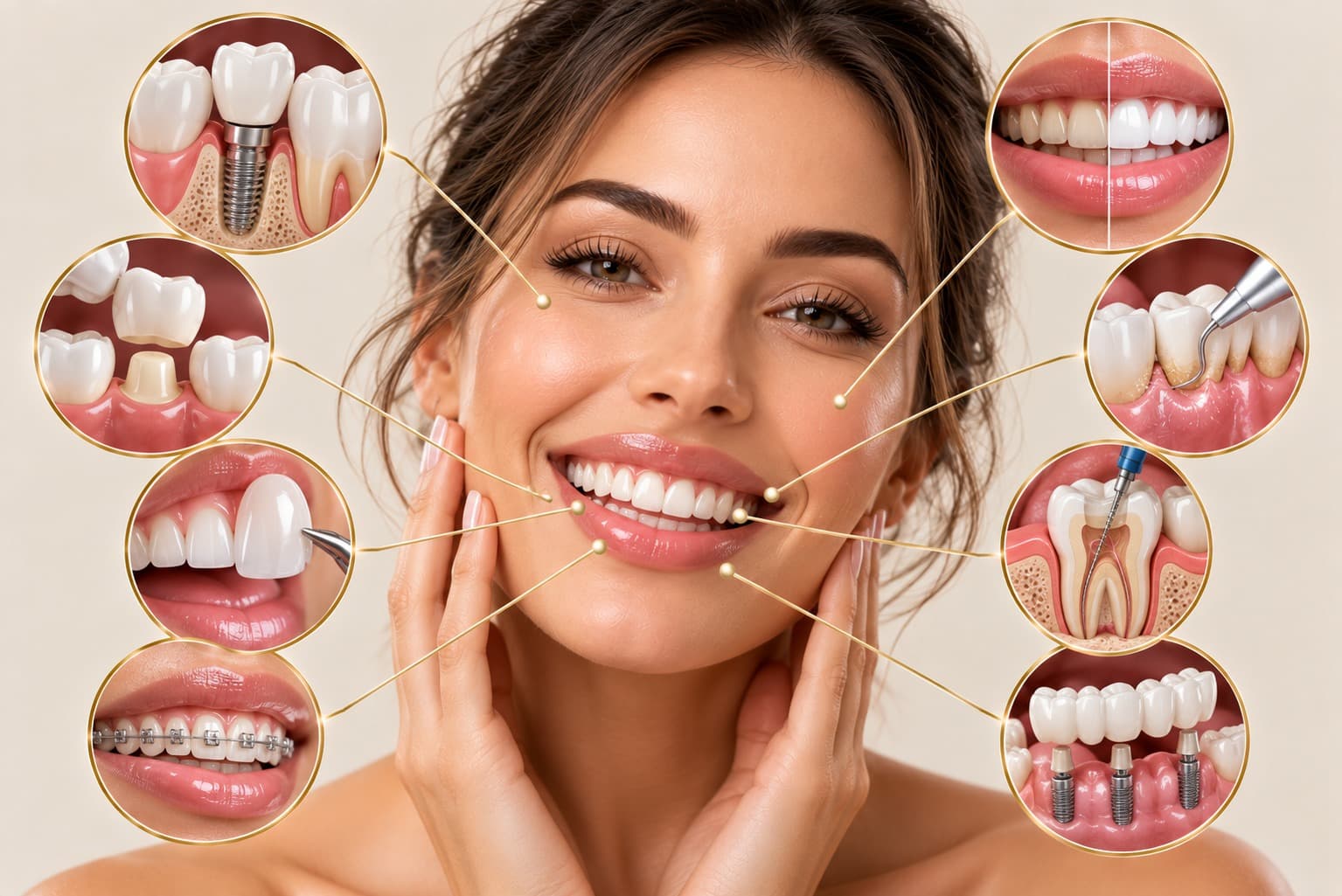
Full-mouth restoration
A full-mouth restoration rebuilds or replaces most or all teeth in both jaws, combining crowns, bridges, implants or veneers to restore chewing, comfort and appearance.
Verified clinics: 1
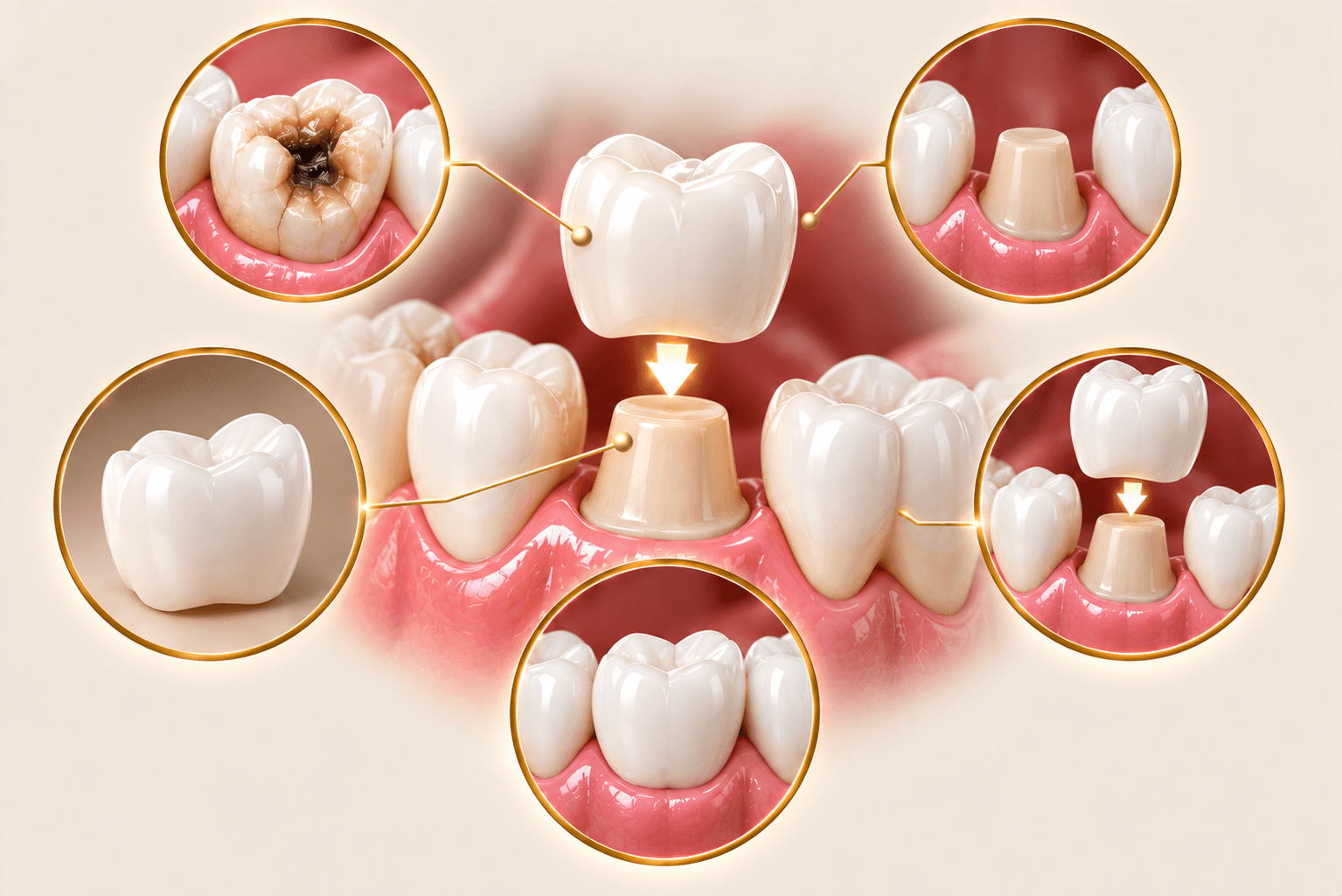
Zirconium Crowns
Zirconium crowns are metal-free, tooth-coloured caps that restore damaged, weakened or discoloured teeth or cover dental implants. Learn how they are made and fitted, what recovery involves and what to consider when planning treatment abroad.
Verified clinics: 1