Zirconium Crowns
Zirconium crowns are metal-free, tooth-coloured caps that restore damaged, weakened or discoloured teeth or cover dental implants. Learn how they are made and fitted, what recovery involves and what to consider when planning treatment abroad.
About Zirconium Crowns
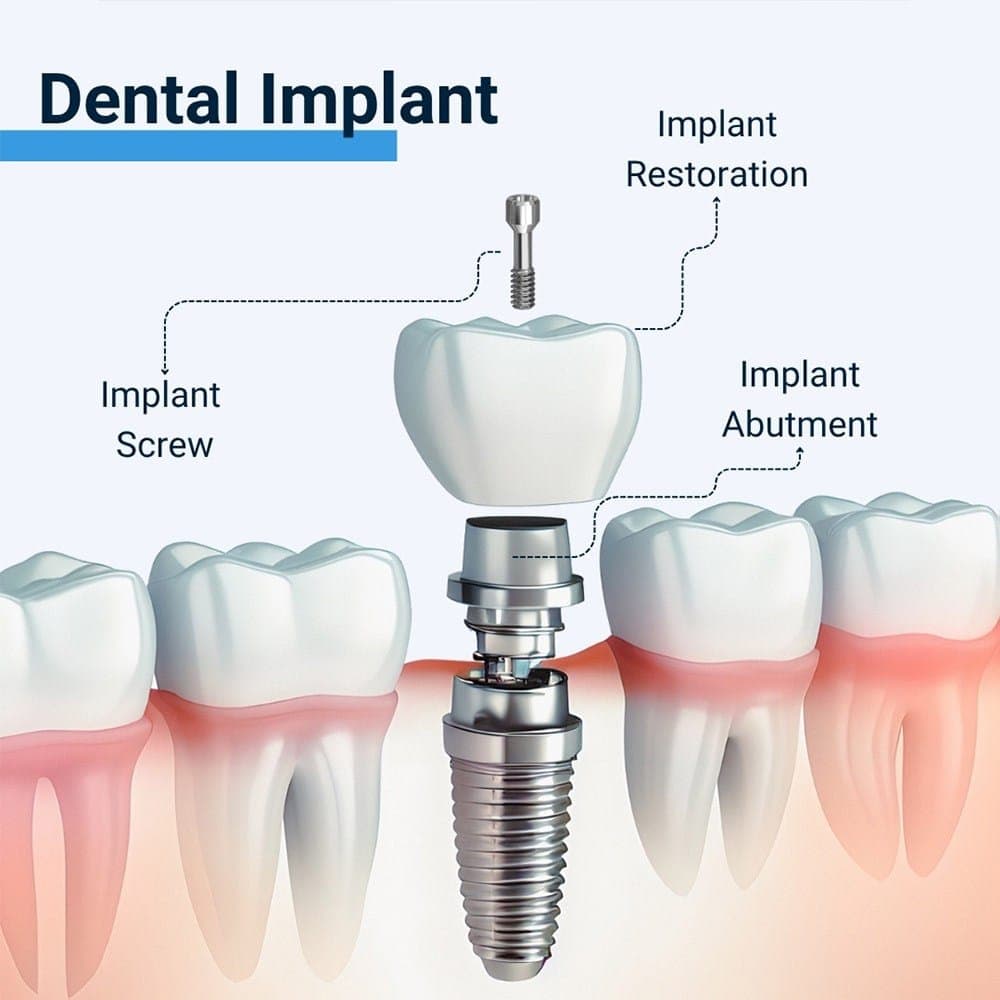
Zirconium crowns are tooth-shaped caps made from zirconia, a strong, tooth-coloured ceramic. They cover a damaged, weakened or discoloured tooth, or sit on top of a dental implant. They are designed to restore the tooth's shape, strength and appearance, and are often chosen because they contain no metal and can look natural next to your own teeth.
Key facts
- What it treats: teeth that are broken, heavily filled, worn, discoloured or weakened after root canal treatment, as well as missing teeth replaced with implants or bridges.
- How it is done: the tooth is shaped, an impression or digital scan is taken, and a custom crown is made and bonded in place.
- Anaesthesia: usually local anaesthesia to numb the area. Sedation may be offered to anxious patients at some clinics.
- Hospital stay: none. The treatment is done as an outpatient in a dental clinic, usually over more than one visit.
- Recovery: most people go back to normal activities soon afterwards. It is common to have some sensitivity and a short period of getting used to how the new crown feels when you bite.
Who is suitable for zirconium crowns?
Zirconium crowns may suit adults who need to protect or restore a tooth and want a metal-free, natural-looking option. Whether they are right for you depends on your teeth, gums and bite, and only an examining dentist can decide this.
A dentist may suggest a crown when:
- A tooth is cracked, broken or badly decayed
- A large filling no longer gives the tooth enough support
- A tooth has had root canal treatment and needs protection
- A tooth is badly discoloured or misshapen
- A dental implant or bridge needs a visible replacement tooth
Some situations need more care or extra treatment first. Examples are active gum disease, untreated decay, heavy teeth grinding (bruxism) or too little healthy tooth left. In these cases the dentist may treat the underlying problem first or suggest a different option.
How is the treatment done?
Getting zirconium crowns usually involves an examination, preparing the tooth, and then fitting the finished crown. The exact steps and number of visits depend on the clinic, the technology it uses and how many teeth are being treated.
A typical process looks like this:
- Consultation and planning: the dentist examines your teeth, often takes X-rays, and talks about your goals, the shade and any treatment you need first.
- Tooth preparation: after local anaesthesia, a thin layer of the tooth is removed so the crown can fit. Zirconia is strong, so in many cases less tooth needs to be removed than with some other crown types, although this varies.
- Impression or scan: a mould or digital scan of the prepared tooth is sent to a dental lab or used by an in-clinic milling machine.
- Temporary crown: you may wear a temporary crown while the permanent one is being made.
- Fitting: the dentist checks the fit, colour and bite, makes adjustments and bonds the crown in place.
Some clinics can make crowns on site with digital design and milling, which can reduce the number of visits. Others work with an outside lab. Ask your clinic which approach it uses.
What is recovery like after getting crowns?
Recovery after zirconium crowns is usually simple, and most people eat and speak normally soon afterwards. Mild sensitivity, sore gums or a bite that feels slightly different are common at first and tend to settle, although everyone's experience is different.
Things that may help in the first days:
- Chewing carefully until the numbness wears off
- Avoiding very hot, cold, hard or sticky foods for a while if your teeth feel sensitive
- Brushing gently and cleaning between your teeth as your dentist advises
- Contacting the clinic if your bite feels uneven, as a small adjustment is often all that is needed
Looking after your crowns over the long term means good daily oral hygiene, regular check-ups and, if you grind your teeth, possibly wearing a night guard. Your treating dentist will give you advice based on your own situation.
What are the risks and side effects?
Crowns are a common and well-established dental treatment, but like any procedure they carry some risks. Your dentist should explain these before you agree to treatment, and they differ from person to person.
Possible side effects and complications include:
- Tooth sensitivity to temperature for a period after treatment
- Gum irritation or inflammation around the edge of the crown
- A bite that feels uneven and needs adjusting
- The crown loosening or coming off, or, less commonly, chipping or cracking
- Wear on opposing natural teeth if the crown surface is not well polished
- The need for root canal treatment later if the nerve of the tooth becomes inflamed
- Decay forming at the edge of the crown if oral hygiene is poor
Zirconia allergies are considered rare. If you have known sensitivities to dental materials, mention them at your consultation.
What affects the cost of zirconium crowns?
The cost of zirconium crowns varies a lot between countries, clinics and individual treatment plans. The only reliable way to know what your treatment will cost is to get a personal quote after the clinic has reviewed your situation.
Factors that often affect the price include:
- The number of crowns you need
- The type of zirconia used, for example monolithic (solid) or layered with porcelain for more translucency
- Whether the crowns are made in a clinic lab, an outside lab or with digital milling
- Treatment needed first, such as fillings, root canals, gum treatment or implants
- X-rays, scans, temporary crowns and follow-up visits
- The experience of the dentist and the location of the clinic
When comparing quotes, check what is included, such as consultations, temporary crowns, adjustments and aftercare, so you are comparing like with like.
How do I choose a clinic abroad?
Choose a clinic for how well it communicates, how qualified it is and how clear its treatment plan is, not only for its price. A good clinic will explain your options openly and answer your questions before you travel.
Useful questions to ask:
- Who will carry out my treatment, and what are their qualifications?
- Which zirconia material and lab do you use?
- How many visits will I need, and how long should I plan to stay?
- What is included in the quote, and what could cost extra?
- What aftercare do you offer, and what happens if a crown needs adjusting after I return home?
- Can you share my records and X-rays so my local dentist can follow up?
Allow enough time in your travel plans for fitting and adjustments, and tell your local dentist about your plans so ongoing care is easier.
Compare clinics and get advice
If you are considering zirconium crowns, you can compare verified dental clinics on our marketplace and send one free request. The clinics will then contact you with more information. Your treating dentist will examine you and decide which treatment is suitable for you.
This page gives general information and is not medical advice. A doctor at the clinic will assess whether a treatment is right for you.
Clinics offering Zirconium Crowns
 Hayaat Clinic Verified
Istanbul, Türkiye
- Zirconium Crowns
- Dental implants
- Rhinoplasty
- hair transplants
English, Arabic, Turkish, French
- Hotel
- Airport transfer
- Interpreter
- Aftercare
from €125
View Profile
Frequently asked questions
Do zirconium crowns look like natural teeth?
Zirconia is tooth-coloured and has no metal inside, so these crowns avoid the grey line at the gum that some older crowns show. How natural they look depends on the type of zirconia, the shade chosen and the skill of the dentist and lab. Layered zirconia often looks more translucent, while solid zirconia is usually stronger. Talk about your expectations and look at shade options with your dentist before the crown is made.
How long do zirconium crowns last?
Zirconia is considered a durable material, but no dentist can promise how long a crown will last. Its lifespan depends on your oral hygiene, your bite, whether you grind your teeth, the health of the tooth underneath and how often you have check-ups. Brushing well, cleaning between your teeth, and seeing a dentist regularly all help protect both the crown and the tooth it covers.
Is getting a zirconium crown painful?
The tooth is usually numbed with local anaesthesia, so most patients feel pressure rather than pain during preparation. Once the anaesthetic wears off, the tooth and gum may feel tender or sensitive for a while. This usually settles over time, but everyone is different. If discomfort is strong, gets worse or does not go away, contact your clinic so they can check the crown and your bite.
What is the difference between zirconium and porcelain crowns?
Zirconium crowns are made from zirconia, a very strong ceramic, while porcelain crowns may be all-ceramic or porcelain fused to a metal base. Zirconia is often chosen where strength matters, for example on back teeth, and for a metal-free result. Some porcelain options can look very translucent at the front of the mouth. Your dentist can explain which material suits each tooth in your case.
How many trips abroad do I need for zirconium crowns?
This depends on your treatment plan. Crowns on healthy, already treated teeth can often be done in one stay with a few visits spread over several days. If you first need implants, root canals or gum treatment, a second trip may be needed. Ask the clinic for a clear schedule before booking your travel, and leave extra time in case adjustments are needed.