
Gastric Balloon Abroad: How to Compare Clinics and Itemised Quotes
Thinking about a gastric balloon abroad? Learn what to look for in a clinic, how to read an itemised quote line by line, and which questions to ask before you decide.
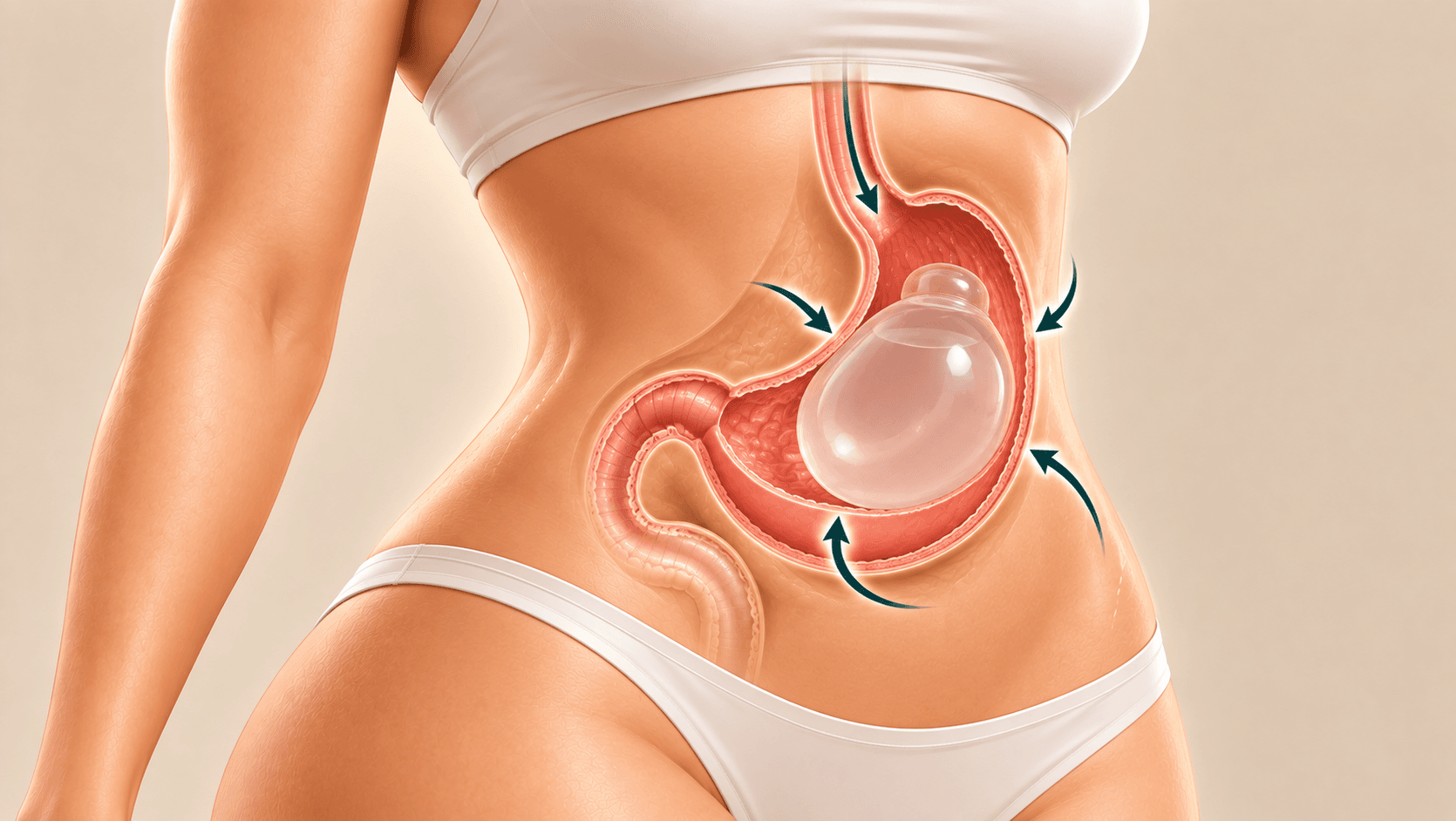
Getting a gastric balloon abroad can be a good option for some people, but comparing clinics in another country is not always easy. Packages look different, quotes list different things, and it can be hard to tell what is actually included. This guide explains how the treatment usually works, what a clear quote should contain and how to compare clinics calmly and fairly, so you can have better conversations with the doctors you contact.
A quick reminder: what a gastric balloon is
A gastric balloon is a soft device placed in the stomach and filled once it is inside. It helps you feel full sooner and eat smaller portions while you work on new eating habits. It is usually placed through the mouth with an endoscope, so no cuts are needed. Some types are swallowed as a capsule instead.
The balloon is temporary. It is removed after the period your doctor recommends, and some types are designed to pass naturally. It is not permanent surgery, and it works best as part of a supervised plan that also covers diet, movement and regular follow-up.
Whether it suits you depends on things like your BMI, weight-related conditions, previous stomach surgery, reflux or ulcers, the medicines you take and pregnancy plans. Only a doctor who reviews your health can decide this.
Why comparing a gastric balloon abroad takes more than a price check
Two quotes with similar totals can cover very different things. One clinic may include tests, a dietitian and removal, while another lists only the placement itself. Comparing headline prices alone can easily give you the wrong picture.
The things that most often change the cost and the value of a package are:
- the balloon type and how long it is designed to stay in place
- the type of anaesthesia, and whether you stay overnight
- tests before the procedure and the first consultation
- dietitian support and follow-up, both on site and remote
- whether removal is included
- travel, accommodation and any extra nights you may need
Because the balloon stays in place for a period and then usually needs a second endoscopy, follow-up and removal matter a lot when you are being treated far from home.
How to read an itemised quote line by line
Ask every clinic for an itemised quote. A clear quote helps you see what you are paying for and spot gaps early. Go through it with these questions in mind.
Before the procedure
- Is the first consultation included, and is it in person or remote?
- Which tests are included, and what happens if more are needed?
- Is there a meeting with a dietitian before placement?
The procedure itself
- Which balloon type is named, and why was it chosen for you?
- What kind of anaesthesia or sedation is used?
- Is it a day procedure, or does the price include an overnight stay?
- Are medicines for nausea and stomach protection included?
After placement
- How long does nutrition support last, and how is it given (calls, messages, visits)?
- Who can you contact if you feel unwell after returning home?
- Is removal included, and where does it take place?
- If removal needs another trip, are travel and accommodation covered or extra?
Practical extras
- Airport transfers, hotel nights and an interpreter, if offered
- What happens to the cost if you need to stay longer than planned
If something is not listed, ask about it in writing. Leaving something out does not always mean it costs extra, but you should know for sure.
Choosing a clinic: questions that matter more than price
An open, experienced team is usually more important than a lower total. A good clinic should be happy to explain its process and aftercare clearly.
Useful questions to ask:
- Who will do the procedure, and what training do they have in endoscopic weight-loss treatment?
- Which balloon type do you suggest for me, and what are the alternatives?
- What nutrition and lifestyle support do you offer while the balloon is in place, and after it is removed?
- How do you handle side effects such as ongoing nausea or not being able to keep fluids down?
- How will you work with my doctor at home?
- What written information will I receive about my procedure and the balloon used?
Pay attention to how clearly and patiently the clinic answers. Vague replies, pressure to book quickly or promises about how much weight you will lose are reasons to be careful.
Planning travel and recovery around your gastric balloon abroad
The first days after placement are often the hardest. Nausea, vomiting, cramps and a strong feeling of fullness are common while your stomach adjusts. Most people find these ease slowly, but everyone is different.
When planning your trip, think about:
- Time on site: ask your treating doctor how long they want you to stay before flying home. This depends on how you feel and on the clinic's protocol.
- Diet stages: you usually start with clear fluids, then move step by step to soft and puréed foods, then small portions of normal food. Plan to have suitable food and drinks available.
- Support at home: tell your family doctor about your plans and keep your clinic's written instructions with you.
- Removal: know in advance when and where removal will happen, unless your balloon type is designed to pass naturally.
Recovery, risks and suitability differ from person to person, so discuss your own plan with the treating doctor.
Risks to discuss before you travel
A gastric balloon is generally less invasive than weight loss surgery, but it is not risk-free. Possible problems include nausea and reflux, dehydration, stomach ulcers or irritation, and the balloon deflating or moving. In rare cases there can be a blockage, an overfilled balloon, inflammation of the pancreas or a hole in the stomach wall. Sedation and anaesthesia also carry their own risks.
Ask the clinic which risks apply to you, and how they will support you if a problem appears once you are home.
When to talk to a doctor
Talk to a doctor before booking if you have had stomach or bowel surgery, a hernia, ulcers or reflux, if you take blood thinners or anti-inflammatory drugs, or if you are pregnant or planning a pregnancy.
After placement, seek medical help quickly if you have:
- severe or ongoing stomach pain
- vomiting that stops you keeping fluids down
- a sudden change in urine colour (some balloons contain a coloured dye)
- any other symptom that worries you
Compare verified clinics in one place
Taking time to compare clinics, quotes and aftercare plans helps you choose with confidence. On our site you can read more about the treatment, look at verified clinics side by side and send one free request; the clinics then contact you with their information and questions. Start with our gastric balloon treatment page and compare your options at your own pace.