
Gastric balloon suitability: questions to ask before you decide
Thinking about a gastric balloon? Here are the questions to ask yourself and your doctor about health, expectations, recovery and aftercare, so you can decide calmly and well informed.
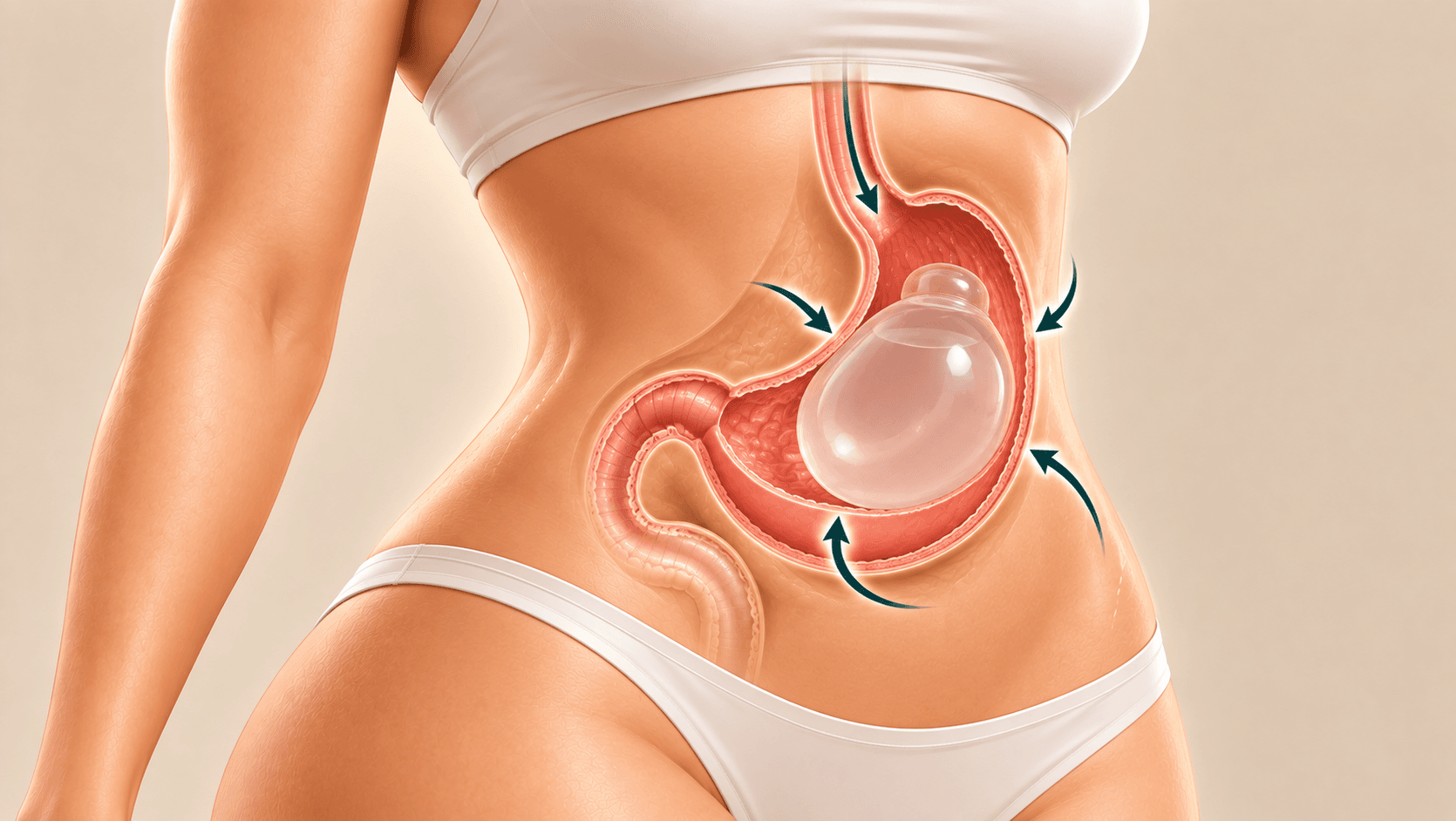
If you have tried to lose weight through diet and exercise and still feel stuck, you may have come across the gastric balloon. It is a soft device placed in the stomach, usually by endoscopy without any cuts, to help you feel full sooner while you change how you eat. It is temporary and is not a form of permanent surgery. Gastric balloon suitability is different for everyone, though. Your health, your history and your goals all matter. This guide covers the questions worth asking, both yourself and your doctor, before you decide.
What a gastric balloon can and cannot do
A gastric balloon is filled once it is inside the stomach. It takes up space, so you tend to feel full with smaller portions. Most often it is placed through the mouth with an endoscope. Some types are swallowed as a capsule instead. It stays for a limited time and is then removed, or with some types, passes naturally.
It helps to be clear about what the balloon is:
- A tool, not a cure. It supports new eating habits but does not replace them.
- Temporary. The balloon comes out after the period your doctor recommends, so the habits you build while it is in place matter most.
- Part of a plan. It works best alongside nutrition advice, regular follow-up and lasting changes to how you eat and move.
Before going further, ask yourself: am I ready to change my eating habits for the long term, not just for the months the balloon is in place?
Gastric balloon suitability: what doctors usually look at
A gastric balloon is usually considered for adults with excess weight who have not lost enough through diet and exercise alone. It may also suit people who do not want weight loss surgery, or who are not suitable for it. The decision belongs to your doctor, who looks at your health as a whole.
Things doctors often consider include:
- your body mass index (BMI) and any weight-related conditions
- your past attempts to lose weight and how motivated you are to change your habits
- previous stomach or bowel surgery, hernias, ulcers or reflux
- medicines you take, including blood thinners or anti-inflammatory drugs
- pregnancy, or plans to become pregnant
Be open and honest during your assessment. Details that seem small, such as occasional heartburn or a medicine you take now and then, can affect whether a balloon is a safe choice for you.
Questions to ask yourself before you decide
Gastric balloon suitability is not only medical. Your daily life, support and expectations play a part too. These questions can help you reflect:
- Why now? What has worked or not worked for you before, and what do you hope will be different this time?
- Can I handle the first days? Nausea, vomiting and cramps are common early on. Do you have time to rest and someone to support you?
- Am I ready for a gradual diet? Food moves step by step from liquids to soft foods to small normal portions.
- Can I commit to follow-up? Check-ins about nutrition, exercise and eating habits continue while the balloon is in place and after removal.
- Are my expectations realistic? Results differ from person to person, and no outcome can be promised.
If you find yourself hesitating on several of these, that is useful information. Talk it through with your doctor or a dietitian before booking anything.
Questions to ask the clinic about the procedure
A good clinic will welcome your questions and answer them clearly. Consider asking:
- Who will do the procedure, and what training and experience do they have in endoscopic weight-loss treatment?
- Which balloon type do you recommend for me, and why?
- Will I have sedation, a light general anaesthetic, or neither?
- Is this a day procedure, or will I stay overnight?
- How long will the balloon stay in, and how will it be removed?
- What nutrition support do you offer, both on site and remotely?
- What is included in the price, and is removal covered?
- How will you support me once I am back home?
Ask for an itemised quote. The price usually depends on the balloon type, the anaesthesia, any overnight stay, tests, dietitian support, follow-up and whether removal is included. A clear breakdown makes it easier to compare clinics fairly.
Understanding recovery, risks and side effects
A gastric balloon is generally less invasive than weight loss surgery, but it is not risk-free. The first days are often the hardest while your stomach adjusts. Many people find symptoms slowly ease, but everyone is different.
Recovery usually moves through three phases:
- Early phase: clear fluids, plus any medicines your doctor prescribes for nausea and to protect your stomach.
- Transition phase: a slow move to soft and puréed foods, then small portions of normal food.
- Long-term phase: ongoing support with nutrition, exercise and eating habits.
Possible side effects and risks include nausea, vomiting, cramps and reflux, dehydration if you cannot keep fluids down, stomach ulcers or irritation, and the balloon deflating or moving. In rare cases, more serious problems can happen, such as a blockage, an overfilled balloon, inflammation of the pancreas or a hole in the stomach wall. There are also risks linked to sedation or anaesthesia. Ask your doctor which risks apply to you personally.
When to talk to a doctor
Speak to a doctor before you decide if you have any ongoing stomach problems, a history of stomach or bowel surgery, or take regular medication. The same applies if you are pregnant or planning a pregnancy.
After placement, seek medical help quickly if you:
- have severe or ongoing pain
- cannot keep fluids down
- notice a sudden change in your urine colour (some balloons contain a coloured dye)
- feel unwell in any other way that worries you
Ask your treating doctor when it is safe to travel home, return to work and start exercising again. The answer depends on how you feel and on the clinic's own protocol.
Taking the next step
Deciding whether a gastric balloon is right for you takes time, honest reflection and a proper medical assessment. There is no need to rush. If you would like to explore your options, you can learn more about gastric balloon treatment and compare verified clinics in one place. Send one free request, and clinics will contact you so you can ask your questions and decide at your own pace.