
Gastric Band Adjustment: What Happens at a Fill and How Often You May Need One
Find out what happens during a gastric band adjustment, how a fill may feel, why the timing differs from person to person, and how to plan follow-up care if you have surgery abroad.
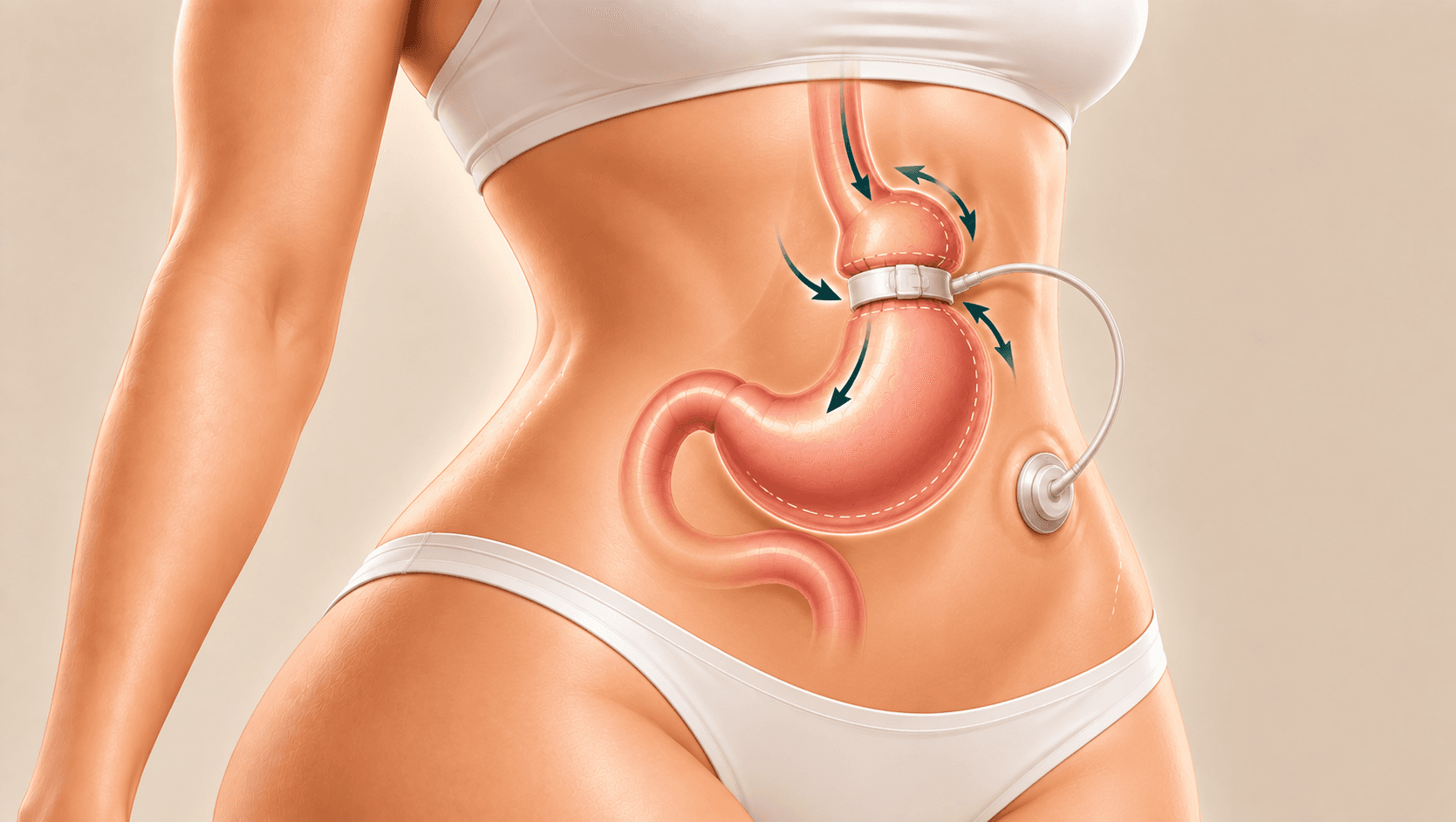
If you have a gastric band, or you are thinking about getting one, you will soon hear about "fills". A gastric band adjustment is the routine appointment where your doctor makes the band tighter or looser so it suits your body. Adjustments are a normal part of life with a band, and knowing what to expect can make them feel much less daunting.
This guide covers what a band adjustment is, what usually happens at the appointment, how often people tend to need one and when to contact your doctor. Everyone is different, so your own care team will always give you the plan that fits you.
What is a gastric band adjustment?
A gastric band is an adjustable silicone ring placed around the upper part of the stomach during keyhole surgery. It makes a small pouch, so you feel full sooner and eat smaller portions. The band is connected by thin tubing to a small port under the skin of your abdomen.
The inside of the band works a bit like a balloon. When saline (sterile salt water) is added through the port, the band gets tighter and the opening from the pouch to the rest of the stomach becomes narrower. When saline is taken out, the band loosens. This is the adjustment, and it is why the gastric band is called an adjustable, and if needed reversible, procedure.
After surgery the band is often left empty or only slightly filled. Adjustments usually start once the stomach has had time to heal, and then go on gradually over the following months.
Why band adjustments matter
The aim of adjusting the band is not to make it as tight as possible. Doctors look for a level of restriction where you:
- Feel satisfied after a small, well-chewed meal
- Stay full for a reasonable time between meals
- Can eat a range of healthy foods without regular vomiting or pain
- Do not feel constantly hungry or able to eat large portions
Some clinics call this the "green zone" or the "sweet spot". If the band is too loose, it may not help much with portion control. If it is too tight, eating can become uncomfortable and you may end up choosing soft, high-calorie foods that slip through easily. Finding the right balance usually takes several visits, because your body and weight change over time.
What happens at a gastric band fill
Every clinic has its own routine, but a typical appointment often looks something like this:
- Check-in and conversation: your doctor or nurse asks about your hunger, portion sizes, any vomiting, heartburn or trouble swallowing, and how your weight has changed
- Finding the port: you lie down and the clinician feels for the port under your skin. Sometimes imaging such as X-ray or ultrasound is used to locate it
- Cleaning the skin: the area is cleaned, and some clinics use a local anaesthetic to numb it
- The adjustment: a special fine needle goes through the skin into the port, and a small amount of saline is added or removed
- Water test: you may be asked to sip some water to check that it goes down comfortably
- Advice for the next days: you get instructions about what to eat and drink after the fill
Some clinics do adjustments under X-ray guidance (fluoroscopy), where you swallow a contrast liquid so the doctor can see how it passes through the band. Others do them in the consulting room without imaging. Ask your clinic which method they use and why.
Many people describe a fill as a short pinch or some pressure rather than real pain, but everyone feels it differently. If you are nervous about needles, tell your care team beforehand.
Eating after an adjustment
Straight after a fill the band area can feel a little tighter or slightly swollen. For this reason, many clinics advise a short period of liquids and then soft foods before you go back to normal textures. How long each stage lasts depends on your clinic's guidance.
Helpful habits after a gastric band adjustment often include:
- Eating slowly and stopping as soon as you feel satisfied
- Taking small bites and chewing very well
- Not drinking with meals if your team advises against it
- Watching for signs that the band may be too tight, such as food getting stuck or regurgitation
If you are unsure whether the new level feels right, contact your clinic instead of waiting for your next planned visit.
How often you may need a gastric band adjustment
There is no fixed timetable that suits everyone. How often you need adjustments depends on how you are healing, your weight loss, your hunger levels and how you cope with food. Your doctor will decide this with you.
In general:
- The first months after surgery usually involve more frequent visits, as the band is filled in small steps towards the right level
- Later on, once you have found a comfortable level of restriction, adjustments often become less frequent
- Over the long term, occasional adjustments may still be needed, for example after big weight changes, illness, pregnancy, or if you have ongoing discomfort
Sometimes a band needs loosening rather than tightening, for example before travel by air, during illness with vomiting, or if swallowing becomes hard. Regular follow-up is part of having a band, even when no adjustment is needed. These visits are also a good time for dietitian support, which has a big influence on long-term results.
Planning adjustments if you have surgery abroad
Many patients have their gastric band placed in another country. If this is your plan, think about adjustments before you book:
- Ask whether the first adjustments are included in the price and where they take place
- Find out if the clinic works with doctors in your home country, or offers remote check-ups
- Check that a local clinician will be able to adjust your band type
- Ask for written details of your band model and your surgery notes to take home
- Plan for occasional return trips if you choose to have adjustments at the original clinic
Having a clear aftercare plan helps make sure your band can be looked after properly over time.
When to talk to a doctor
Some discomfort can happen after a fill, but certain symptoms need prompt medical attention. Contact your doctor or seek urgent care if you have:
- Persistent vomiting, or not being able to keep down liquids or saliva
- Difficulty swallowing that does not get better
- Severe or worsening abdominal or chest pain
- Redness, swelling, warmth or discharge around the port, or a fever
- New or worsening heartburn or reflux, especially at night
These can be signs that the band is too tight, has moved, or that there is a problem with the port or tubing. Your doctor can check and, if needed, remove saline to loosen the band. Risks, recovery and the right adjustment plan differ from person to person, so always talk to your treating doctor about your own situation.
Compare verified clinics for your gastric band
If you are researching a gastric band, it helps to compare how clinics handle follow-up, adjustments and dietitian support, as well as the surgery itself. On our site you can look at verified clinics side by side and send one free request, and the clinics then contact you with their information and answers. To learn more about the procedure and start comparing, visit our gastric band treatment page.