
Gastric Band Side Effects: From Vomiting to Band Slippage
From nausea after eating too fast to rarer problems like band slippage or erosion, here is a clear guide to gastric band side effects and the warning signs that mean it is time to contact your doctor.
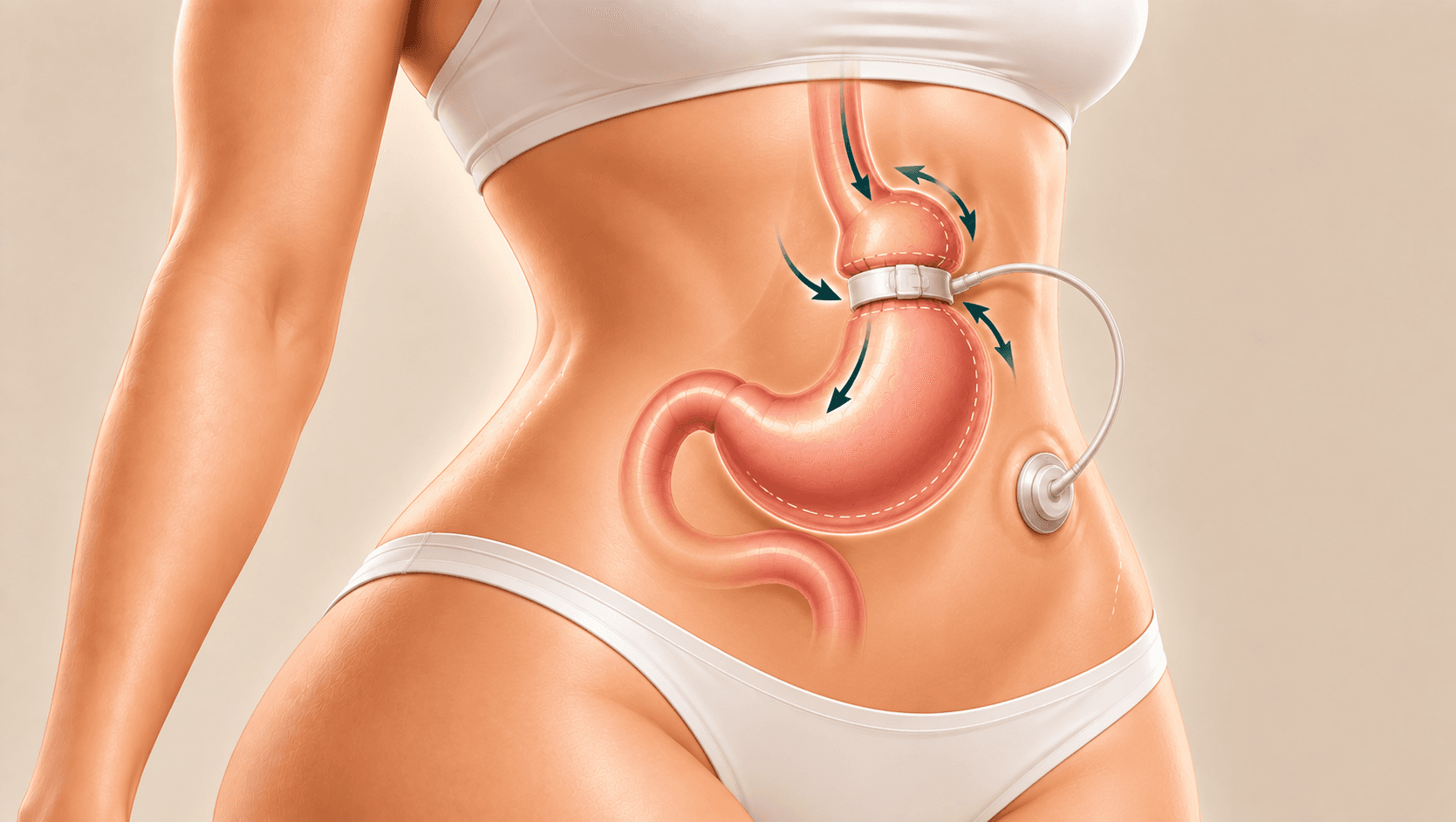
If you are thinking about a gastric band, or already have one, it helps to know which changes are a normal part of life with a band and which ones need medical attention. This guide covers the most common gastric band side effects, from mild ones like nausea to less common complications such as band slippage, and explains when to get in touch with your doctor.
A gastric band is an adjustable silicone ring placed around the upper part of the stomach during keyhole surgery. It creates a small pouch so you feel full sooner and eat smaller portions. The band can be tightened or loosened through a port under the skin, and the stomach is not cut or stapled. Because the band works by restricting how much food passes through, many side effects are linked to how you eat and how tight the band is.
Everyone's body reacts differently. Your own risks, recovery and suitability should always be discussed with your treating doctor.
Why gastric band side effects happen
Most problems after a gastric band come from one of three sources:
- The surgery itself, which carries the general risks of any operation under general anaesthesia
- The way the band restricts food, which means eating habits matter a great deal
- The band, tubing and port, which are devices that can occasionally move, leak or wear over time
Knowing which group a symptom falls into can help you and your care team work out what is going on. Some issues can be solved with small changes to how you eat or a band adjustment. Others may need further tests or surgery.
Common gastric band side effects in daily life
Many people notice some of the following, especially in the first months or after an adjustment:
- Nausea and vomiting, often after eating too quickly, taking large bites, not chewing well or eating past the point of feeling full
- Food getting stuck, a feeling of pressure or discomfort in the chest when a bite cannot pass easily through the band
- Heartburn or reflux, particularly if the band is tight or you eat close to bedtime
- Soreness around the incisions or the port in the early recovery period
- Changes in bowel habits, such as constipation, often linked to smaller meals and less fibre or fluid
Occasional vomiting after eating the wrong way can happen, but it should not become a regular pattern. Frequent vomiting is not just unpleasant. Over time it can put strain on the stomach pouch and the band, and it may be linked to more serious problems such as slippage or widening of the food pipe.
Simple habits often help: eat slowly, chew each bite thoroughly, stop at the first sign of fullness, and avoid drinking with meals if your care team advises this. A dietitian can help you find foods that suit you.
Serious complications: band slippage, erosion and port problems
Less commonly, a gastric band can cause complications that need prompt medical assessment.
Band slippage happens when the band moves out of its intended position on the stomach. This can make the pouch above the band larger or partly block the passage of food. Signs may include new or worsening vomiting, being unable to keep food or sometimes even liquids down, reflux, and pain in the upper abdomen.
Band erosion is when the band gradually wears into the stomach wall. It may develop slowly and cause vague symptoms, such as less restriction than before, unexplained weight regain, pain or an infection around the port.
Port and tubing problems can include leaks, twisting of the tube, the port flipping over or an infection at the port site. You might notice redness, swelling, warmth or discharge around the port, or find that adjustments no longer seem to work.
Widening of the food pipe or pouch can develop if the band is too tight or vomiting is frequent. It may lead to swallowing difficulty, reflux and regurgitation.
Some of these complications can be treated by loosening the band. Others may require further surgery, including repositioning, removal of the band or conversion to another weight-loss procedure.
Early warning signs to watch for
Shortly after surgery, keep an eye out for signs of general surgical complications, such as:
- Fever, chills or feeling generally unwell
- Redness, swelling, pus or increasing pain at an incision or the port
- Pain, swelling or warmth in one leg, which can be a sign of a blood clot
- Shortness of breath or chest pain
- Severe or worsening abdominal pain
These need urgent medical attention. Do not wait for a scheduled follow-up appointment.
How follow-up helps reduce gastric band problems
A gastric band needs regular follow-up. Adjustments are a key part of the treatment, and these visits also give your care team a chance to spot problems early.
Good follow-up usually includes:
- Fine-tuning the band so it is neither too tight nor too loose
- Checking on your eating habits, nutrition and weight progress
- Talking through any symptoms, even ones that seem minor
- Access to dietitian support and, where useful, psychological support
If you have your surgery abroad, plan before you travel how and where your adjustments and aftercare will happen once you are home. Ask the clinic what they offer remotely and whether a local doctor can take over your follow-up.
When to talk to a doctor
Contact your doctor or bariatric team promptly if you notice:
- Persistent vomiting, or being unable to keep liquids down
- Difficulty swallowing, or food regularly getting stuck
- Severe, new or worsening pain in the abdomen, chest or shoulder
- Signs of infection, such as fever or redness and discharge around the port
- New or much worse heartburn or reflux, especially at night
- A sudden loss of restriction, or unexplained weight regain
If a symptom feels severe or sudden, seek emergency care. It is always better to ask than to wait and see. Only your treating doctor can examine you and decide what is right for your situation.
Comparing clinics with confidence
Knowing the possible gastric band side effects before surgery helps you ask better questions, such as how a clinic handles complications, what follow-up is included and how adjustments will work after you go home. If you would like to explore your options, you can compare verified gastric band clinics and send one free request. The clinics will then contact you, so you can discuss your health, ask about aftercare and decide in your own time.