
Getting veneers abroad: questions to ask a clinic before you book your trip
Thinking about getting veneers abroad? Here are the key questions to ask a clinic about suitability, materials, timing, risks and aftercare before you book your trip.
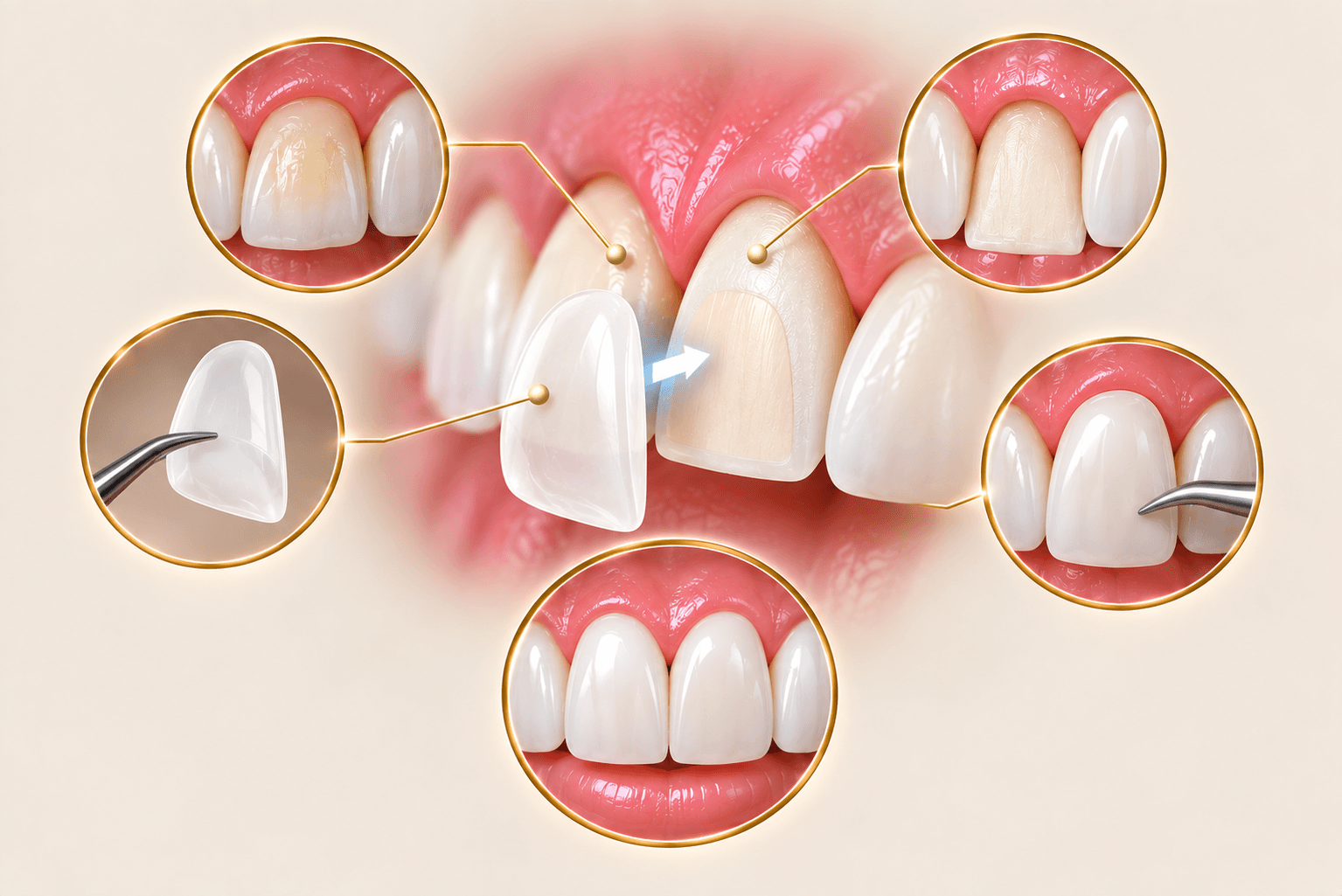
Getting veneers abroad can be appealing if you want to improve the colour, shape or size of your teeth and you're open to travelling for treatment. Veneers are thin, custom-made shells, usually porcelain or composite resin, that are bonded to the front of the teeth. Each set is planned for one person, and the tooth preparation step usually can't be undone. So it's worth asking the right questions before you book flights or accommodation. This guide covers what to ask a clinic so you can make a calm, informed decision.
Why good questions matter when getting veneers abroad
Veneers are a cosmetic treatment, but they're still a medical procedure. Often a thin layer of enamel is removed, which means the tooth will usually need some kind of covering for the rest of your life. That makes the planning stage just as important as the result.
When you travel, you also have less time to think things over between appointments. Getting clear answers in advance helps you understand what's planned, how long you may need to stay and what happens once you're home. A clinic that welcomes your questions and explains things patiently is often a good sign that it will keep communicating with you throughout treatment.
Questions about your suitability
Veneers aren't right for everyone. They may suit adults with healthy teeth and gums who want to improve how their smile looks, but a dentist needs to check your oral health, your bite and your expectations first.
Useful questions to ask include:
- What do you need from me before you can give an opinion, such as photos, X-rays or a recent dental report?
- Will a dentist look at my case personally before I travel?
- What happens if you find tooth decay or gum disease when I arrive?
- I grind or clench my teeth. Does that change what you recommend?
- Would whitening, bonding, crowns or orthodontic treatment suit me better?
An honest clinic may tell you that veneers aren't the right option, or that you need other treatment first. That answer can actually be reassuring, because it shows the clinic is thinking about the long-term health of your teeth.
Questions about materials and treatment planning
The main types are porcelain veneers, composite veneers and minimal-preparation or no-preparation veneers. Each has its own advantages, and the right choice depends on your teeth and your goals.
Ask the clinic:
- Which material do you suggest for me, and why?
- How much enamel would you need to remove, if any?
- Are the porcelain veneers made in your own laboratory or an outside one?
- Do you offer smile design, digital previews or a trial mock-up so I can see the planned shape?
- How many teeth do you recommend treating, and could fewer be enough?
- How is the colour chosen, and can I help decide?
Porcelain veneers are generally known for a natural, translucent look and for resisting stains well. Composite veneers usually need less preparation and can be easier to repair, but they may stain or wear more over time. Knowing these trade-offs helps you judge the plan you're offered.
Questions about timing, visits and your trip
Veneer treatment usually involves a consultation, tooth preparation, impressions or scans, and finally bonding. The number of visits depends on the material, how many teeth are being treated and how the clinic works, so the length of your stay can vary.
Before you book travel, it helps to ask:
- How many appointments are planned, and over how many days?
- Will I wear temporary veneers while the final ones are made?
- Is there time set aside for adjustments if the fit or colour needs changing?
- Should I plan for one trip or two?
- Is there anything I should avoid between appointments?
Try to keep your travel plans flexible. Booking non-refundable flights before the clinic has confirmed your treatment plan can cause stress if the schedule changes.
Questions about risks, aftercare and follow-up at home
Veneers are widely used, but they carry possible risks. These include sensitivity, chipping, veneers coming loose (debonding), a colour mismatch with the teeth next to them, gum irritation and needing replacement over time. A good clinic should explain all of this clearly before you agree to anything.
Questions worth asking:
- What are the main risks in my case?
- What sensitivity or discomfort is common after treatment, and how should I manage it?
- What happens if a veneer chips or comes loose after I go home?
- Can my local dentist do check-ups and small repairs?
- Will I get written records of the materials used and the treatment done?
- Do you recommend a night guard for me?
Also ask what the quote includes, such as consultations, X-rays, temporary veneers and follow-up visits, so you can compare offers fairly. Costs vary widely, and a clinic can only give a realistic quote after looking at your case.
Most people get back to their normal routine quickly. There's usually a short adjustment period while your bite and mouth get used to the new surfaces. Recovery, risks and suitability are different for everyone, so your treating dentist is the right person to tell you what to expect.
When to talk to a doctor
See a dentist before committing to treatment if you have tooth pain, bleeding gums, loose teeth, a history of grinding or jaw problems, or any health condition that may affect dental care. Your local dentist can also give you a clear picture of your current oral health before you contact clinics abroad.
After treatment, contact your treating dentist promptly if you notice:
- Sensitivity that doesn't settle
- Pain when biting
- Swelling or gums that stay sore
- A veneer that feels loose, rough or uneven
Don't try to fix a veneer yourself.
Making your decision
If you're thinking about getting veneers abroad, take your time and get answers before you decide. You can compare verified clinics offering veneers, read about how they work and send one free request. The clinics then contact you, so you can ask your questions and decide at your own pace.