
How to prepare for laser treatment for skin rejuvenation
Planning laser skin rejuvenation? Use this practical checklist to prepare for laser treatment, from sun protection and skincare pauses to travel, downtime and questions for your clinic.
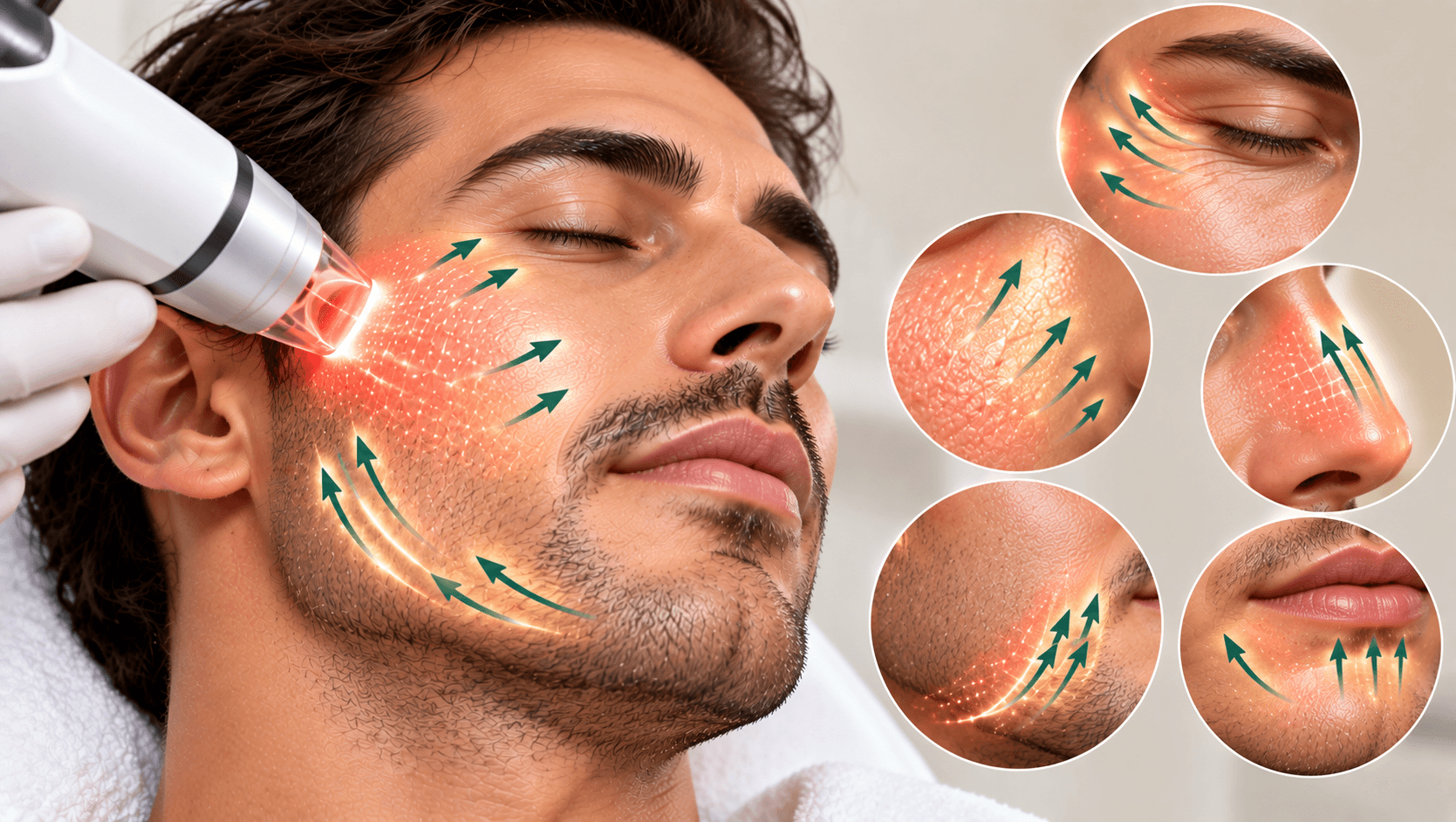
Laser skin rejuvenation can help soften fine lines, sun damage, uneven tone and some scars, but how you get ready for it matters. If you want to prepare for laser treatment in a calm, organised way, a simple checklist helps you arrive at your appointment with fewer surprises and a clearer idea of what to expect.
This guide walks you through the main steps most patients are asked to think about, from sun protection and skincare to travel plans and questions for your clinic. It is general information only. Your own preparation plan should always come from the doctor or qualified practitioner who assesses your skin, because suitability, risks and recovery differ from person to person.
Why preparation matters
Laser skin rejuvenation uses concentrated light energy on the skin. Depending on the laser, it either removes thin outer layers (ablative) or heats deeper tissue to encourage collagen production (non-ablative). Fractional lasers come in both forms. They treat tiny columns of skin and leave the surrounding areas intact.
Because the laser works directly on your skin, the condition of your skin on the day makes a difference. Tanned, irritated or infected skin may react differently, and some medicines can make skin more sensitive. Good preparation helps your practitioner choose suitable settings and may help reduce some risks, such as pigment changes or cold sore flare-ups. It cannot guarantee a particular result, but it gives your treatment a sensible starting point.
Start with a thorough consultation
The most important step comes first: an honest consultation. This is where your practitioner looks at your skin type, talks through your goals and decides which laser, if any, suits you.
Be ready to share:
- Your full medical history, including any skin conditions
- All medicines, supplements and skincare products you use
- Any history of cold sores, keloid scarring or slow wound healing
- Previous cosmetic treatments, peels or laser sessions
- Whether you are pregnant, planning a pregnancy or breastfeeding
- What you hope to change, and how much downtime you can manage
It can help to write these down before your appointment. If you have a darker skin tone, ask how the clinic reduces the risk of pigment changes, as some lasers carry a higher risk for darker skin.
How to prepare for laser treatment in the weeks before
Once you have a treatment plan, the weeks before your session are mostly about protecting your skin and following your practitioner's instructions.
Sun protection checklist
- Avoid tanning, sunbeds and self-tanning products unless your clinic says otherwise
- Use a broad-spectrum sunscreen every day, even when it is cloudy
- Wear a wide-brimmed hat and stay in the shade when you are outdoors
- Don't book holidays in strong sun close to your treatment date
Skin health checklist
- Keep your skin calm: avoid harsh scrubs, waxing or new products on the area to be treated
- Tell your clinic if you get a rash, breakout, cut or infection before your date
- Drink enough water and moisturise regularly
Your practitioner will tell you how far ahead each step applies, as this depends on the laser type and your skin.
Skincare and medicines: what to discuss
Some products and medicines can make skin more sensitive or affect healing. You may be asked to pause certain items for a while before treatment. Never stop a prescribed medicine on your own. Always check with the doctor who prescribed it or your laser practitioner first.
Items commonly discussed include:
- Retinoids and other vitamin A products
- Exfoliating acids such as glycolic or salicylic acid
- Lightening or bleaching creams
- Medicines that make skin more sensitive to light
- Oral acne medicines, which may need a longer break before treatment
- Blood-thinning medicines or supplements that may increase bruising
If you are prone to cold sores, your doctor may suggest preventive medicine before a session around the mouth. Smoking can affect how skin heals, so it's worth asking whether cutting down or stopping would help in your case.
Practical planning: downtime, travel and supplies
Recovery ranges from mild redness after gentler lasers to a longer healing phase after deeper resurfacing, with peeling and sometimes oozing or crusting. Planning around this makes the whole process much less stressful.
- Time off: ask how much downtime is typical for your chosen laser, and keep some flexibility around work and social events
- Travel: if you are treated abroad, allow time for follow-up checks and avoid booking flights or beach trips straight afterwards. Ask your clinic how long they would like you to stay
- Transport: if local anaesthesia or sedation is planned, arrange for someone to take you home
- Aftercare supplies: buy the gentle cleanser, moisturiser and sunscreen your clinic recommends in advance
- Home comforts: clean pillowcases, a soft towel and loose clothing that won't rub the treated area
- Costs: ask exactly what the quote includes, such as consultations, aftercare products and follow-up visits
With all this sorted before the day, you can focus on resting and healing.
On the day of your session
A few simple habits help the day go smoothly:
- Arrive with clean skin, with no make-up, creams or fragrance on the treatment area
- Wear comfortable clothes and take off jewellery near the area
- Eat normally unless your clinic has given you fasting instructions for sedation
- Allow time for numbing cream, which is often applied before treatment
- Ask any last questions before you start, including who to contact during recovery
During the session, you'll wear protective eyewear. Many people describe the feeling as warm, prickly or like a snapping against the skin. Afterwards, cooling and aftercare products are usually applied, and you should get written aftercare instructions to take home.
When to talk to a doctor
Contact your doctor or clinic before your treatment if:
- You notice a new rash, cold sore, infection or broken skin on the area
- You start a new medicine, or aren't sure whether to pause one
- You become pregnant or think you might be
- Your health changes, for example with a new diagnosis or illness
After treatment, get in touch promptly if you have increasing pain, spreading redness, pus, fever or blistering, or if any change worries you. It is always better to ask than to wait.
Compare clinics and plan with confidence
Good preparation starts with choosing a practitioner who takes time to assess your skin and explain your options. On our marketplace you can compare verified clinics, read about their approach and send one free request. Interested clinics then contact you to discuss your needs. You can learn more about the procedure on our laser skin rejuvenation treatment page and take the next step whenever you're ready.