
Laser Resurfacing Recovery: What to Expect at Each Stage of Healing
From the first hours of warmth and redness to peeling and new skin settling in, here is what laser resurfacing recovery can look like at each stage, plus everyday aftercare tips and signs that mean you should contact your clinic.
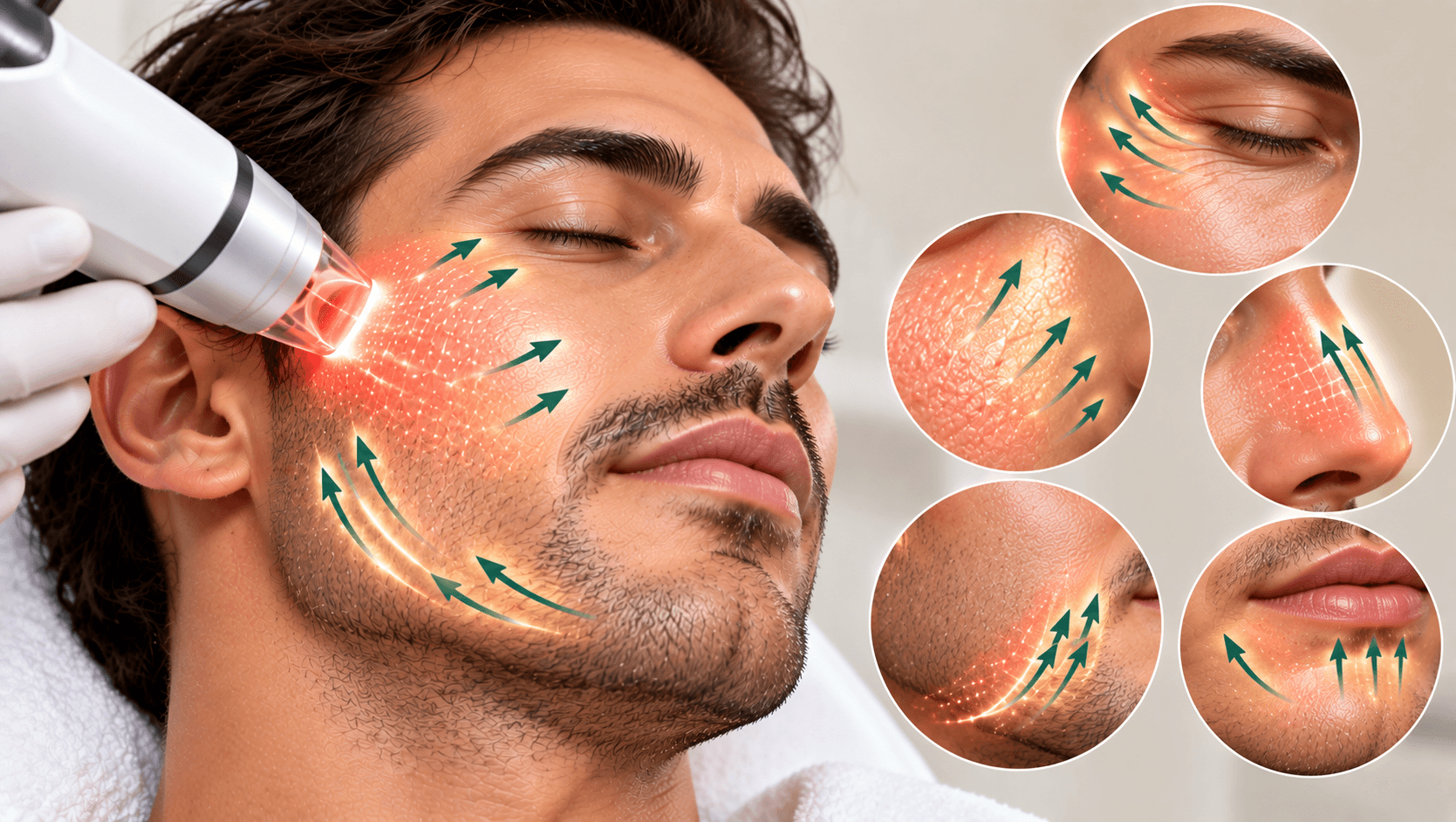
Laser skin resurfacing can soften fine lines, sun damage, uneven tone and some scars. The results don't appear on the day of treatment, though. They develop as your skin heals. If you know what laser resurfacing recovery usually involves, you can plan time off, get your aftercare ready and tell what is normal from what needs a call to your clinic. This guide covers the usual stages of healing, from the first few hours to the slower changes that follow. Everyone heals differently, and your treating doctor's instructions always come first.
Why Laser Resurfacing Recovery Differs From Person to Person
Not all laser treatments heal the same way. The biggest factor is the type of laser and how intensive the treatment is.
- Non-ablative lasers heat the skin beneath the surface without removing it. Recovery is often limited to short-lived redness and mild dryness, but several sessions are usually needed.
- Ablative lasers (such as CO2 or erbium) remove thin outer layers of skin. They tend to give more noticeable change, but healing takes longer and needs careful wound care.
- Fractional lasers treat tiny columns of skin and leave the surrounding areas intact, which can help healing. They come in both ablative and non-ablative forms.
Other things also shape your recovery: the size of the area treated, your skin type, your general health, any medicines you take and how closely you follow aftercare. That's why two people who have the "same" treatment can heal quite differently. Ask your practitioner to explain what is realistic for your skin and the laser they recommend.
Stage 1: Right After Treatment
When the session ends, the clinic usually cools your skin and applies aftercare products. As the numbing cream or anaesthetic wears off, you'll probably notice:
- Warmth or a burning feeling, similar to sunburn
- Redness across the treated area
- Swelling, which may be more noticeable around the eyes after facial treatment
- A tight or sensitive feeling in the skin
After gentle non-ablative sessions, these effects are often mild and fade fairly quickly. After ablative resurfacing, the skin is effectively healing like a wound, so the clinic will give you detailed instructions on cleaning, covering or moisturising the area. If you had sedation, arrange for someone to take you home and stay with you for a while.
Try to rest, keep your hands away from your face and use only the products your clinic recommends at this point.
Stage 2: Early Healing With Dryness, Peeling and Crusting
As healing gets going, the skin starts to renew itself. This stage often looks worse before it looks better, which is normal and expected.
What you may notice:
- Dryness and flaking, common even after gentler lasers
- Peeling, as treated skin loosens and sheds
- Oozing or crusting, mainly after ablative resurfacing
- Itching, as the skin repairs
It's tempting to pick or rub peeling skin, but try hard not to. Removing flakes or crusts too early can raise the risk of infection, pigment changes and scarring. Let the skin shed naturally.
Gentle cleansing and regular moisturising are usually central to this stage. Your clinic may give you specific cleansers, ointments or creams and tell you how often to use them. If you are prone to cold sores and were given preventive medicine, keep taking it exactly as prescribed.
Stage 3: Fading Redness and New Skin Settling In
Once peeling and crusting have settled, fresh skin is revealed underneath. It often looks pink or red at first, and the redness fades gradually. How long this takes varies a lot between people and treatments.
During this later phase:
- New skin may feel smoother but more sensitive than usual
- Your clinic may say when it's okay to use makeup, usually mineral-based or gentle products
- Strict sun protection becomes especially important, because new skin can be prone to pigment changes
- You may slowly bring back your usual skincare, as your practitioner advises
Some of the improvement from laser treatment comes from new collagen production, and that develops slowly. Texture and firmness may keep changing well after the visible healing is over. If you are having a series of non-ablative sessions, the full effect usually builds over the course of treatment, not after a single visit.
Everyday Aftercare Throughout Healing
Whatever laser you have, some aftercare habits help at every stage:
- Protect your skin from the sun. Use a broad-spectrum sunscreen once your clinic allows it, wear a wide-brimmed hat and avoid strong midday sun.
- Cleanse gently. Use lukewarm water and a mild cleanser, and pat the skin dry.
- Moisturise regularly to support the skin barrier and ease tightness.
- Avoid strong actives such as retinoids, exfoliating acids or scrubs until your practitioner says it's safe.
- Skip saunas, steam rooms and intense workouts in the early days if your clinic advises it, since heat and sweat can irritate healing skin.
- Go to follow-up appointments so your practitioner can check how you are healing.
Ask for your aftercare plan in writing, so you can check it whenever you're unsure.
Planning Your Recovery When Treated Abroad
If you're travelling for treatment, think about recovery before you book. Ablative resurfacing in particular may mean staying near the clinic for a while, so the team can check your skin and deal with any concerns.
Practical points to discuss with your clinic:
- How long they recommend you stay before flying home
- When follow-up checks will take place
- How to reach the clinic if you have questions after you return
- Whether the climate at your destination makes sun protection harder
- Which aftercare products you'll need to take home
Try not to pack sightseeing, beach days or important events into your recovery period. Give yourself room to rest.
When to Talk to a Doctor
Some discomfort, redness and peeling are a normal part of healing. Still, contact your clinic or a doctor promptly if you notice:
- Pain that gets worse instead of better
- Increasing swelling, warmth, yellow discharge, a bad smell or fever, which may point to infection
- Blisters, sores or a cold sore flare-up
- Areas that look burned or are not healing
- Redness or swelling that lasts much longer than you were told to expect
- Darker or lighter patches developing on the skin
- Significant acne breakouts or many small white bumps (milia)
If you're ever unsure, ask. Your treating team knows your skin and the treatment you had, so they are best placed to advise you.
Compare Clinics and Plan With Confidence
Recovery is a big part of laser skin resurfacing, so it helps to choose a practitioner who explains every stage clearly and gives you a personal aftercare plan. On our platform, you can compare verified clinics, read about their approach and send one free request. The clinics you choose will then contact you to discuss your skin, your goals and what recovery might look like for you. Start by exploring laser skin rejuvenation treatments.