
Am I a good liposuction candidate? What surgeons look at
Thinking about liposuction? Learn what surgeons usually assess when deciding if someone is suitable, from general health and stable weight to skin quality, smoking and realistic goals.
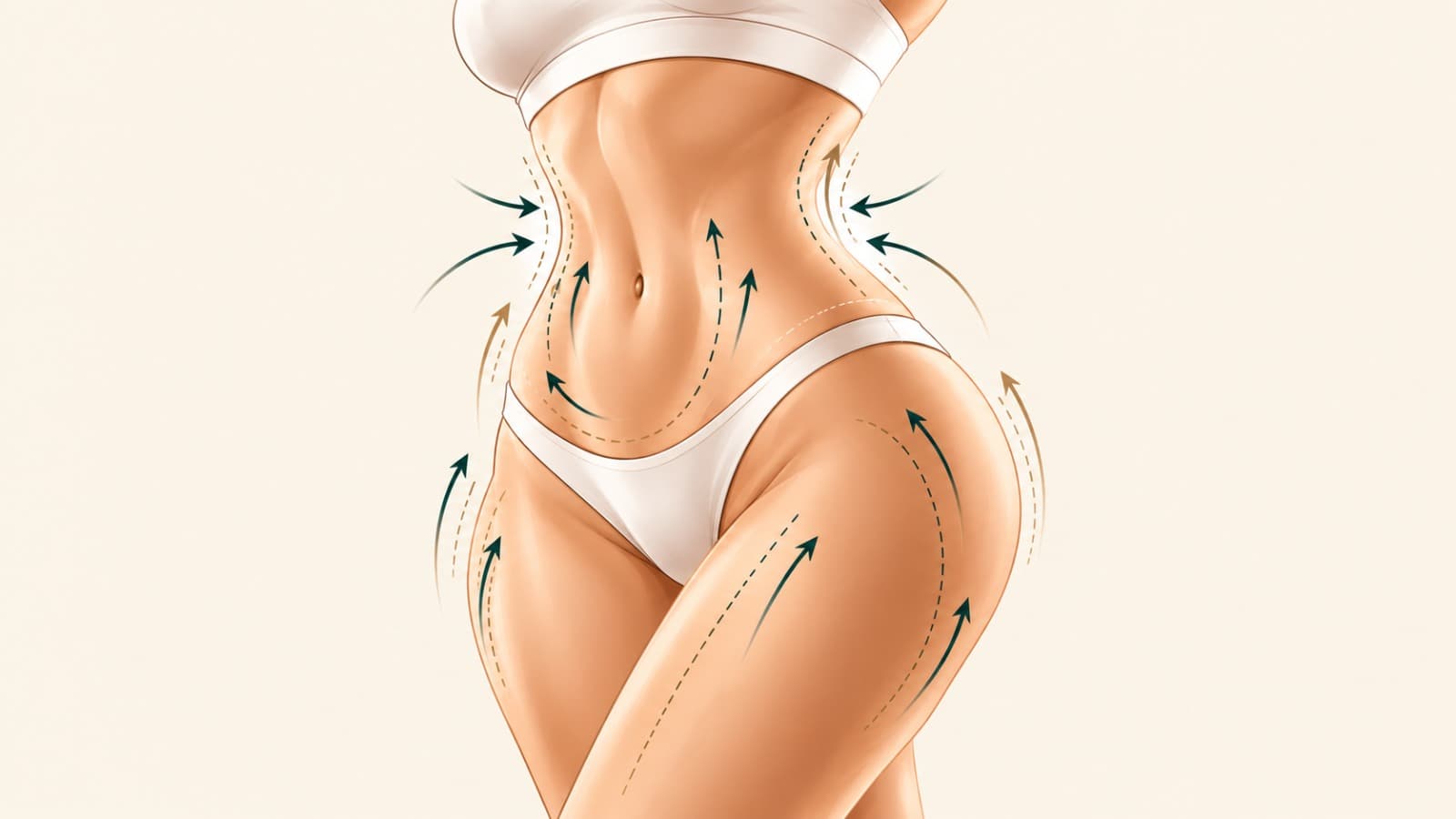
If you have an area of fat that won't shift with diet and exercise, you may have wondered whether liposuction could help. Before planning anything, it helps to know what makes someone a good liposuction candidate. Surgeons don't decide based only on how you look. They look at your health, your weight history, your skin and what you hope to achieve.
This guide covers the main things a surgeon usually checks during a consultation, so you can go into that conversation feeling prepared. Keep in mind that suitability is different for everyone. Only the doctor who examines you can tell you whether liposuction is right for you.
What liposuction can and cannot do
Before getting into who is suitable, it helps to be clear about what the procedure is for. Liposuction is a cosmetic surgical procedure. It removes stubborn fat from specific areas, such as the abdomen, hips, thighs, arms or chin, using a thin tube called a cannula. The aim is to improve body contour.
Some things are worth knowing from the start:
- It is not a weight-loss treatment and is not used to treat obesity
- It does not tighten loose skin
- It works best on localised fat that doesn't respond well to diet and exercise
- The final shape takes time to show, because swelling settles gradually over several months
Many surgeons say that knowing these limits is part of being a good candidate in the first place.
What makes a good liposuction candidate?
Liposuction is generally considered for adults who are in good overall health, are close to a stable weight and have areas of fat that are hard to shift. It also tends to suit people with reasonably firm, elastic skin and realistic expectations.
During your assessment, the surgeon will usually talk through:
- Your general health, medical history and any medicines you take
- Whether your weight has been stable for some time
- The quality and elasticity of your skin
- Whether you smoke
- Your goals, and what liposuction can and cannot realistically achieve
None of these on its own decides the matter. The surgeon looks at the whole picture.
Your health and medical history
Liposuction is surgery, so your general health matters a great deal. Depending on how extensive the procedure is, it may be done under local anaesthesia, sedation or general anaesthesia. Your body also needs to heal well afterwards.
Expect questions about:
- Past and current medical conditions
- Previous surgeries and how you recovered from them
- Medicines, supplements and anything that might affect bleeding
- Any history of blood clots or circulation problems
- Allergies or past reactions to anaesthesia
Be open and complete when you answer. Something that seems minor to you may affect how the surgeon plans your procedure, or whether they recommend it at all. Liposuction may not be advised if you have certain heart, blood-clotting or circulation problems.
Weight stability and your body goals
Surgeons usually prefer patients who are close to a weight they can maintain. If your weight is still changing, the results of liposuction can change too. That is why a stable weight is one of the first things many surgeons ask about.
If you are planning a large weight change, or a pregnancy in the near future, your surgeon may suggest waiting. Both can change your body shape after surgery.
Your goals matter just as much. A surgeon will want to know which areas bother you and what kind of change you are hoping for. Someone who wants to refine their contour in one or two areas is often a better fit than someone hoping liposuction will change their overall size. Honest goals make for a more useful consultation.
Skin quality: why elasticity matters
After fat is removed, the skin over the area needs to adapt to the new shape. Firm, elastic skin usually adjusts more easily. Skin that is already loose may not tighten on its own once the fat beneath it is gone.
This is why the surgeon will often examine your skin closely. If you have a lot of loose skin, for example on the abdomen, they may talk to you about a different or additional procedure, such as a tummy tuck. This isn't a rejection. It is a way of matching the treatment to what your body actually needs.
Lifestyle factors and planning your recovery
How you live day to day also affects whether liposuction is a sensible choice. Smoking is one of the main factors surgeons ask about, because it can slow healing and raise the risk of complications. Your surgeon may ask you to stop for a period before and after surgery.
Being able to commit to recovery is part of being a good candidate too. Most people have swelling, bruising and some discomfort at first, which ease gradually. During recovery you can usually expect:
- Wearing a compression garment for as long as your surgeon recommends
- Following wound care and pain relief instructions
- Gentle walking early on to support circulation
- Follow-up checks to monitor healing
- Waiting for your surgeon's approval before more strenuous exercise
If you are thinking about treatment abroad, ask how long you should stay near the clinic before flying home. Plan how follow-up care will work once you are back. Long flights can raise the risk of blood clots, so this is worth discussing carefully.
Understanding the risks before you decide
A good candidate also understands that liposuction carries risks, like any surgery. Common side effects such as swelling, bruising, soreness and numbness are usually temporary. Less common complications can include uneven contours, fluid collecting under the skin, infection, changes in sensation, bleeding, reactions to anaesthesia and blood clots. Rarely, more serious problems such as fat embolism or injury to internal organs can occur.
Your individual risk depends on your health, how extensive the procedure is and the experience of the surgical team. Your surgeon should explain all of this clearly and tell you what to watch for afterwards.
When to talk to a doctor
It is a good idea to speak with a doctor before committing to liposuction, especially if:
- You have a heart, circulation or blood-clotting condition
- You take regular medicines, including blood thinners
- Your weight has changed noticeably in recent months
- You are planning a pregnancy
- You are unsure whether your concern is fat, loose skin or both
- You plan to travel abroad and want to understand the risks of flying after surgery
Your own doctor can help you prepare questions for the surgeon. The surgeon will then make the final decision after a consultation and medical assessment. If anything feels wrong after surgery, contact your medical team promptly.
Find the right clinic for your consultation
Knowing what surgeons look at makes it easier to have an honest, useful conversation about your goals. On our site, you can compare verified clinics, look at their surgeons and facilities, and send one free request. Clinics then get in touch with you to discuss your case, with no obligation. To learn more about the procedure and see your options, visit our liposuction treatment page.