
Understanding the differences: mini facelift vs full facelift
Mini or full facelift? Learn how the two differ in which areas they treat, incision length and extent of surgery, and what to ask a surgeon before you decide.
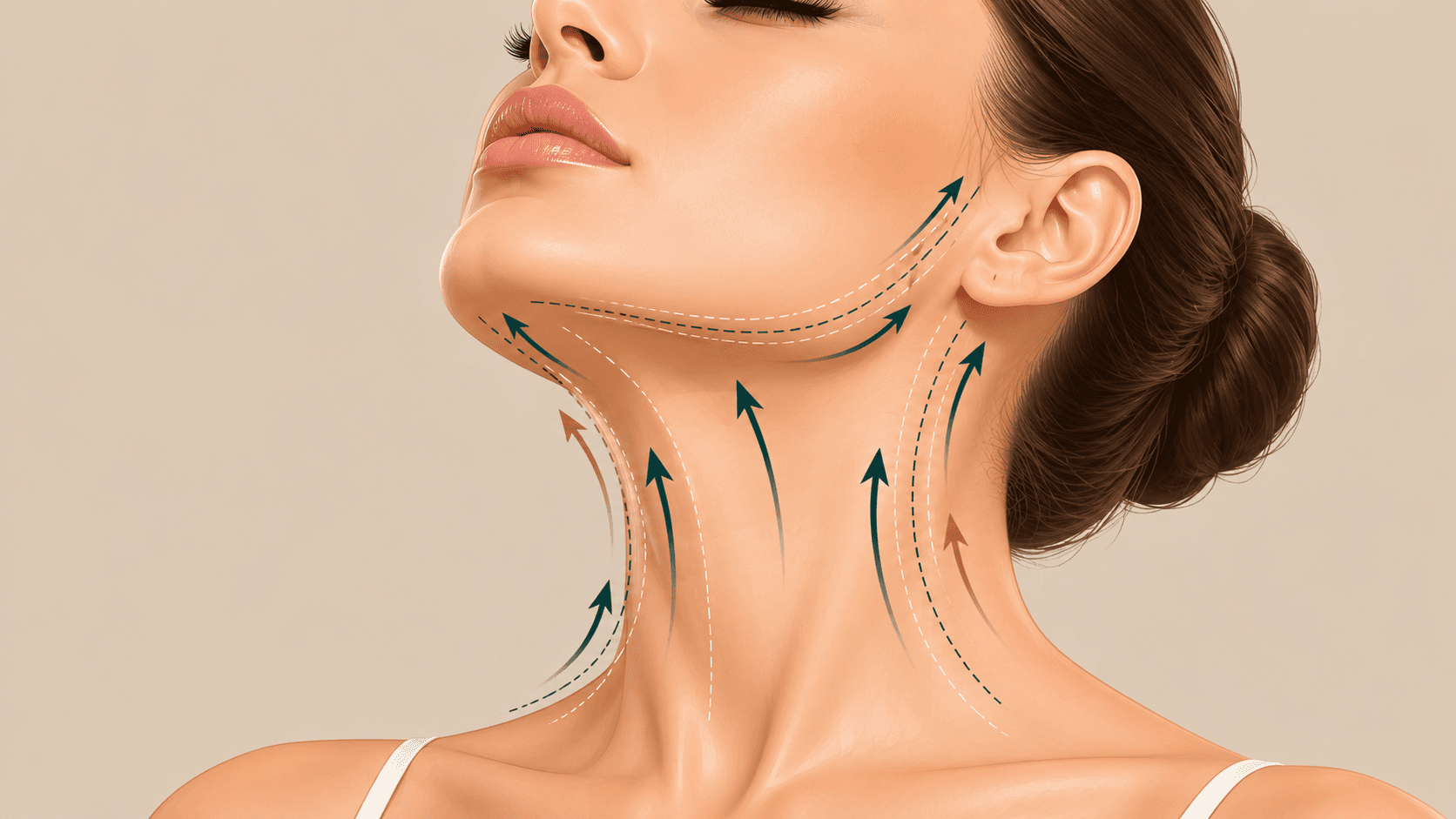
If you have started reading about facial rejuvenation, you have probably come across the question of mini facelift vs full facelift. Both are surgical procedures that lift and tighten sagging tissues. Both aim for a fresher, more rested look that still looks like you. The main differences are how much of the face is treated, how long the incisions are and how big the operation is. This guide explains those differences in plain terms so you can have a better-informed conversation with a surgeon.
What a facelift aims to do
A facelift is a cosmetic surgical procedure that lifts and repositions sagging tissues of the lower face and neck. The surgeon tightens the deeper layers, removes excess skin and redrapes what remains. This can soften jowls, deep folds between the nose and mouth, and loose skin on the neck.
It also helps to know what a facelift does not do. It does not stop the ageing process. On its own, it does not treat fine surface wrinkles, sun damage or skin texture. For these, surgeons sometimes suggest other treatments, such as eyelid surgery, a brow lift, fat transfer or skin resurfacing. These can be combined with a facelift or planned separately.
Mini and full facelifts share this basic goal. What changes is how much is done.
Mini facelift vs full facelift: the main differences
A full facelift treats the mid face, lower face and neck. The incisions usually start at the temples, run in front of and around the ears and end in the hairline behind them. A small incision under the chin may be added to treat the neck.
A mini facelift, sometimes called a short-scar facelift, uses shorter incisions and is generally meant for milder sagging. Because it works on a smaller area, it is usually a smaller operation than a full facelift.
Here is a simple overview of how they tend to compare:
- Area treated: a full facelift covers the mid face, lower face and neck. A mini facelift deals with milder sagging, often around the lower face and jawline
- Incisions: longer for a full facelift and shorter for a mini facelift. In both cases they are usually hidden around the ears and along the hairline
- Degree of sagging: a full facelift is usually considered for more noticeable sagging, including the neck. A mini facelift is usually considered for earlier or milder changes
- Extent of surgery: a full facelift is a bigger operation, while a mini facelift does less
- Neck: loose neck skin is more often treated with a full facelift or a neck lift than with a mini facelift alone
These are general patterns, not fixed rules. Techniques vary between surgeons, and clinics do not always use the same names for the same procedure. Always ask exactly what will be done in your case.
Techniques you may hear about
Besides "mini" and "full", you may hear other terms during your research or consultations:
- Deep plane and SMAS techniques: these reposition the deeper layer of muscle and connective tissue, rather than only tightening the skin
- Neck lift: concentrates on the neck and jawline and is sometimes combined with a facelift
- Short-scar facelift: another name often used for a mini facelift
The right approach depends on your anatomy, skin quality and goals. A good surgeon will explain which technique they recommend for you and why, rather than offering everyone the same option.
Mini or full facelift: which might suit you?
There is no one answer for everyone, and only a surgeon who examines you in person can give proper advice. Still, it helps to know what usually guides the choice.
A mini facelift may be discussed if:
- Your sagging is mild and mainly around the lower face, or your jowls are just starting to form
- The skin on your neck is still fairly firm
- You want a smaller change
A full facelift may be discussed if:
- Your cheeks and jowls sag more noticeably
- You have deep folds running from your nose to the corners of your mouth
- You are bothered by loose skin or fat under the chin and on the neck
Your surgeon will also look at your general health and any medical conditions, such as high blood pressure or diabetes. They will ask about medicines and supplements that may affect bleeding or healing, and about smoking and nicotine use. They will also assess your skin elasticity and bone structure. Being a non-smoker, or being willing to stop well before and after surgery, is usually important.
Realistic expectations matter too. A smaller procedure makes a smaller change, so a mini facelift may not meet your goals if your sagging is significant. On the other hand, you may not need a full facelift if your changes are mild.
Anaesthesia, recovery and risks
A facelift is usually done under general anaesthesia, or under local anaesthesia with sedation. The choice depends on how much surgery is planned, the clinic and your health. A smaller procedure may sometimes be done under local anaesthesia with sedation. Depending on the clinic and the extent of surgery, some patients stay in hospital for a short time or overnight for observation.
Whichever procedure you have, recovery usually moves through stages:
- Early stage: rest, keeping your head raised, swelling, bruising and a feeling of tightness or numbness
- Follow-up visits: dressing changes, removal of drains if they were used, and removal of stitches
- Return to routine: light daily activities first, then work and exercise once your surgeon agrees
- Settling stage: remaining swelling goes down, feeling returns, and scars mature and soften over time
Because a mini facelift is usually a smaller operation, some people expect a shorter or easier recovery. That may be true for some patients, but healing time differs from person to person. Ask your surgeon what to expect from your own treatment plan.
Both procedures carry risks. Possible complications include:
- Bleeding or a collection of blood under the skin (haematoma)
- Infection
- Visible or thickened scars
- Nerve injury that affects feeling or facial movement, usually temporary and rarely lasting
- Hair loss near the incisions
- Asymmetry, or a result that differs from what you expected
- Risks from the anaesthesia
- Slow wound healing, especially in smokers
A smaller operation still carries risks, so talk openly with your surgeon about what your own risks are.
If you plan to travel for surgery, allow enough time to stay near the clinic for check-ups. Ask your surgeon when it is safe to fly home.
When to talk to a doctor
Talk to a qualified surgeon if sagging in your face or neck bothers you and you want to understand your options. Have a consultation before you choose between a mini and a full facelift. Do not choose based on the name alone.
Useful questions to ask:
- Which technique do you recommend for me, and why?
- Which areas will be treated, and where will the incisions be?
- What type of anaesthesia will be used?
- How long should I stay near the clinic before I travel home?
- Can I have a written list of what the quoted price includes?
Tell your doctor about any health conditions, medicines, supplements and smoking habits. Whether you are suitable, how you recover and what your risks are all vary from person to person. Always discuss them with the surgeon who will treat you.
Compare verified clinics
Understanding the difference between a mini facelift vs full facelift is a useful first step, but the right choice depends on your face, your health and your goals. On our site you can compare verified clinics and see the procedures they offer. You can then send one free request, and the clinics will contact you to talk through your options. Find out more on our facelift treatment page.