
Mini Gastric Bypass Risks: Bile Reflux, Dumping Syndrome and Nutritional Deficiencies Explained
Thinking about a Mini Gastric Bypass? Learn the main risks and side effects, including bile reflux, dumping syndrome and nutritional deficiencies, and how follow-up care helps you manage them.
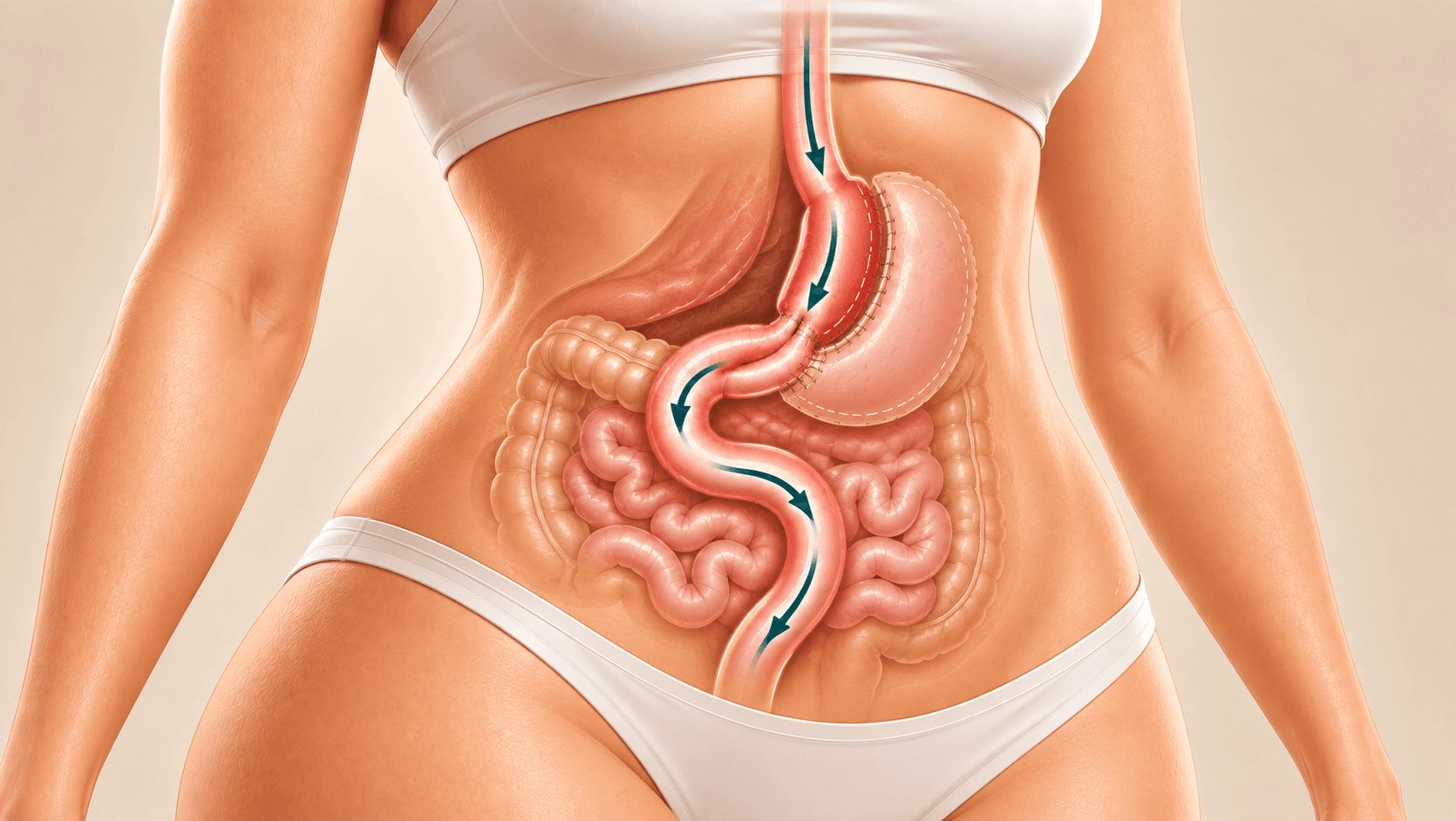
If you are thinking about weight-loss surgery, learning about mini gastric bypass risks matters as much as learning about the benefits. A Mini Gastric Bypass, also called a one-anastomosis gastric bypass (OAGB), is a keyhole operation. The surgeon makes a long, narrow stomach pouch and joins it to a loop of small intestine. This helps you eat less and absorb fewer calories. It can also help with weight-related conditions such as type 2 diabetes, high blood pressure and sleep apnoea.
Like any major operation, it has possible side effects. Some can happen soon after surgery and others may appear months or years later. This guide explains the most talked-about ones in plain language: bile reflux, dumping syndrome and nutritional deficiencies. It also covers other surgical risks. Remember that everyone's risk is different, and your own situation should always be discussed with your surgeon.
Bile reflux after a Mini Gastric Bypass
Bile is a digestive fluid made by the liver that normally flows into the small intestine. In a Mini Gastric Bypass, the stomach pouch is joined to a loop of intestine with a single connection. Because of this, bile can sometimes flow back up into the pouch and, in some people, into the food pipe (oesophagus).
Bile reflux can cause:
- Heartburn or a burning feeling in the chest
- A bitter taste in the mouth, especially when lying down
- Nausea or occasional vomiting of yellow-green fluid
- Irritation of the stomach pouch or oesophagus
Not everyone gets bile reflux, and symptoms can range from mild to more troublesome. Doctors may suggest changes to eating habits, raising the head of the bed or medication. If symptoms continue, further tests may be needed. Sometimes a different surgical option, such as converting to a Roux-en-Y gastric bypass, is discussed.
This is also why surgeons look closely at existing reflux before surgery. People who already have severe heartburn may be advised to consider a different operation.
Dumping syndrome: what it is and why it happens
Dumping syndrome happens when food, especially sugary or very rich food, moves too quickly from the stomach pouch into the small intestine. The body reacts to this sudden load, which can cause unpleasant symptoms.
Doctors often describe two types:
- Early dumping, usually soon after eating, with nausea, cramps, bloating, sweating, a fast heartbeat, light-headedness or diarrhoea
- Late dumping, a few hours after eating, when blood sugar can drop. This may cause shakiness, weakness, sweating, hunger or confusion
Dumping syndrome is often managed through diet. Helpful habits usually include:
- Eating small portions slowly and chewing well
- Limiting sugary foods and drinks
- Choosing protein-rich meals with some fibre
- Drinking fluids between meals rather than with them
Your dietitian can help you find the eating pattern that works for you. If symptoms are frequent or severe, tell your medical team.
Nutritional deficiencies and lifelong supplements
Because food bypasses part of the small intestine, your body absorbs fewer calories, which supports weight loss. It also absorbs fewer vitamins, minerals and nutrients. That is why nutritional deficiencies are among the most important long-term mini gastric bypass risks.
Nutrients that commonly need attention include:
- Iron, which can lead to anaemia, tiredness and breathlessness
- Vitamin B12, which is important for nerves and blood
- Calcium and vitamin D, which support bone health
- Protein, which your body needs to keep muscle and heal well
- Other vitamins and minerals, depending on your blood tests
Deficiencies can develop slowly and may not cause clear symptoms at first. Daily vitamin and mineral supplements for life and regular blood tests are part of the commitment. Following your team's advice on protein intake also matters.
Other mini gastric bypass risks to know about
As well as the side effects above, there are general surgical risks and other possible complications. Your surgeon should explain how each one applies to you.
- Bleeding, infection or blood clots: possible after any major operation. Early walking and preventive measures are often used to lower clot risk
- Leaks: fluid may leak from the staple line or the connection. This is a serious complication that needs prompt treatment
- Ulcers near the connection: the risk is higher in people who smoke or take certain painkillers
- Gallstones: these can form during rapid weight loss
- Anaesthesia risks: these are discussed with your anaesthetist before surgery
How to lower your mini gastric bypass risks
No surgery is risk-free, but there is a lot you can do to support a safer recovery and spot problems early:
- Be fully honest about your medical history, medicines and reflux symptoms during your assessment
- Stop smoking, ideally well before surgery and for good afterwards
- Ask your doctor which painkillers are safe for you
- Follow the staged diet, from liquids to puréed and soft foods and then to a balanced diet
- Take your supplements every day and go to all your blood tests
- Keep in touch with your dietitian and, if helpful, a psychologist
- If you travel abroad, agree on a clear follow-up plan before you leave
When to talk to a doctor
Some symptoms need prompt medical attention, especially in the weeks after surgery. Contact your surgical team or seek urgent care if you notice:
- Severe or worsening abdominal pain
- Fever, a fast heartbeat or feeling generally very unwell
- Persistent vomiting or being unable to keep fluids down
- Pain, swelling or redness in a leg, chest pain or breathlessness
- Black stools or vomiting blood
Also speak to your doctor about ongoing heartburn, frequent dumping symptoms, constant tiredness, tingling in your hands or feet, or hair loss. These can point to reflux, ulcers or deficiencies that are easier to manage when found early.
Comparing clinics and planning your next step
Understanding the risks helps you ask better questions and make a decision you feel comfortable with. A good clinic will assess you carefully and explain the possible side effects openly. It should also make clear how aftercare and follow-up will work once you are home.
To learn more about the procedure, who it may suit and how recovery works, visit our Mini Gastric Bypass treatment page. There you can compare verified clinics and send one free request, and the clinics will contact you to discuss your options.