
Mommy Makeover Recovery: What to Expect Week by Week and How to Plan Help at Home
A calm, practical look at mommy makeover recovery: how healing usually moves in phases, what the early weeks may feel like, and how to arrange childcare and help at home before surgery.
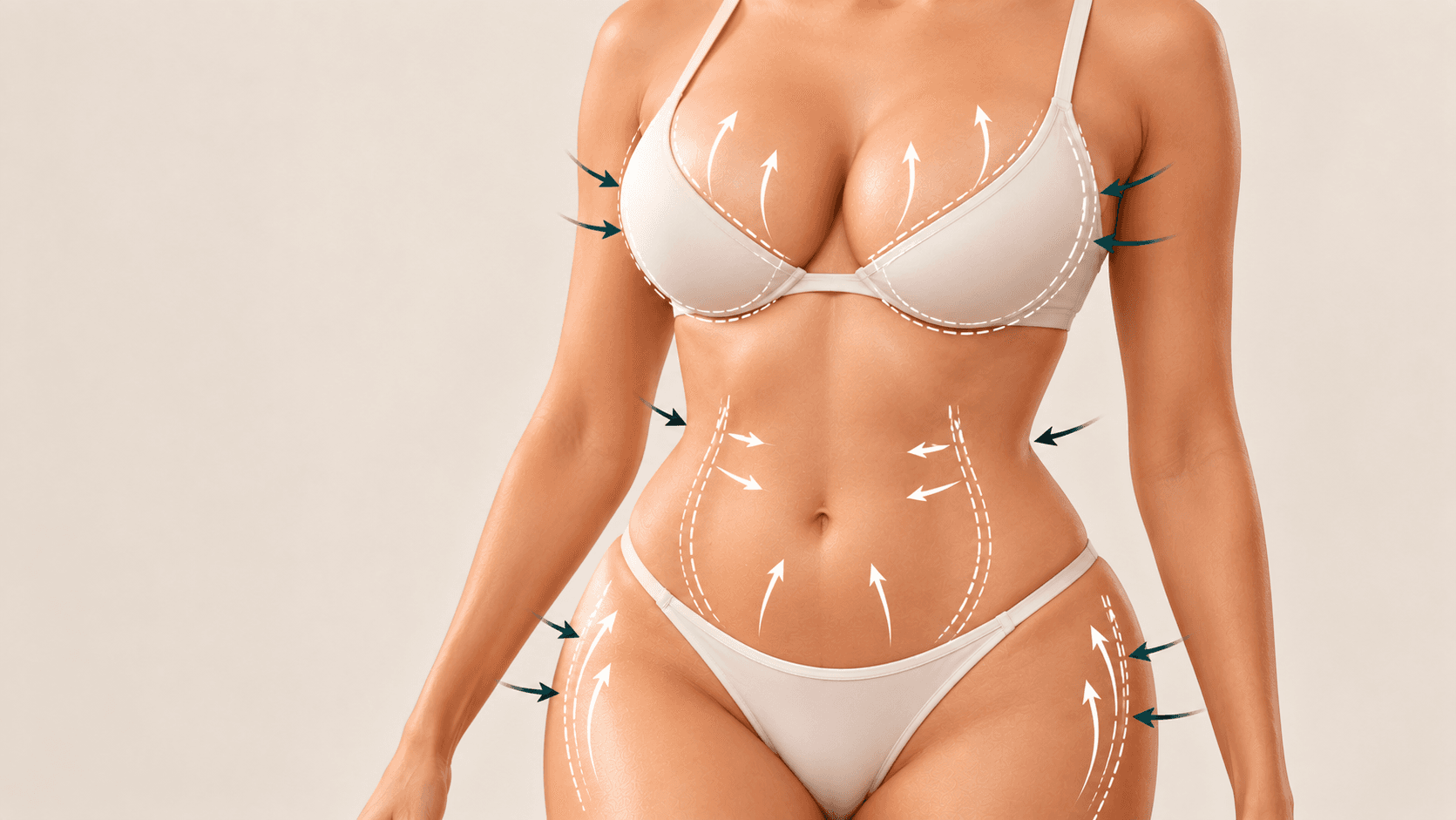
If you are thinking about combined surgery after pregnancy, one of the first questions is usually about mommy makeover recovery. How long will you need to rest? Who will lift the children? When will everyday life start to feel normal again? These are sensible questions. Planning for them early can make the whole experience calmer.
A mommy makeover usually brings together two or more procedures, often breast surgery with a tummy tuck and sometimes liposuction. Several areas heal at the same time, so recovery is usually more involved than after a single operation. This guide walks through the typical phases in general terms and explains how to organise support at home. Keep in mind that every body heals differently, and your own timeline should always come from your treating surgeon.
Why mommy makeover recovery happens in phases
Recovery doesn't follow a fixed calendar. It tends to move through phases: an early rest phase, a gradual return to daily activities, and a longer period while swelling settles and scars mature. How long each phase lasts depends on things like:
- Which procedures were combined and how extensive they were
- Whether the abdominal muscles were repaired during a tummy tuck
- Whether implants were used in breast surgery
- Your general health, age, weight history and whether you smoke
- How closely you can follow aftercare instructions, including rest
So the "weeks" below are rough guides, not promises. Your surgeon may give you a different plan, and that plan is the one to follow.
The first days: rest, comfort and short walks
The first days after surgery are usually the most demanding. Many patients have a short hospital stay, depending on the procedures and the clinic's protocol. After that, the focus is on rest and comfort.
During this time you may notice:
- Pain and tightness, managed with the pain relief your doctor prescribes
- Swelling and bruising across the treated areas
- Dressings, a compression garment or surgical bra, and possibly drains
- Difficulty standing fully upright if you had a tummy tuck, because the abdominal skin feels tight
Short, gentle walks are often encouraged early on to support circulation. Still, you'll need help with most everyday tasks. This is not the time to cook, clean, carry shopping or look after small children on your own.
The first weeks: what mommy makeover recovery often feels like
Over the following weeks, many people notice that pain eases bit by bit and moving gets a little easier. Swelling and tightness usually fade slowly rather than overnight, and some days may feel better than others.
Typical features of this phase include:
- Wearing compression garments as instructed, often for much of the day
- Follow-up visits for wound checks and, if used, drain removal
- Avoiding lifting, including lifting children, laundry baskets and shopping bags
- Sleeping in a position your surgeon recommends, which may feel unusual at first
- Feeling tired more quickly than usual, which is a normal part of healing
Some patients feel ready for desk work or light activities during this period, while others need longer. Strenuous exercise, heavy lifting and intense core work usually come back much later, and only once your surgeon allows it.
The following months: swelling, scars and settling results
Even after you are back to most daily routines, your body keeps healing. Swelling can carry on for many months, especially around the abdomen, and results gradually settle into their final shape.
During this longer phase:
- Scars often look pink or raised at first and tend to fade and soften over time
- Numbness or altered sensation may slowly improve
- Your surgeon may give advice on scar care and when to stop wearing compression
- Exercise is usually reintroduced step by step, as your doctor advises
Patience helps here. Judging results too early, while swelling is still present, can be discouraging.
How to plan help at home before surgery
Good preparation is one of the most useful things you can do for a smoother recovery. Because lifting and bending are restricted for a while, everyday family life needs a plan in advance.
Childcare and family support
- Arrange for a partner, relative or trusted helper to be with you during the first days at least
- Plan who will lift, bathe, carry and drive the children in the weeks that follow
- Explain to older children, in simple words, that you'll need gentle hugs and can't pick them up for a while
- Think about school runs, night wakings and activities, and share these tasks out ahead of time
Preparing your home
- Put everyday items at waist height so you don't need to reach or bend
- Prepare or freeze meals ahead of time
- Set up a comfortable resting area with pillows, water, chargers and things to keep you occupied
- Have loose, front-opening clothes ready that are easy to put on over garments
Practical arrangements
- Discuss time off work with your employer, allowing some flexibility
- Keep your prescriptions, aftercare instructions and clinic contact details somewhere easy to find
- If you are travelling abroad, ask the clinic how long they advise you to stay nearby before flying home, and whether someone should travel with you
When to talk to a doctor
Some discomfort, swelling and bruising are expected. Even so, it's important to know when to get in touch with your surgeon or seek medical help. Contact your doctor promptly if you notice:
- Fever, chills or feeling generally unwell
- Increasing redness, warmth, discharge or an unpleasant smell from a wound
- Sudden or one-sided swelling, or pain that gets worse instead of better
- Pain, swelling or warmth in one calf or leg
- Shortness of breath, chest pain or a fast heartbeat, which need urgent medical attention
- Wounds that open or bleed more than expected
If you're unsure whether something is normal, ask. Your care team would rather hear from you early. Recovery, risks and suitability differ for everyone, so discuss your personal situation with your treating doctor before and after surgery.
Compare clinics and plan your recovery with confidence
A smooth recovery starts with a clear plan and a surgical team you trust. When you speak with clinics, ask how they handle aftercare, follow-up visits and support if you travel. You can learn more about the procedure, compare verified clinics and send one free request on our mommy makeover treatment page. The clinics will then contact you to discuss your goals and the recovery plan that suits you.