
Your guide to a mommy makeover abroad
A personalised combination of plastic surgery procedures, often breast surgery with a tummy tuck and liposuction, planned together to address body changes after pregnancy, breastfeeding or weight changes.
About Mommy makeover
A mommy makeover is a combination of plastic surgery procedures, planned together, that addresses body changes many women notice after pregnancy, breastfeeding or weight changes. It most often combines breast surgery, such as a lift, augmentation or reduction, with a tummy tuck and sometimes liposuction, tailored to each person's goals and health.
Key facts
- Treats: loose or stretched abdominal skin, separated tummy muscles, stubborn fat pockets and changes in breast volume or position
- How it is done: two or more procedures, usually in one operation, sometimes split into stages
- Anaesthesia: typically general anaesthesia
- Hospital stay: often a short inpatient stay, depending on the procedures combined and the clinic's protocol
- Recovery: an early rest phase, then a gradual return to daily activities, with final results settling over several months
What does a mommy makeover usually include?
There is no fixed package: a mommy makeover is put together around your body and your goals. Most plans combine breast surgery with abdominal surgery, and some add liposuction or other body contouring.
Procedures that are often part of the plan include:
- Tummy tuck (abdominoplasty): removes excess skin, tightens the abdominal wall and can repair separated muscles (diastasis recti)
- Breast lift (mastopexy): raises and reshapes breasts that have lost firmness
- Breast augmentation: restores volume with implants or, in some cases, fat transfer
- Breast reduction: reduces size and weight where breasts have become larger
- Liposuction: reshapes areas such as the waist, hips or thighs
Some patients also ask about procedures for the intimate area or scar revision. Your surgeon will explain which combination is realistic and safe for you.
Who is a suitable candidate?
Good candidates are usually in stable general health, at or near a stable weight, and have finished having children. Suitability is always decided individually by the surgeon after a consultation and examination.
Things a surgeon typically considers:
- Whether you plan further pregnancies, since these can change the results
- Time since your last pregnancy and whether you have stopped breastfeeding
- Your weight history and whether it has been stable for some time
- Smoking, which raises the risk of wound-healing problems
- Medical conditions, medicines and previous surgery
- Realistic expectations about what surgery can and cannot change
A mommy makeover is not a weight-loss treatment. It is designed to reshape areas that diet and exercise alone often do not change.
How is the procedure performed?
Most combined procedures are done in a single operation under general anaesthesia, with the surgeon working on each area in turn. If the plan is extensive, the surgeon may recommend splitting it into two stages for safety.
A typical journey looks like this:
- Consultation: discussion of goals, medical history, examination and photos for planning
- Pre-operative checks: blood tests and other tests as requested by the clinic
- Surgery: incisions are placed where scars can usually be hidden, for example low on the abdomen or around and below the breasts
- Aftercare: dressings, possibly drains, and a support garment or surgical bra
The length of the operation depends on how many procedures are combined, and your surgeon can give you an estimate for your own plan.
What is recovery like?
Recovery after a mommy makeover is usually more involved than after a single procedure, because several areas heal at the same time. It happens in phases, and how long each phase lasts differs from person to person.
In general terms:
- First days: rest, pain relief and help at home; walking short distances is often encouraged to support circulation
- Following weeks: swelling and tightness slowly ease; you wear compression garments and avoid lifting, including lifting small children
- Return to activity: desk work and light activity come back gradually, while strenuous exercise is resumed later, once the surgeon allows it
- Longer term: swelling continues to settle and scars fade over many months
Arranging childcare and household support in advance makes this time much easier. If you travel abroad, ask the clinic how long they advise you to stay before flying home.
What are the risks and side effects?
Like any major surgery, a mommy makeover carries risks, and combining procedures can increase some of them. Your surgeon should explain these openly and assess your personal risk before surgery.
Possible risks and side effects include:
- Pain, swelling, bruising and temporary numbness
- Fluid collection (seroma) or bleeding (haematoma)
- Infection or delayed wound healing
- Visible or widened scars
- Blood clots in the legs or lungs
- Asymmetry or results that differ from expectations
- Implant-related issues, if implants are used
- Risks linked to anaesthesia
Following pre- and post-operative instructions, not smoking and attending follow-up checks all help to lower risk. Whether surgery is right for you, and which risks apply, is something to discuss with your treating doctor.
What affects the cost?
The price depends mainly on which procedures are combined and how complex your case is. Clinics usually give a personalised quote after reviewing your details or photos.
Factors that commonly influence cost:
- Number and type of procedures
- Implants, if used, and their type
- Operation time and anaesthesia
- Length of the hospital stay
- Garments, medicines and follow-up visits
- Country, city and clinic facilities
- Travel, accommodation and any extra days you stay nearby
When comparing quotes, check exactly what is included so you are comparing like with like.
How do I choose a clinic abroad?
Look for a qualified plastic surgeon with experience in combined body and breast procedures, and a clinic that communicates clearly. Take time to compare options rather than deciding quickly.
Useful questions to ask:
- What are the surgeon's qualifications and memberships?
- Which procedures do they recommend for me, and why?
- Will the surgery be done in one stage or two?
- What is included in the quote, and what costs extra?
- How is aftercare arranged, both locally and once I am home?
- Who do I contact if I have concerns after returning?
A video consultation before you travel helps you get to know the team and make an informed decision.
Next steps
If you are considering a mommy makeover, you can compare verified clinics and send one free request; the clinics then contact you with their questions and suggestions. Your treating doctor will assess your situation and decide which procedures, if any, are suitable for you.
This page gives general information and is not medical advice. A doctor at the clinic will assess whether a treatment is right for you.
Clinics offering Mommy makeover

No verified clinics offer this treatment yet.
Frequently asked questions
How long after giving birth can I have a mommy makeover?
Surgeons generally prefer to wait until your body has recovered from pregnancy, you have stopped breastfeeding and your weight has been stable for a while. This lets breast size and abdominal tissue settle, so the surgeon can plan more accurately. There is no single timeline that fits everyone. Your surgeon will look at your health, your recovery after the birth and your goals before suggesting when surgery could be appropriate.
Can I get pregnant again after a mommy makeover?
Pregnancy after surgery is possible for many women, but it can stretch the skin and muscles again and change breast shape, which may undo part of the result. That is why surgeons usually advise waiting until you feel your family is complete. If you are unsure about future pregnancies, talk about it openly at your consultation, because it may affect which procedures are recommended and when.
Will I have visible scars?
Every surgical incision leaves a scar, but surgeons try to place them where clothing or swimwear usually covers them, such as low across the abdomen or around the breasts. Scars tend to look red or raised at first and usually fade and flatten gradually over many months. How they heal depends on your skin, genetics and aftercare. Ask your surgeon about scar care and sun protection.
Is it safe to travel home by plane after surgery?
Flying soon after major surgery can increase the risk of blood clots, so clinics usually recommend staying nearby for a period before travelling. The right timing depends on the procedures you had and how you are healing. Your surgeon will check you before you leave and may advise compression stockings, moving around during the flight and drinking enough water. Always follow their personal advice.
Do I need help at home during recovery?
Yes, having support is strongly recommended, especially during the first weeks. You will be advised not to lift heavy objects, which includes young children, and bending or reaching may feel uncomfortable for a while. Arranging a partner, family member or friend to help with childcare, cooking and housework lets you rest properly and supports healing. Plan this before your surgery date.
Related treatments
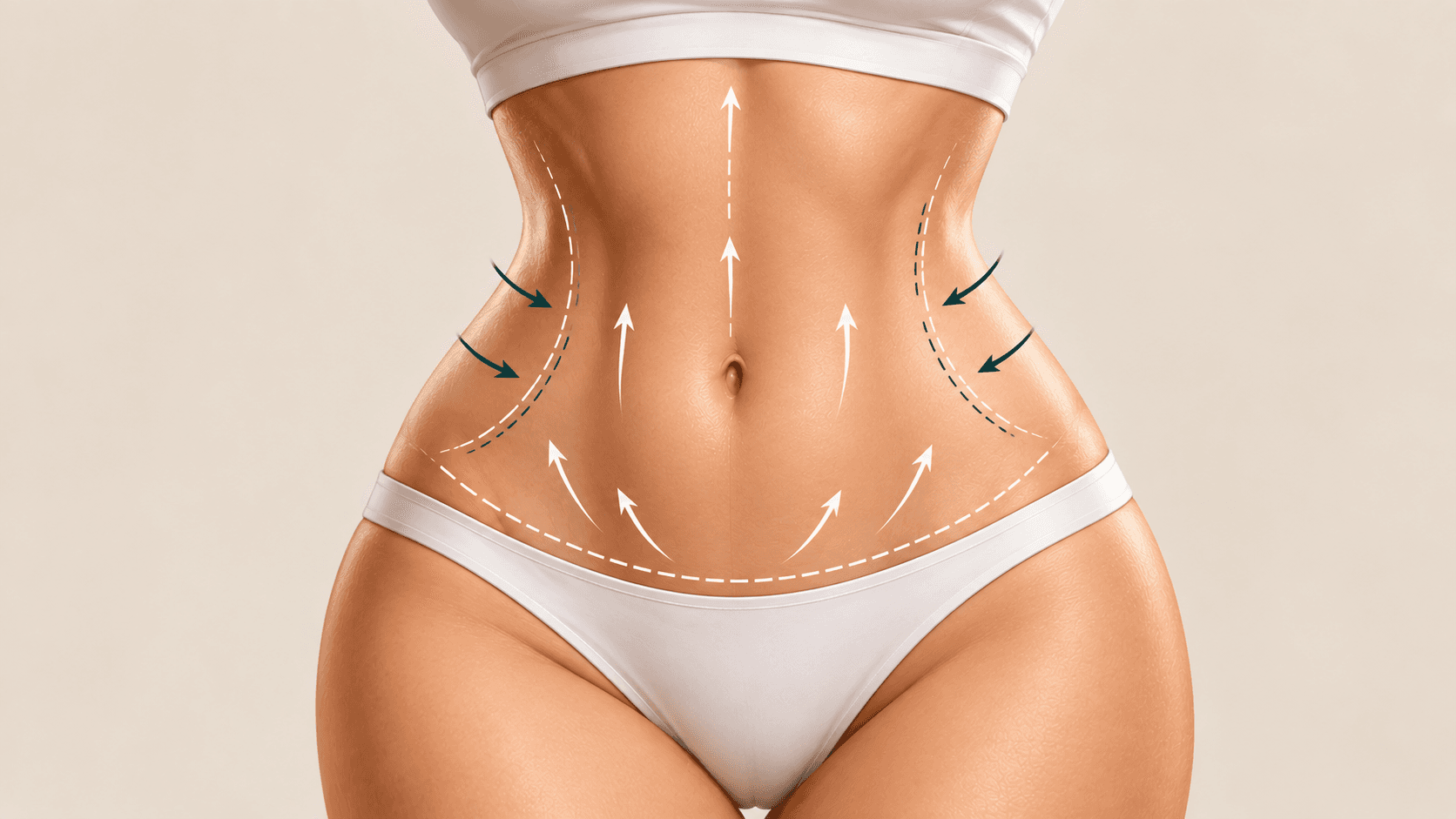
Abdominoplasty
Abdominoplasty, or tummy tuck, is a surgical procedure that removes excess abdominal skin and fat and can tighten the abdominal muscles. People often consider it after pregnancy or major weight loss.
Verified clinics: 0
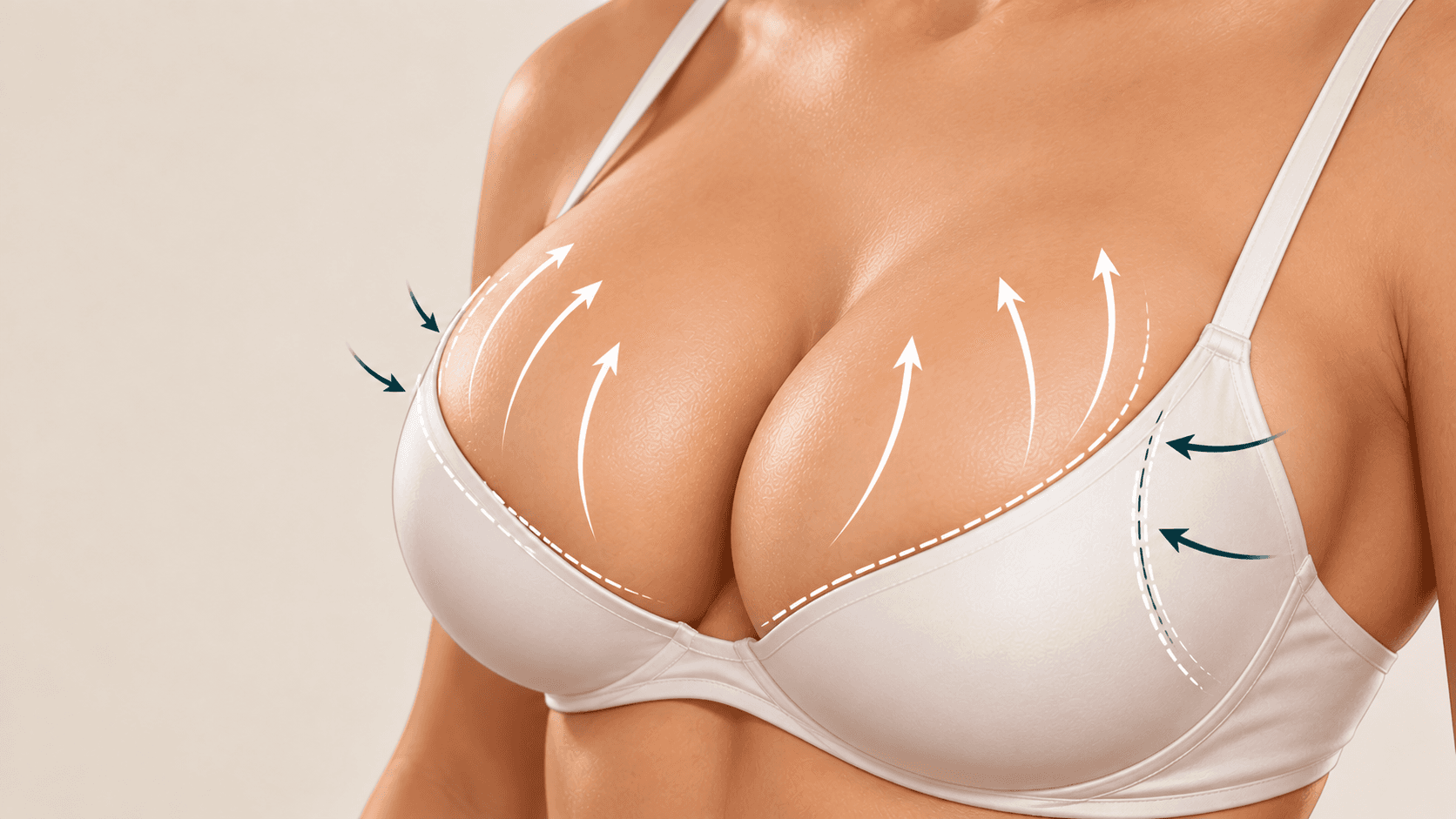
Breast augmentation
Breast augmentation is cosmetic surgery that uses implants or fat transfer to increase breast size, improve shape or symmetry, or restore lost volume. It is usually done under general anaesthesia.
Verified clinics: 0
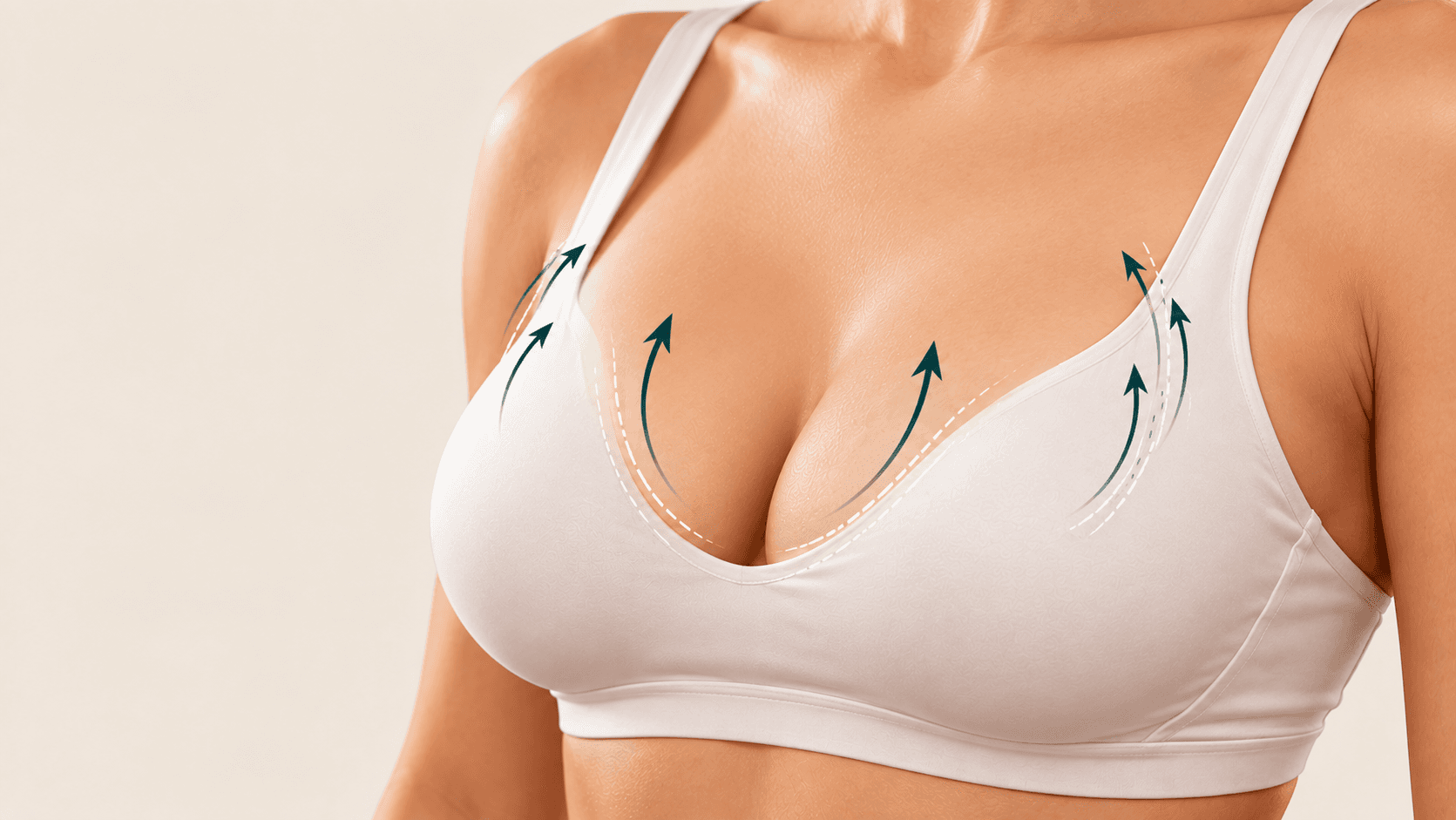
Breast lift
A breast lift (mastopexy) raises and reshapes sagging breasts by removing excess skin and repositioning the nipple. Compare verified clinics abroad and send one free request.
Verified clinics: 0
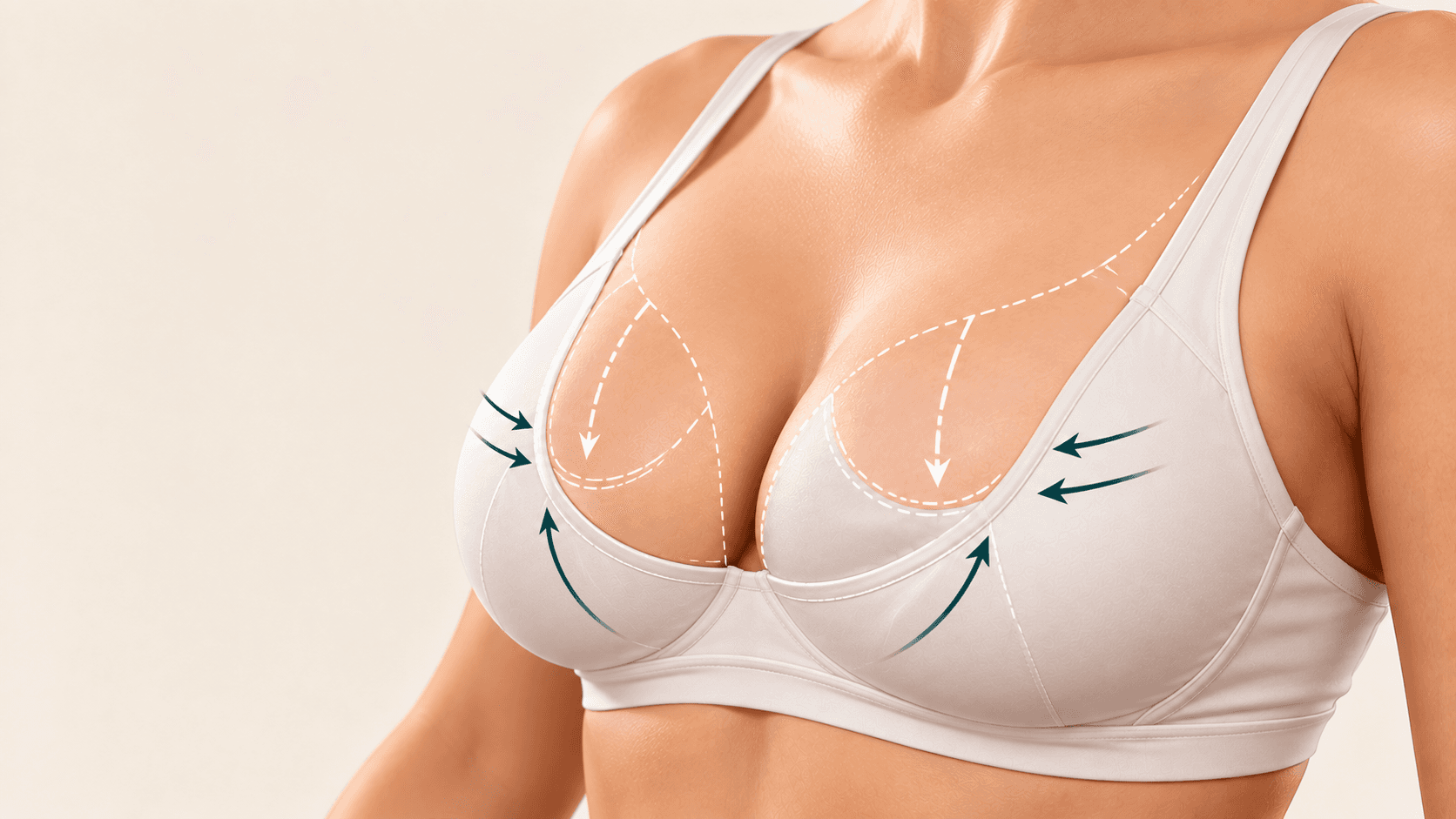
Breast reduction
Breast reduction is surgery to remove excess breast tissue, fat and skin, creating smaller, lighter breasts. It can help ease neck, back and shoulder discomfort and make everyday activities easier.
Verified clinics: 0
Facelift
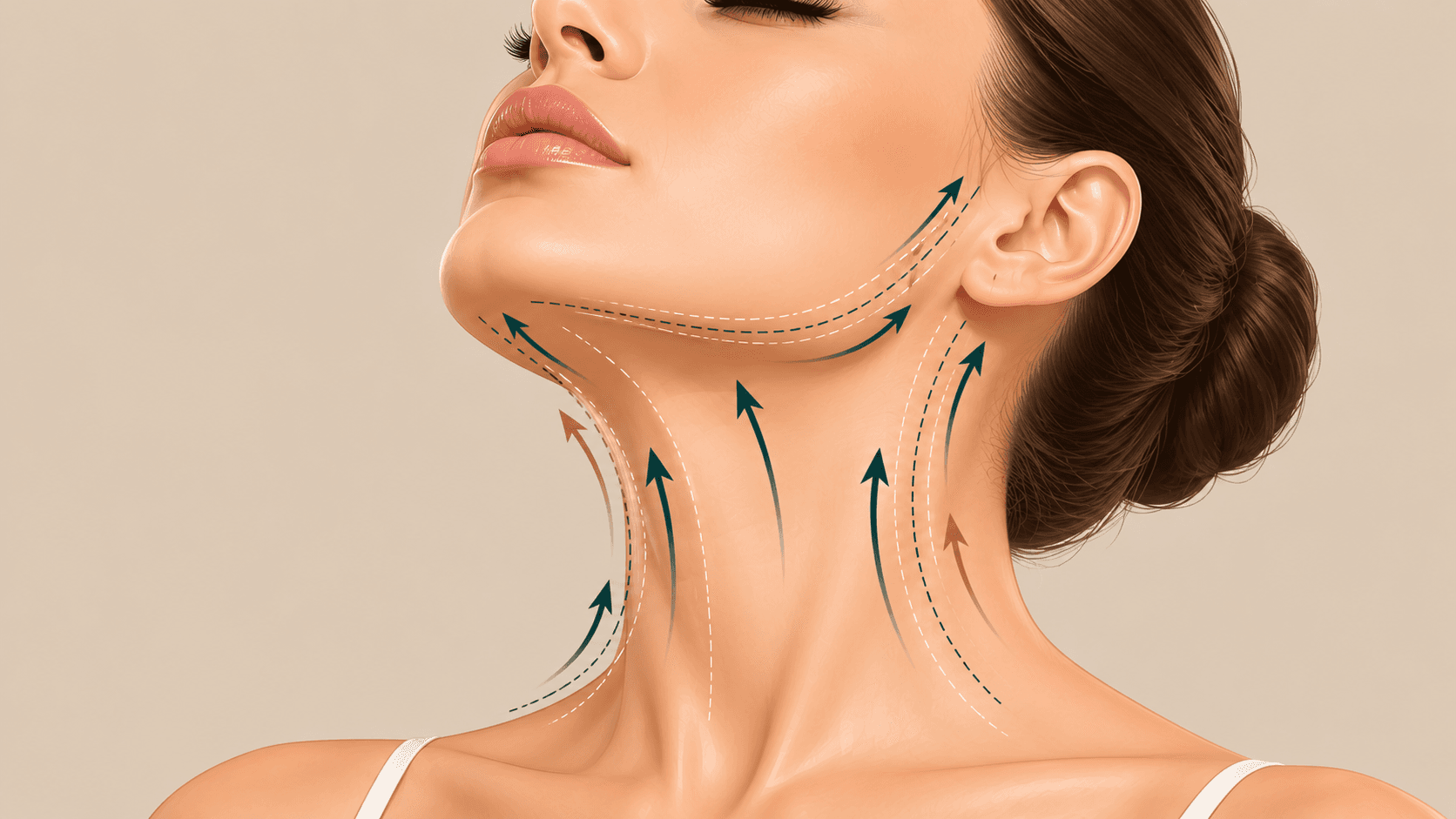
A facelift is a surgical procedure that lifts and tightens sagging skin and deeper tissues of the lower face and neck, aiming for a fresher, more rested look that still looks like you.
Verified clinics: 0
Rhinoplasty
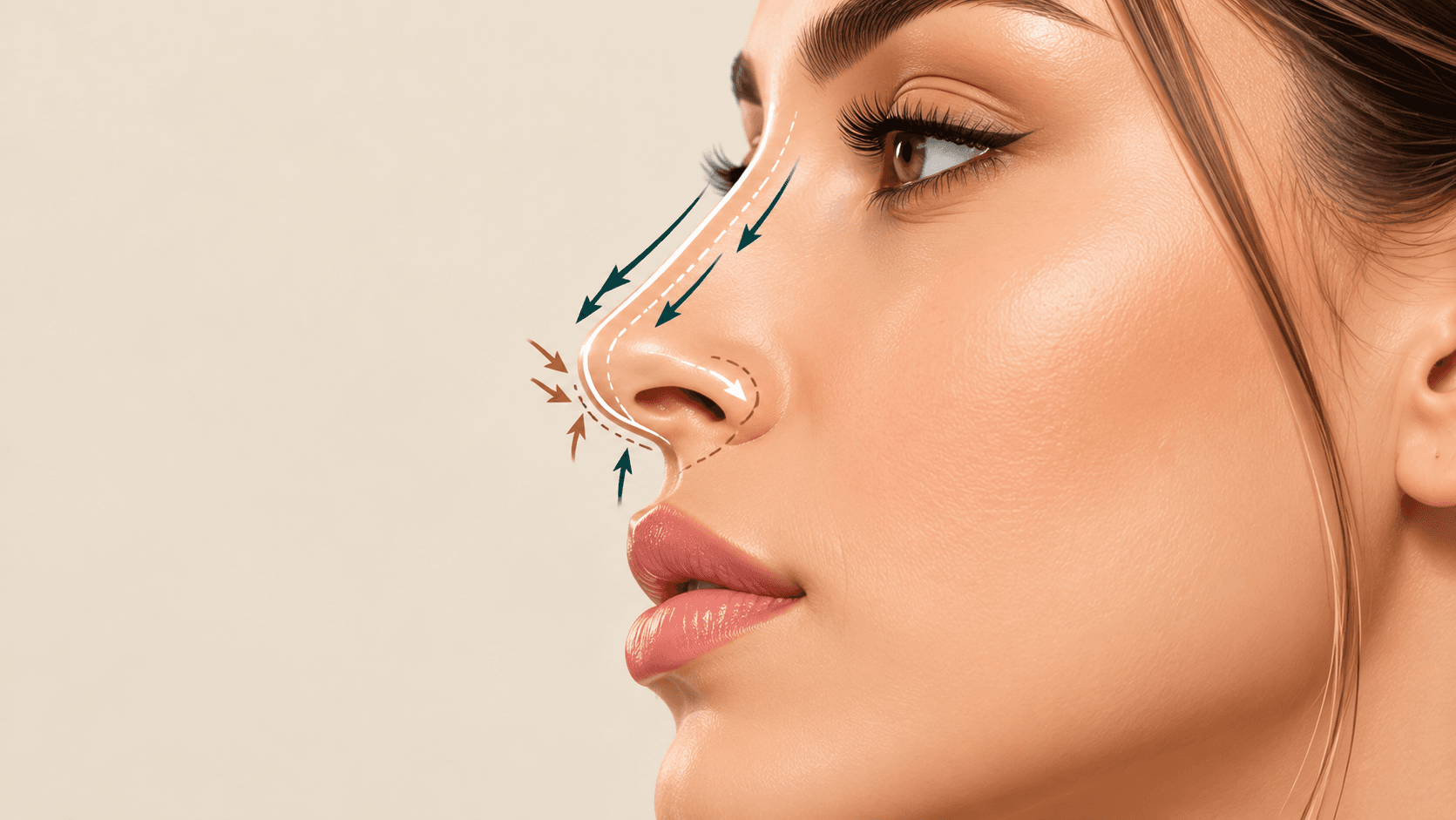
Rhinoplasty is surgery that reshapes the nose for cosmetic or medical reasons, such as refining the tip or bridge or improving breathing. Compare verified clinics and discuss your goals with the treating surgeon.
Verified clinics: 1