
A practical checklist for preparing for a facelift
A step-by-step checklist to get ready for a facelift: your consultation, medications and smoking, health checks, setting up your recovery space, travel plans and when to talk to your surgeon.
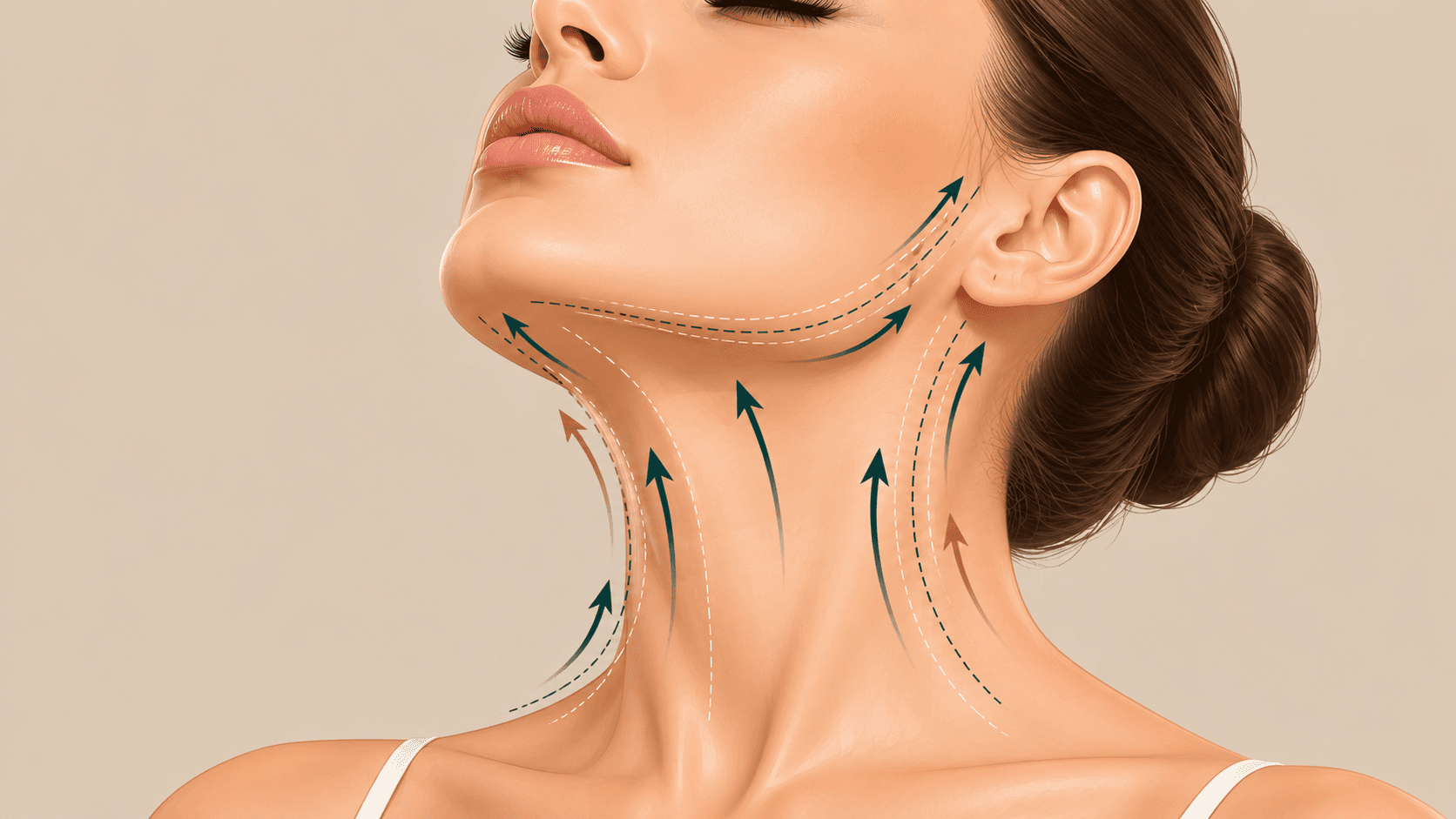
A facelift is a surgical procedure that lifts and tightens sagging skin and deeper tissues of the lower face and neck. The aim is a fresher, more rested look that still looks like you. Good preparation can make the weeks around surgery calmer and more organised. This guide takes you through preparing for a facelift step by step, from your first consultation to the night before your operation.
Everyone is different, and your surgeon's instructions always come first. Use this checklist to start conversations with your clinic. It doesn't replace medical advice.
Start with a thorough consultation
Preparation starts long before the day of surgery. At your consultation, your surgeon checks whether a facelift suits you and which technique fits your anatomy and goals. Options include a full facelift, a mini or short-scar facelift, a deep plane or SMAS approach, or a neck lift.
Before your consultation, it helps to gather:
- A list of your medical conditions, such as high blood pressure or diabetes
- All the medicines, vitamins, herbal remedies and supplements you take
- Details of past surgeries, how anaesthesia went for you and any allergies
- Notes on what bothers you most, such as jowls, deep folds between the nose and mouth, or loose skin on the neck
- Your questions, written down so you don't forget them in the moment
Be open about what you expect. A facelift aims for a natural, refreshed look. It doesn't stop ageing, and on its own it doesn't treat fine surface wrinkles, sun damage or skin texture. If those concern you, ask whether treatments like eyelid surgery, a brow lift, fat transfer or skin resurfacing could be done at the same time or planned separately.
Preparing for a facelift: medications, supplements and smoking
Some of the most important steps are about what goes into your body. Some medicines and supplements can affect bleeding or healing, so your surgeon may ask you to pause or change them before surgery. Never stop a prescribed medicine on your own. Always check with both the doctor who prescribed it and your surgeon.
Things to go over with your surgeon:
- Blood-thinning medicines and painkillers that can increase bleeding
- Herbal products and supplements, which are easy to forget but can matter
- Medicines for long-term conditions, and how to take them around surgery
- How much alcohol you drink before and after the operation
Smoking and nicotine need special attention. Nicotine can slow healing and is linked to wounds healing more slowly after a facelift. This covers cigarettes, vaping, nicotine patches and nicotine gum. Most surgeons ask patients to stop well before and after surgery. Ask yours exactly how long they advise, and be honest if you find it hard to quit.
Medical tests and getting your health in order
Your clinic will usually ask for tests before surgery to check that you are fit for anaesthesia. A facelift is usually done under general anaesthesia or under local anaesthesia with sedation. Which tests you need depends on your age, your health and the clinic's procedures.
To support your body before surgery:
- Keep existing conditions, such as high blood pressure, as well controlled as you can
- Eat balanced meals and drink enough water
- Sleep regularly in the weeks before surgery
- Tell your surgeon about any cold, infection or skin problem close to the date
- Ask whether to avoid certain skincare products or facial treatments beforehand
If you dye your hair or are planning a haircut, ask your surgeon about timing. The cuts are usually hidden around the ears and along the hairline. Some people like to keep their hair long enough to cover them while they heal.
Setting up your recovery space
Recovery usually happens in stages. First come swelling and bruising, then a gradual return to light daily activities, and then a longer period while the final result settles. Getting your home ready beforehand means you can focus on resting.
A simple recovery checklist:
- Extra pillows or a wedge pillow so you can keep your head raised
- Tops that button or zip up, so you don't have to pull clothes over your face
- Soft, easy-to-eat foods and drinks within reach
- Prescribed medicines and dressings picked up in advance
- Cold packs, if your surgeon recommends them
- A phone charger, books or something to watch near your bed
- A trusted adult to drive you home and stay with you at first
Keep your time off work and social plans flexible, because healing time differs from person to person. Your surgeon can tell you what to expect about returning to work and exercise.
Travelling abroad for a facelift
If you are having surgery in another country, you need some extra practical planning. A facelift often involves a short hospital stay or one night of observation. After that come check-ups for dressing changes, removal of drains if any were used, and removal of stitches.
Before booking travel:
- Ask your surgeon how long they advise staying near the clinic before flying home
- Ask when it is safe to fly after your procedure
- Choose a quiet, comfortable place to stay close to the clinic
- Get written confirmation of what the package includes, such as tests, anaesthesia, hospital stay and check-ups
- Find out how aftercare and questions will be handled once you are home
- Think about bringing someone with you for support
Ask for a clear, written breakdown of costs before you commit. Prices vary widely between countries and clinics, depending on the technique, how much surgery is done and what is included.
The final days before surgery
As the date gets closer, your clinic will give you specific instructions. Points to confirm often include:
- When to stop eating and drinking before anaesthesia
- Whether to wash your hair with a particular product the night before
- Which medicines to take or skip on the morning of surgery
- Whether to arrive without make-up, jewellery, contact lenses or nail polish
- What to wear and what to bring if you are staying overnight
Pack a small bag with comfortable clothes, your documents and a list of your medicines. Go over the risks with your surgeon once more as well. Swelling, bruising, tightness and temporary numbness are common. Less common problems include bleeding under the skin (haematoma), infection, visible scarring, nerve injury, hair loss near the cuts, uneven results and risks from anaesthesia.
When to talk to your doctor
Contact your surgeon or clinic before surgery if:
- You get a cold, fever, infection or skin problem on your face
- You start any new medicine or supplement
- You're struggling to stop smoking or using nicotine
- Your health changes, for example new symptoms or different blood pressure readings
- You feel unsure or anxious about any part of the plan
Suitability, recovery and risks are different for everyone and should always be discussed with the treating doctor. It is completely reasonable to ask for more time or a second consultation before you decide.
When you feel ready to look at your options, you can compare verified clinics, read about how they work and send one free request. The clinics then contact you to talk about what you need. You can learn more about the procedure on our facelift treatment page and take your time choosing a clinic that feels right for you.