
Getting PRP treatment abroad: how to choose a clinic and plan your trip
Thinking about PRP treatment abroad? Learn what to look for in a clinic, which questions to ask, and how to plan your travel, sessions and aftercare so your trip feels calm and well organised.
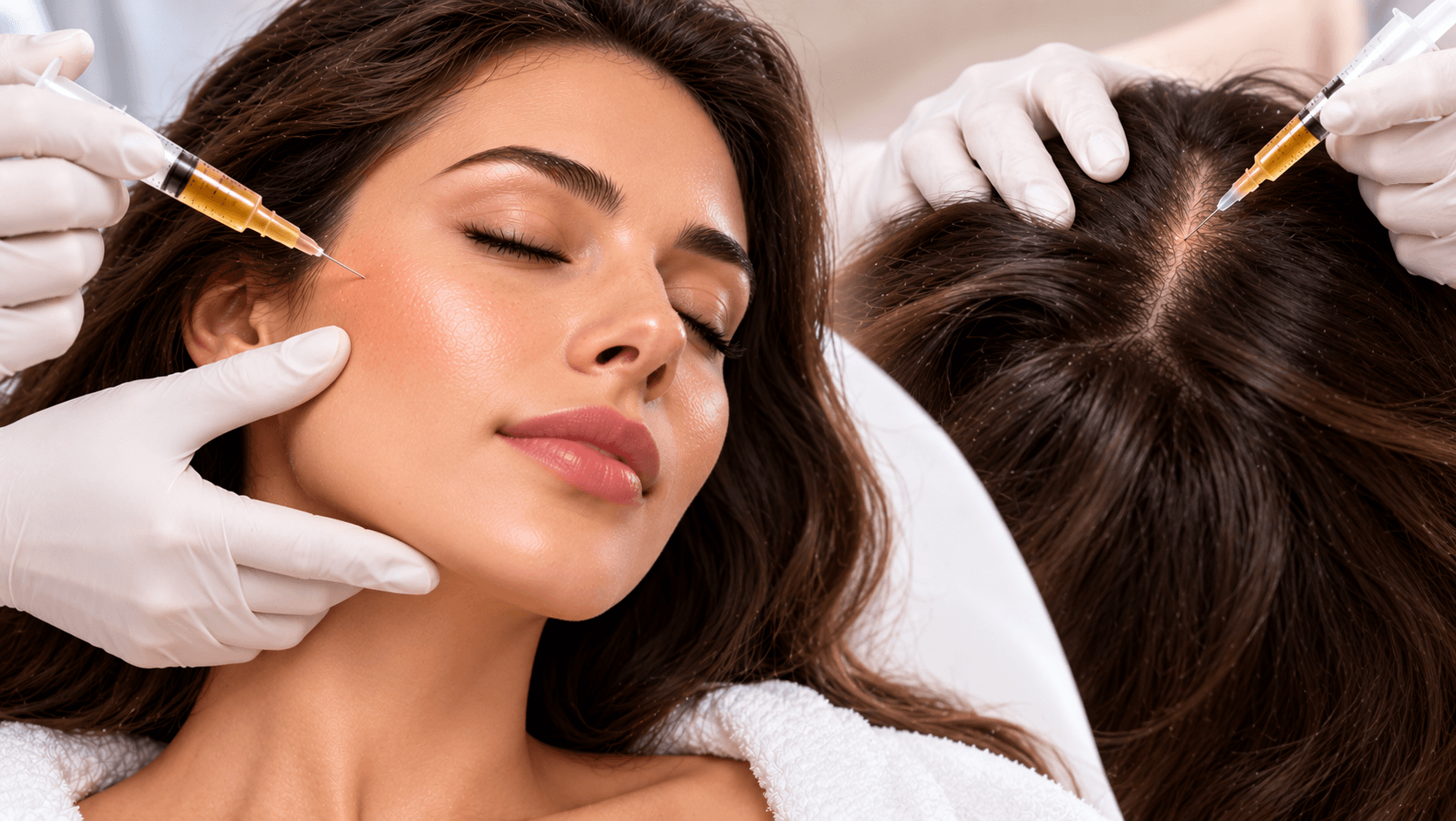
More and more people are looking into PRP treatment abroad, whether they want to combine treatment with a trip or simply have more clinics to choose from. PRP (platelet-rich plasma) is a non-surgical procedure that uses a small sample of your own blood to support skin quality or some types of hair thinning. Because it is usually done as an outpatient treatment, it can fit into a trip quite easily. Even so, good planning makes a real difference. This guide covers how to choose a clinic, what to ask, and how to organise your travel around treatment and recovery.
What PRP treatment involves
Knowing the basics helps you plan your time and ask better questions. PRP treatment follows a few clear steps:
- Consultation: a doctor reviews your health, your goals and the area to be treated
- Blood draw: a small amount of blood is taken from your arm, much like a routine blood test
- Preparation: the blood is spun in a centrifuge to concentrate the platelets
- Numbing: a numbing cream or local anaesthetic is applied to make the treatment more comfortable
- Application: the plasma is injected with fine needles or applied with microneedling
General anaesthesia is not normally used and no hospital stay is needed, so most people go home the same day. PRP is commonly used for skin texture, fine lines, acne scars, the under-eye area and early hair thinning. It is often planned as a series of sessions, and that matters a lot when you are travelling.
Is PRP treatment abroad right for you?
PRP may suit healthy adults who want a non-surgical option for skin quality or early hair thinning. Still, suitability always depends on your medical history and an assessment by a qualified doctor.
Doctors are usually more careful, or may advise against PRP, if you have:
- A blood or platelet disorder
- An active skin infection in the treatment area
- Certain types of cancer
- A pregnancy
- A prescription for certain blood-thinning medicines
Before you book anything, think about the practical side too. Can you return for more sessions, or would you rather stay longer in one place? Would you be comfortable with follow-up care partly handled at home? Honest answers to these questions help you decide whether going abroad suits you.
How to choose a clinic for PRP treatment abroad
The right clinic is one where qualified medical professionals carry out or supervise the treatment, and where communication is clear from the very first contact. Take your time comparing options instead of deciding on price alone.
Useful questions to ask each clinic:
- Who will perform the treatment, and what are their qualifications?
- How is the plasma prepared, and are sterile, single-use materials used where appropriate?
- How many sessions do they suggest for your goals, and how far apart?
- What aftercare do they offer, including support once you are back home?
- What exactly is included in the price, and are there any extra costs?
- Can you have the consultation remotely before travelling?
Pay attention to how the clinic answers, too. Clear, patient replies that explain both benefits and limitations are a good sign. Be wary of any clinic that promises particular results, pushes you to decide quickly or avoids talking about risks.
Understanding quotes and costs
The cost of PRP treatment varies widely between countries and clinics, and only a clinic can confirm a price after assessing you. It depends on things such as:
- The area treated, for example the face, under-eye area, neck or scalp
- The number of sessions recommended
- Whether PRP is combined with treatments like microneedling
- The preparation system and equipment used
- The team's experience and the clinic's location
Remember to budget for flights, accommodation, local transport and any follow-up visits. Ask each clinic for a written quote that lists what is included, so you can compare offers fairly.
Planning your trip around PRP sessions
Because PRP is often done as a series, the number of sessions and the gap between them will shape your travel plans. Talk this through with the clinic before you book flights.
Some points to consider:
- Session plan: ask whether the sessions can fit into one stay, or whether you would need several trips
- Arrival timing: leave time for the consultation before your first session rather than going straight from the airport
- Buffer days: plan a little extra time after treatment in case of redness or swelling, before flying or heading to events
- Medicines: tell the clinic in advance about all medicines and supplements you take, as some may need to be discussed beforehand
- Documents: bring a summary of your medical history and any relevant test results
- Language: check that you can communicate comfortably with the medical team, or arrange interpretation
If you want to enjoy some sightseeing, plan it carefully. After treatment you will often be advised to avoid strong sun, saunas and intense exercise for a short time, so a relaxed schedule usually works better than a packed one.
Recovery and aftercare when travelling
Recovery is usually straightforward but differs from person to person. Many people notice temporary redness, mild swelling or tenderness that tends to settle over the following days. Bruising at the injection or blood-draw site is also possible, and scalp treatment can cause mild headache or tenderness.
General aftercare advice often includes:
- Avoiding make-up, intense exercise, saunas and strong sun, as advised
- Not washing or touching the treated area too soon, especially the scalp
- Using gentle skincare and sun protection
- Checking with your doctor before taking anti-inflammatory painkillers
Any changes usually develop gradually rather than straight away, because PRP works with the body's own processes. Some people see little visible change. Before you leave, make sure you know who to contact with questions and how follow-up will be handled.
When to talk to a doctor
Speak to a doctor before booking if you have any ongoing health conditions, take blood-thinning medicines or are pregnant or planning a pregnancy. Your treating doctor should explain your individual risks, likely number of sessions and what to realistically expect.
After treatment, seek medical advice promptly, whether you are still abroad or back home, if you notice:
- Increasing pain, swelling or warmth in the treated area
- Signs of infection, such as pus or fever
- Redness or irritation that does not settle
- Any change in sensation that worries you
It can help to let your local doctor know about your plans, so they can support you with follow-up care if needed.
Next steps
Planning PRP treatment abroad is much easier when you can see your options side by side. You can explore the PRP treatment page to compare verified clinics and send one free request. Clinics then contact you to discuss your goals, answer your questions and suggest a plan that suits you, so you can decide at your own pace.