
Thigh Lift Abroad: How to Choose a Clinic and Plan Your Trip
Thinking about a thigh lift abroad? This guide covers how to check surgeons, compare quotes, plan time for recovery and travel, and what to ask before you decide.
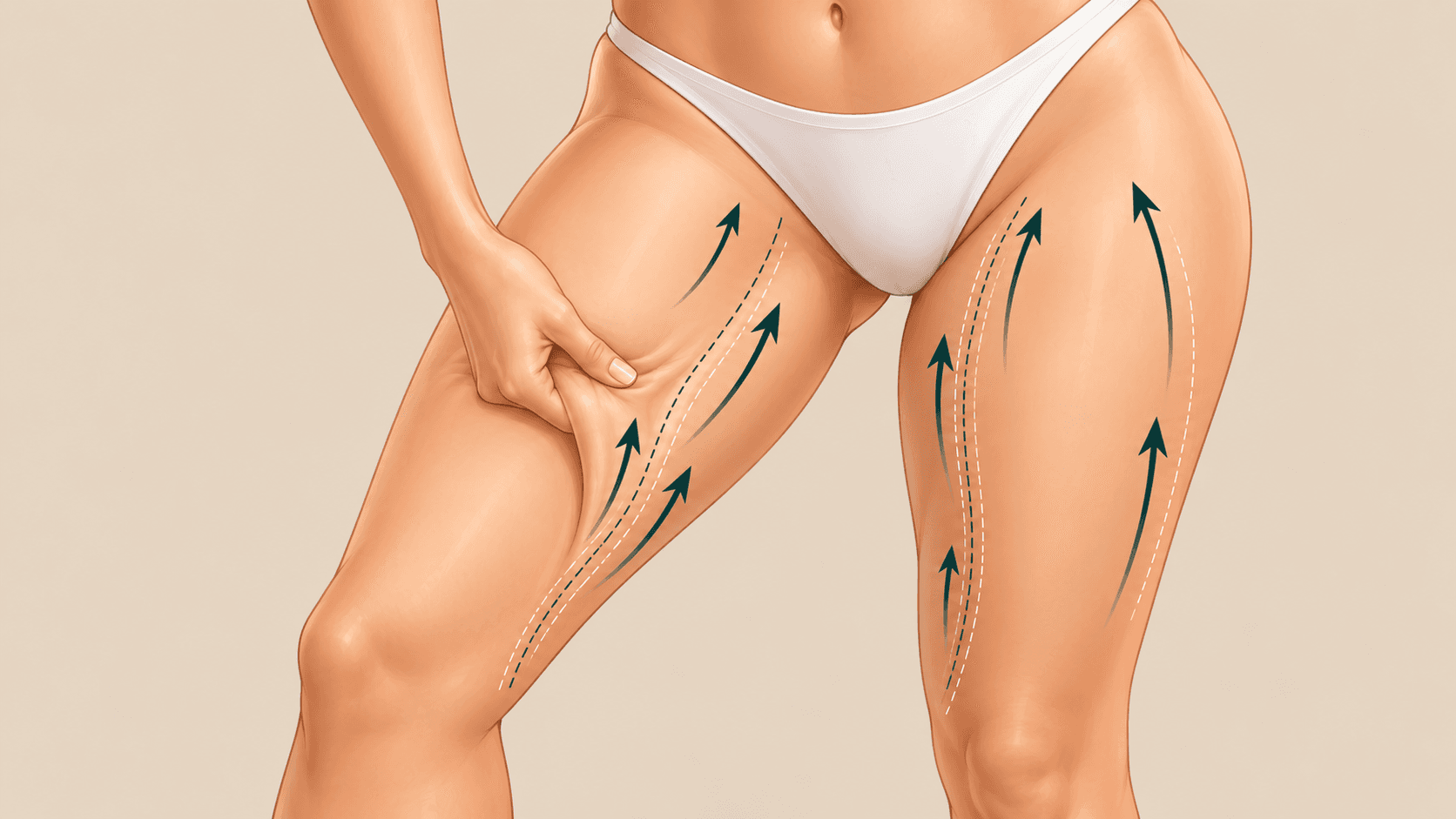
Loose, sagging skin on the thighs can be frustrating, especially after a lot of hard work to lose weight. Many people now look into a thigh lift abroad to find more options and better access to experienced surgeons. Travelling for surgery can work well, but it needs careful planning. This guide explains what the procedure involves, how to judge a clinic and how to plan your trip so you can recover safely and calmly.
What a thigh lift can and cannot do
A thigh lift, also called thighplasty, is a plastic surgery procedure. The surgeon removes excess skin and some fat from the inner, outer or front of the thighs and tightens the remaining tissue. People often consider it after major weight loss, or when skin has lost its firmness with age and diet and exercise no longer help.
It is important to keep your expectations realistic:
- A thigh lift reshapes contours, but it is not a weight-loss treatment
- It always leaves scars, although surgeons try to place them where they are less visible
- Results depend on your skin quality, your general health and how stable your weight stays afterwards
The surgery is usually done under general anaesthesia. Depending on the technique, the surgeon may make an incision in the groin crease (inner thigh lift), around the hip (outer thigh lift) or use a shorter incision for milder laxity (mini thigh lift). Liposuction is sometimes added to refine the shape.
Is a thigh lift abroad right for you?
Suitable candidates are generally healthy adults with loose thigh skin and a weight that has been stable for some time. You may be a good match if you have lost a lot of weight, are close to a weight you can maintain, do not smoke or are willing to stop, and understand that scars are part of the result.
Surgery may not be advised if you still plan to lose a lot of weight, have certain heart, lung or circulation problems, have had blood clots, or have a condition that affects wound healing. Only the treating surgeon can decide whether the operation suits you.
Before choosing to travel, think honestly about practical points too:
- Can you take enough time off work for surgery, early recovery and the journey home?
- Is there someone who can travel with you and help in the first days?
- Are you comfortable having your follow-up care partly at home and partly abroad?
How to choose a clinic for a thigh lift abroad
The most important choice is not the destination but the surgeon and the clinic. Look for a qualified plastic surgeon with experience in body contouring, and a clinic that gives you clear, honest information before you commit.
Questions worth asking each clinic:
- What are the surgeon's qualifications, and which professional societies do they belong to?
- How often does the surgeon perform thigh lifts or other body contouring procedures?
- Which technique do they suggest for you, and why?
- Will you have a consultation with the surgeon before the day of surgery, not only with a coordinator?
- What exactly is included in the price, and what is not?
- How is aftercare organised once you are back home?
- What happens if a complication appears after you return?
Ask for a written, itemised quote so you can compare like with like. The cost often depends on the type of lift, whether liposuction is combined, anaesthesia, the length of your hospital stay, pre-operative tests, compression garments, medication and follow-up visits. Travel, accommodation and any extra nights also add to the total.
Be cautious if a clinic promises specific results, pushes you to book quickly or cannot answer your questions clearly. A good clinic will welcome your questions and may even tell you that surgery is not right for you.
Planning your trip and recovery time
Recovery from a thigh lift happens in stages and is different for everyone. Most people have swelling, bruising, tightness and some discomfort at first, which usually eases gradually with rest, pain relief and compression garments.
In general terms, recovery involves:
- Early phase: rest, short walks to support circulation, compression garments and careful wound care
- Middle phase: a gradual return to light daily activities and, for many people, desk work
- Later phase: slowly returning to exercise once your surgeon agrees
- Long term: swelling keeps going down and scars fade and flatten over many months
When planning travel, keep these points in mind:
- Ask the surgeon how long you should stay near the clinic before flying home, as this depends on your own healing
- Plan flexible travel dates in case you need to stay a little longer
- Choose accommodation where you can rest comfortably and keep good hygiene, because groin incisions need careful care
- Discuss how to reduce the risk of blood clots during the journey, as long periods of sitting can be a concern
- Pack loose, comfortable clothing that does not press on the incisions
- Bring copies of your medical records and get a written summary of your surgery to take home
It also helps to tell your own doctor at home about your plans, so they can support your aftercare if needed.
Risks to understand before you travel
Like any surgery, a thigh lift carries risks, and wound healing problems are among the more common concerns. Possible risks include bleeding, fluid build-up (seroma), infection, wound separation, visible or widened scars, changes in skin sensation, asymmetry, blood clots, reactions to anaesthesia and leg swelling that may last for some time. Some people need a revision procedure.
Not smoking, keeping your weight stable and following aftercare instructions closely can help lower some risks, but no surgery is risk-free. Your surgeon should explain which risks apply to you and how they are managed.
When to talk to a doctor
Speak with a doctor before you book if you have a long-term health condition, take regular medication or have had blood clots or wound healing problems in the past. After surgery, contact your surgeon or a local doctor promptly if you notice increasing pain, redness, warmth or discharge from a wound, fever, wounds opening, sudden swelling or pain in one leg, or shortness of breath or chest pain. Recovery, risks and suitability differ from person to person, so always follow the advice of your treating doctor.
Compare verified clinics and take your time
Choosing where to have surgery is a personal decision, and it is worth taking your time. On our site you can compare verified clinics, read about their surgeons and services, and send one free request. Interested clinics will then contact you, so you can ask your questions and decide at your own pace. Learn more on our thigh lift treatment page.