
Compare verified clinics for a thigh lift abroad
A thigh lift removes excess skin and some fat from the inner or outer thighs to tighten and reshape them, often after major weight loss. Compare verified clinics abroad and send one free request.
About Thigh lift
A thigh lift (thighplasty) is a plastic surgery procedure that removes excess skin and some fat from the thighs and tightens the remaining tissue. It is most often considered after major weight loss or age-related skin laxity, when exercise and diet cannot tighten loose skin. It reshapes contours but is not a weight-loss treatment.
Key facts
- Treats loose, sagging skin on the inner, outer or front of the thighs
- Done by removing excess skin through incisions, sometimes combined with liposuction
- Usually performed under general anaesthesia
- Some patients go home the same day, others stay in hospital overnight or a little longer
- Recovery moves from an early phase of rest and compression garments to a gradual return to normal activity over the following weeks and months
Who is a suitable candidate for a thigh lift?
Good candidates are generally healthy adults with loose thigh skin whose weight has been stable for some time. Your surgeon will assess your health, skin quality and expectations before deciding whether surgery makes sense for you.
People who are often considered include those who:
- Have lost a large amount of weight and are left with hanging skin
- Have skin laxity on the thighs due to ageing or genetics
- Are close to a weight they can maintain
- Do not smoke, or are willing to stop before and after surgery
- Have realistic expectations about scars and results
A thigh lift may not be advised if you plan to lose much more weight, have certain heart, lung or circulation problems, have a history of blood clots, or have conditions that affect wound healing. Only the treating doctor can decide whether it is suitable for you.
How is a thigh lift done?
The surgeon makes incisions in places chosen to be as discreet as possible, removes the excess skin and fat, then tightens and closes the remaining tissue. The exact technique depends on which area of the thigh is treated and how much skin needs to be removed.
Common approaches include:
- Inner (medial) thigh lift: an incision in the groin crease, sometimes extending down the inner thigh towards the knee when there is a lot of loose skin
- Outer (lateral) thigh lift: an incision that usually starts in the groin and runs around the hip, sometimes as part of a lower body lift
- Mini thigh lift: a shorter incision for milder laxity in the upper inner thigh
Liposuction is sometimes combined with the lift to refine the shape. Drains may be placed to remove fluid, and stitches or surgical glue close the wounds. How long the operation takes depends on the technique and on whether other procedures are done at the same time.
What is recovery like after a thigh lift?
Recovery happens in stages and differs from person to person. Most patients feel swelling, bruising, tightness and some discomfort at first, which usually settles gradually with rest, pain relief and compression garments.
In general terms, recovery involves:
- Early phase: rest, short walks to support circulation, wearing compression garments and caring for wounds as instructed
- Middle phase: a gradual return to light daily activities and, for many people, desk work
- Later phase: a slow return to exercise and more demanding activities once your surgeon agrees
- Long term: swelling continues to go down and scars slowly fade and flatten over many months
During recovery, avoid sitting or bending in ways that strain the incisions, and follow your surgeon's advice on hygiene, as groin incisions need careful care. If you travel abroad, ask how long you should stay near the clinic before flying home, because this depends on your individual healing.
What are the risks and side effects of a thigh lift?
Like any surgery, a thigh lift carries risks, and wound healing problems are among the more common concerns in this area. Your surgeon should explain the risks that apply to you and how they are reduced.
Possible risks and side effects include:
- Bleeding, bruising and fluid build-up (seroma)
- Infection or delayed wound healing, especially near the groin
- Wound separation along the incision
- Visible or widened scars, or scars that shift position
- Changes in skin sensation or numbness
- Asymmetry or contour irregularities
- Blood clots in the legs or lungs
- Reactions to anaesthesia
- Swelling of the legs that may last for some time
Not smoking, keeping a stable weight and following aftercare instructions can help lower some risks, but no surgery is risk-free. Some people need a revision procedure.
What affects the cost of a thigh lift?
The cost depends on the type of lift, the amount of tissue removed, the country and clinic, and what is included in the package. Ask each clinic for a written, itemised quote so you can compare like with like.
Factors that often influence the price:
- Inner, outer, mini or extended technique
- Whether liposuction or other procedures are combined
- Surgeon's experience and clinic facilities
- Anaesthesia and length of hospital stay
- Pre-operative tests and consultations
- Compression garments, medication and follow-up visits
- Travel, accommodation and any extra nights you need to stay
How do I choose a clinic abroad for a thigh lift?
Choose a clinic where a qualified plastic surgeon has experience with body contouring, and where you get clear information before you decide. Take your time and compare several options.
Useful questions to ask:
- What are the surgeon's qualifications and memberships of professional societies?
- How many thigh lifts or body contouring procedures does the surgeon perform?
- Which technique do they recommend for you, and why?
- What is included in the price, and what is not?
- How is aftercare organised once you return home?
- What happens if a complication or revision is needed?
An online or in-person consultation, where you share your medical history and photos, helps the surgeon judge whether the procedure is suitable for you.
Compare clinics and get advice
On our platform you can compare verified clinics offering a thigh lift and send one free request. Clinics then contact you with information and next steps. Your treating doctor will decide what is suitable for you after reviewing your health and goals.
This page gives general information and is not medical advice. A doctor at the clinic will assess whether a treatment is right for you.
Clinics offering Thigh lift

No verified clinics offer this treatment yet.
Frequently asked questions
Will a thigh lift leave a scar?
Yes, every thigh lift leaves a scar, because skin has to be removed and the edges stitched together. Surgeons try to place incisions where clothing or underwear can usually cover them, such as the groin crease. How a scar looks depends on your skin, your genetics and how it heals. Scars usually change over many months, so ask your surgeon how to care for yours.
Can liposuction replace a thigh lift?
Liposuction removes fat but does not tighten loose skin. If your skin still has good elasticity, liposuction alone may be enough to improve shape. If skin is sagging, for example after major weight loss, removing fat on its own can make the looseness look worse. Many surgeons combine the two methods. A consultation is needed to decide which approach, if any, fits your situation.
How soon can I fly home after a thigh lift abroad?
There is no single answer, because it depends on your health, the extent of surgery and how you are healing. Flying soon after surgery can raise the risk of blood clots, so surgeons usually want you to stay nearby for follow-up checks first. Ask the clinic in advance how long they recommend staying, and whether they advise compression stockings or other precautions for the flight.
Should I lose weight before having a thigh lift?
Surgeons generally prefer that your weight has been stable for some time before a thigh lift. If you plan to lose a lot more weight, it is usually better to wait, since later weight changes can affect the result and may leave new loose skin. Your doctor can discuss what a stable, realistic weight means for you and when timing makes sense.
Can a thigh lift be combined with other procedures?
A thigh lift is sometimes combined with liposuction, a tummy tuck, a buttock lift or an arm lift, especially after major weight loss. Combining procedures can mean one recovery period, but it may also mean a longer operation and different risks. Whether combining is safe for you depends on your overall health, and your surgeon may suggest staging procedures over separate operations instead.
Related treatments
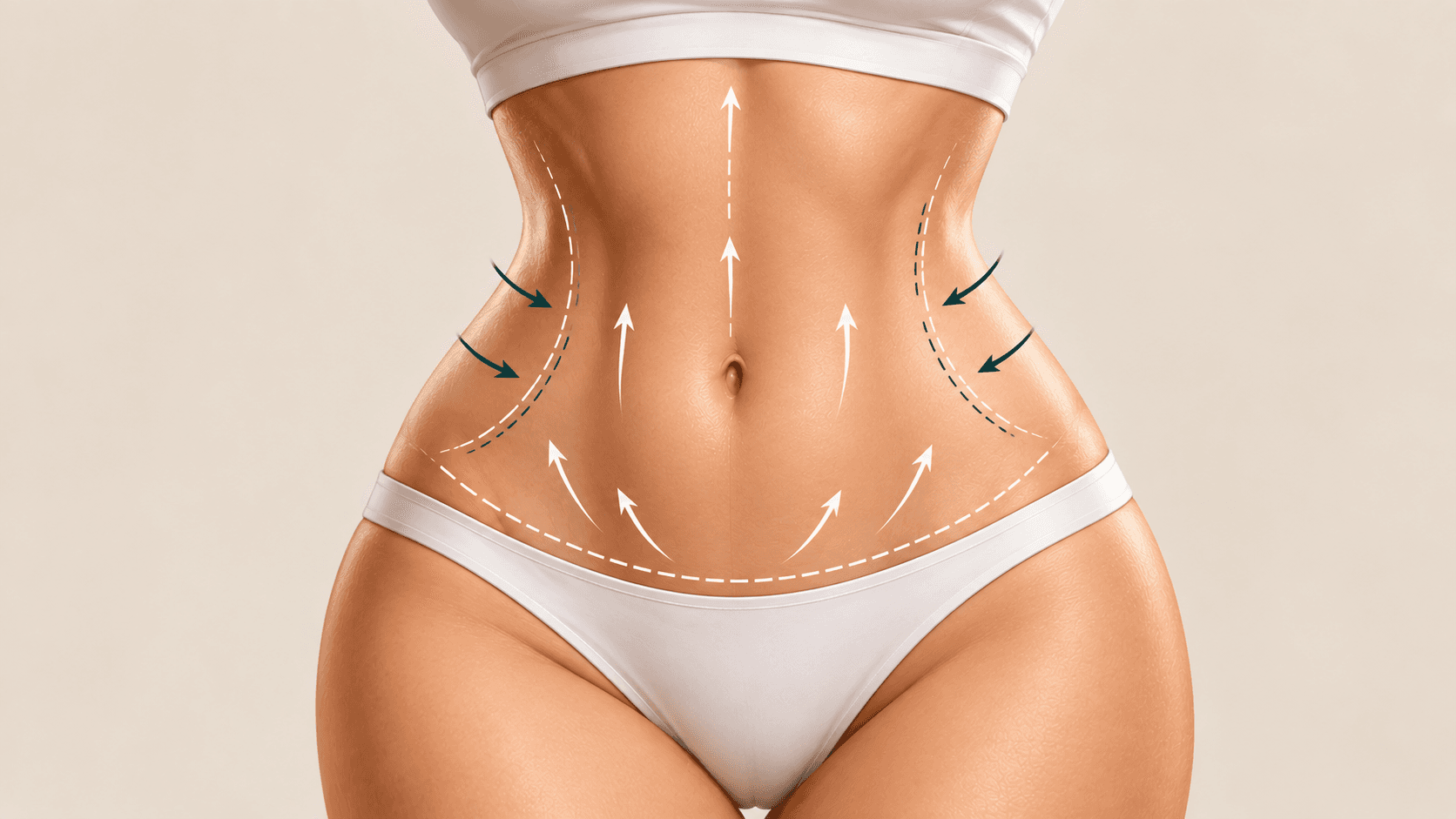
Abdominoplasty
Abdominoplasty, or tummy tuck, is a surgical procedure that removes excess abdominal skin and fat and can tighten the abdominal muscles. People often consider it after pregnancy or major weight loss.
Verified clinics: 0
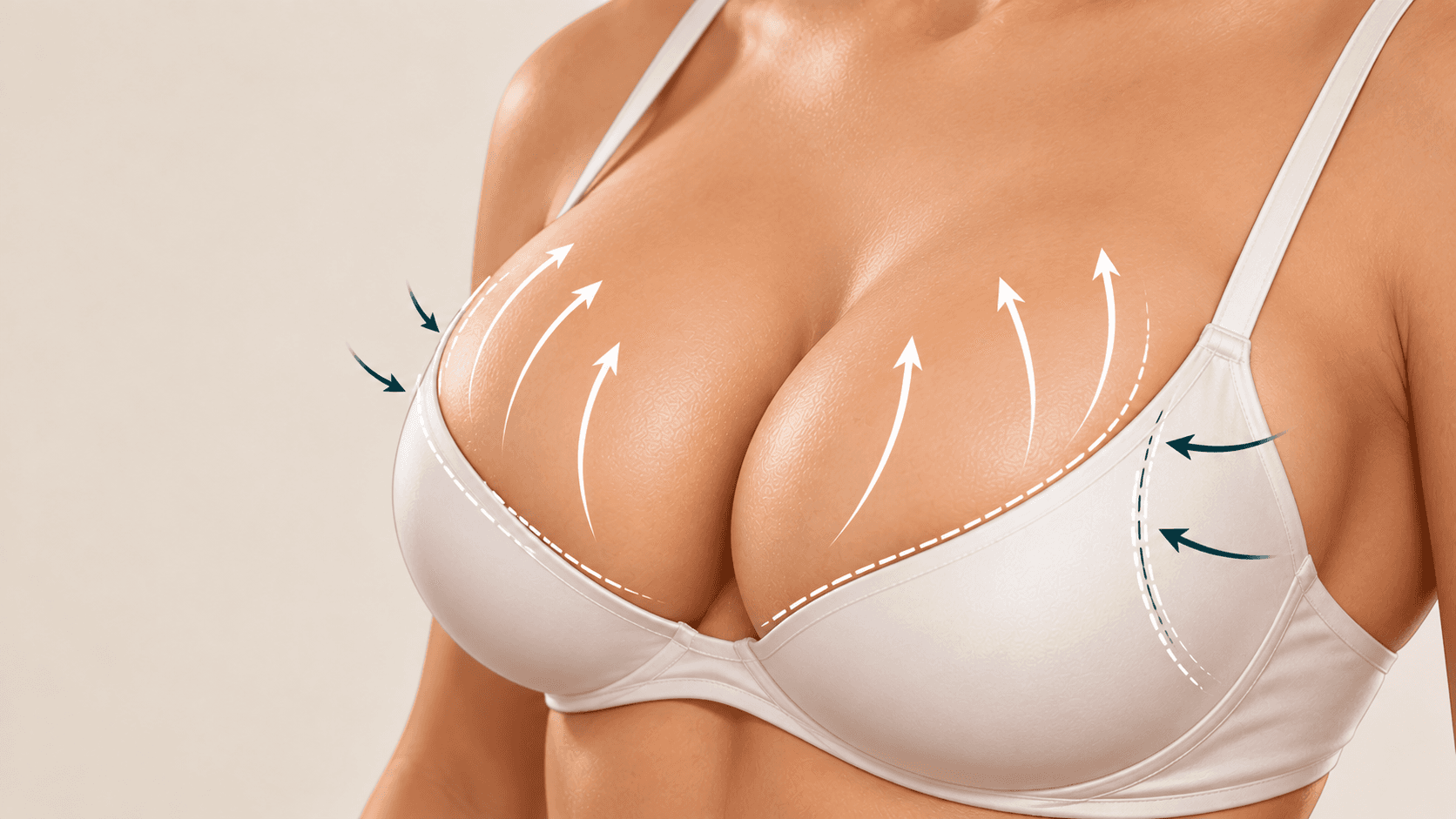
Breast augmentation
Breast augmentation is cosmetic surgery that uses implants or fat transfer to increase breast size, improve shape or symmetry, or restore lost volume. It is usually done under general anaesthesia.
Verified clinics: 0
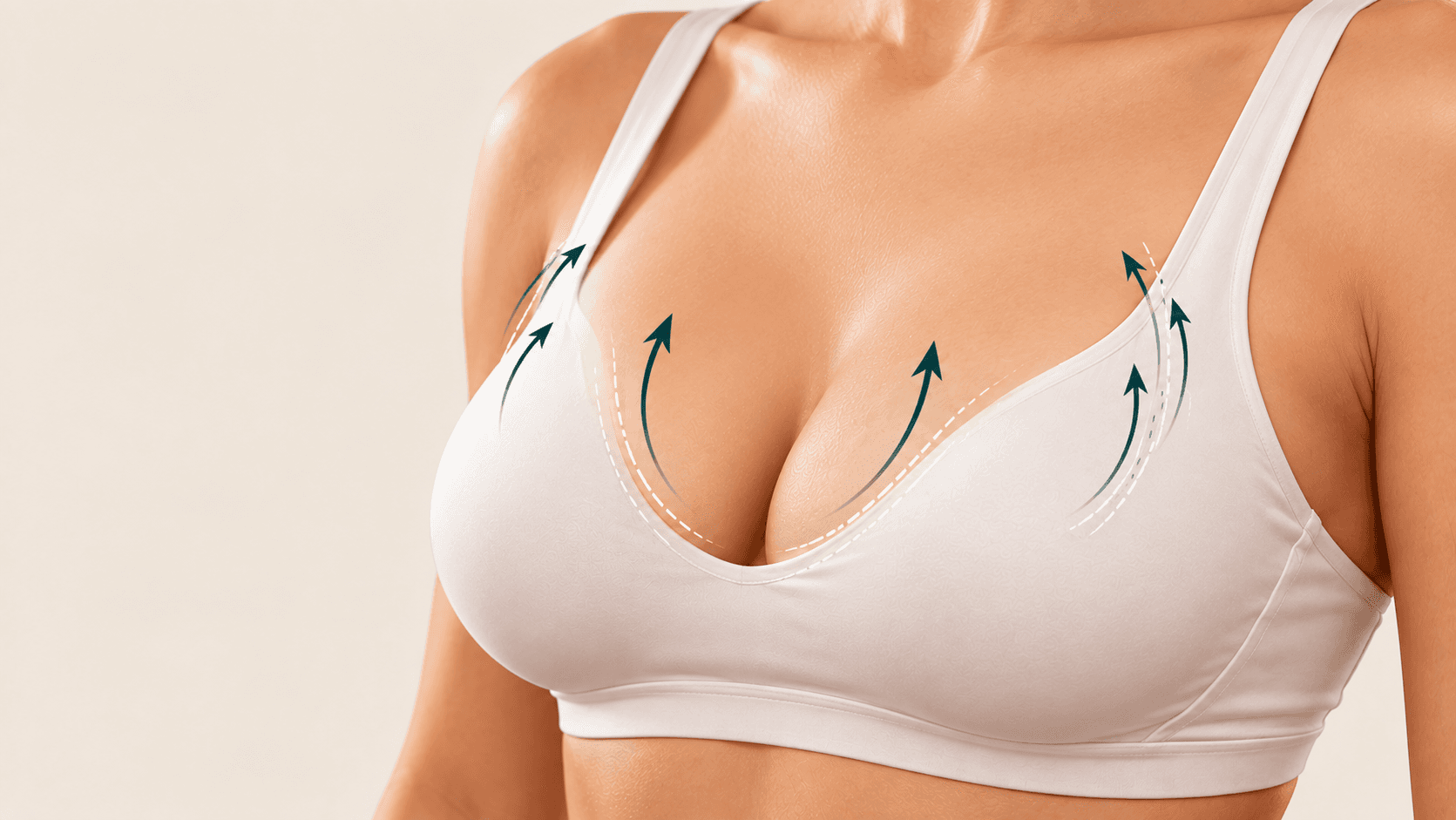
Breast lift
A breast lift (mastopexy) raises and reshapes sagging breasts by removing excess skin and repositioning the nipple. Compare verified clinics abroad and send one free request.
Verified clinics: 0
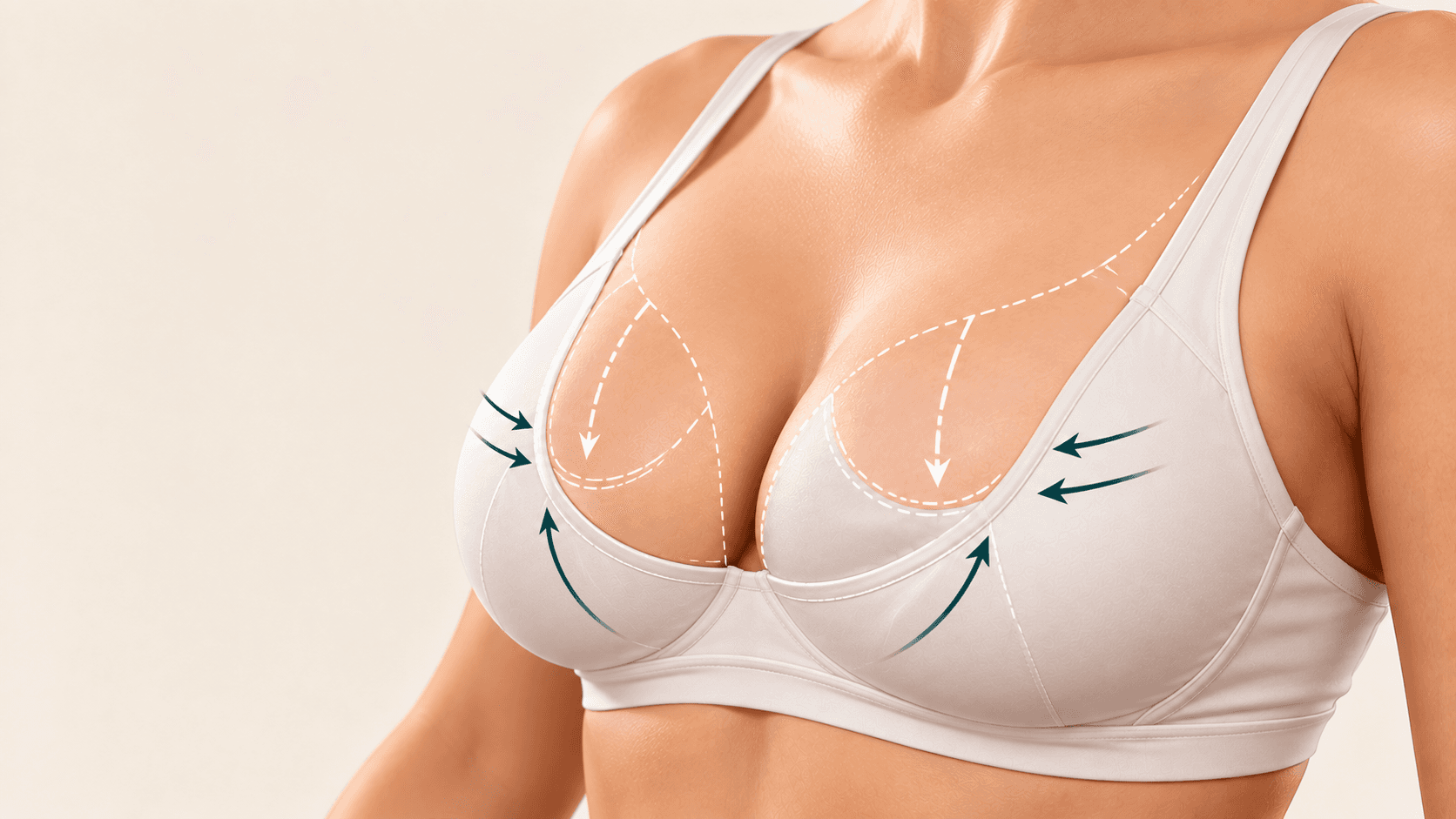
Breast reduction
Breast reduction is surgery to remove excess breast tissue, fat and skin, creating smaller, lighter breasts. It can help ease neck, back and shoulder discomfort and make everyday activities easier.
Verified clinics: 0
Facelift
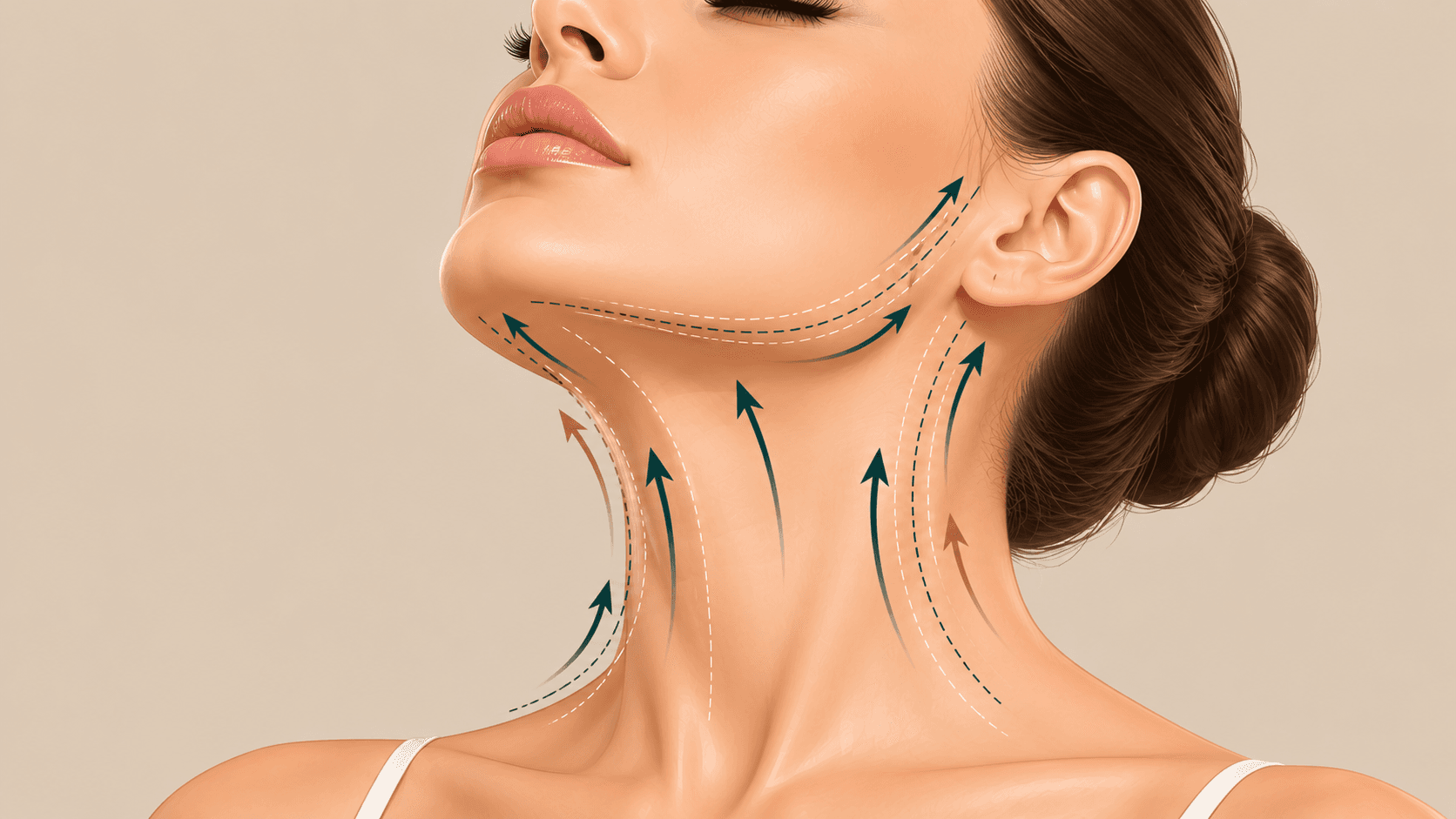
A facelift is a surgical procedure that lifts and tightens sagging skin and deeper tissues of the lower face and neck, aiming for a fresher, more rested look that still looks like you.
Verified clinics: 0

Rhinoplasty
Rhinoplasty is surgery that reshapes the nose for cosmetic or medical reasons, such as refining the tip or bridge or improving breathing. Compare verified clinics and discuss your goals with the treating surgeon.
Verified clinics: 1