
Thigh Lift Recovery: What to Expect Week by Week
Thigh lift recovery happens in stages, from rest and compression garments to a slow return to exercise. Here is a general guide to what many patients go through and what to ask your surgeon.
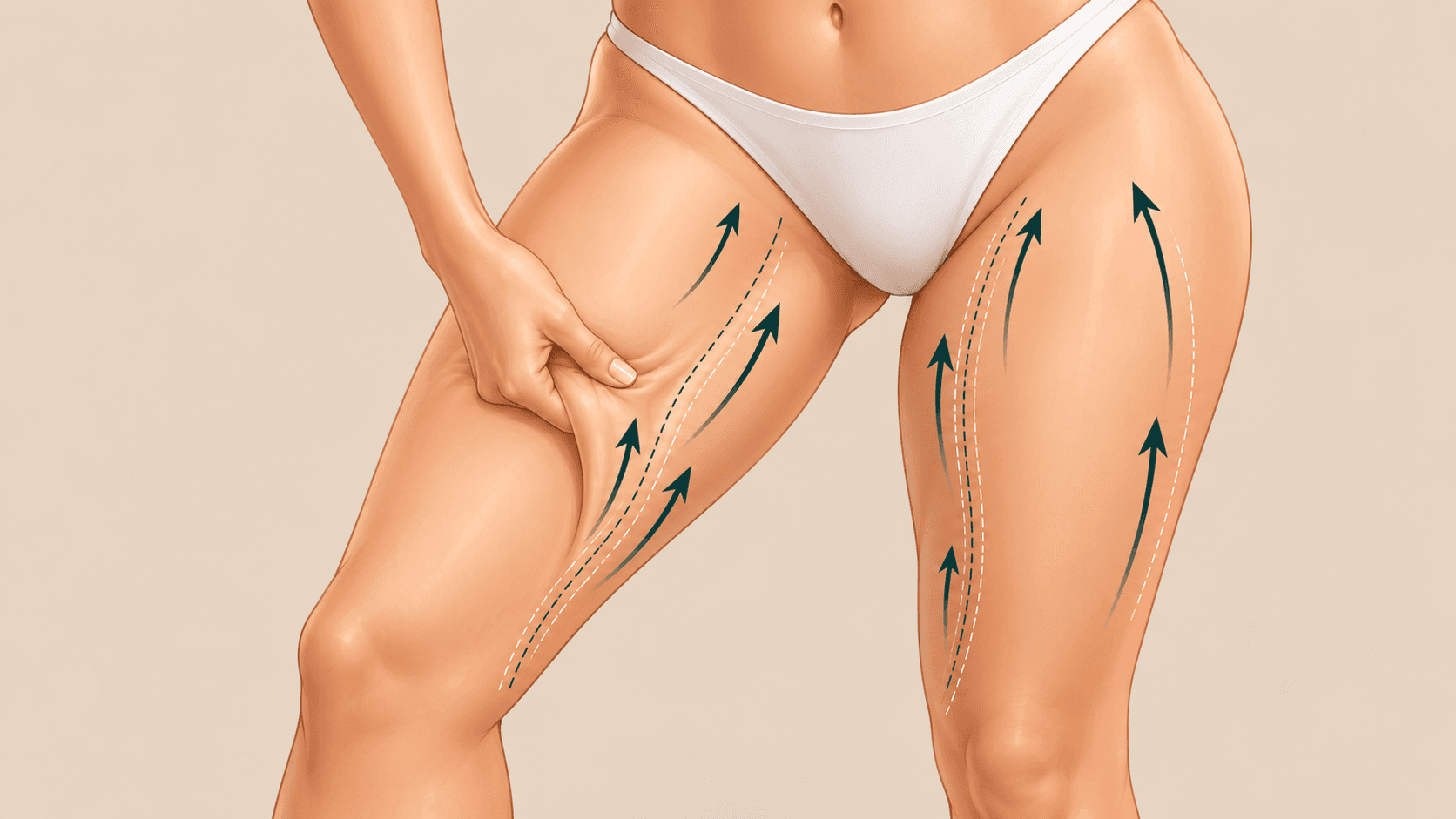
Are you thinking about a thigh lift, or have you already booked one? Knowing what thigh lift recovery involves before surgery can help you plan time off, arrange help at home and keep your expectations realistic. This article is a general guide to the stages many patients go through. Healing is different for everyone, so the plan your own surgeon gives you always comes first.
Why thigh lift recovery is different for everyone
A thigh lift (thighplasty) removes excess skin and some fat from the thighs and tightens the tissue that remains. It reshapes the thighs. It is not a weight-loss treatment. Because the operation can be small or extensive, recovery timelines vary a lot.
Things that can affect how your recovery goes include:
- The type of lift: inner (medial), outer (lateral), mini or extended
- How much skin is removed and how long the incisions are
- Combined procedures, such as liposuction or a lower body lift
- Your general health, including circulation and conditions that affect wound healing
- Smoking, which can slow healing
- How closely you follow your aftercare instructions
Because of all this, the stages below are approximate. They are not a fixed schedule. Your surgeon can tell you what is realistic for you.
The first days after surgery
A thigh lift is usually done under general anaesthesia. Some patients go home the same day, while others stay in hospital overnight or a little longer. The first days are mainly about rest and protecting the incisions.
It is common to have:
- Swelling and bruising in the thighs and sometimes the groin
- A feeling of tightness, especially when you stand or walk
- Discomfort, which is usually managed with prescribed pain relief
- Drains, if your surgeon placed them to remove fluid
You will usually be asked to wear compression garments. They help control swelling and support the tissues. Short, gentle walks are often encouraged early on to keep your blood moving and lower the risk of blood clots. Do not try to rest completely without moving unless your surgeon tells you to.
The first weeks: rest and careful wound care
The early phase often feels slow. Swelling may get worse at first and then ease off gradually. Many people find sitting, bending and climbing stairs uncomfortable during this time.
Wound care matters a lot after a thigh lift, because incisions near the groin are in an area that is easily irritated and can be harder to keep clean. Your surgeon will explain how to:
- Clean and dry the incisions and change dressings
- Shower safely, and when you can do so
- Avoid sitting or bending in ways that strain the incisions
- Wear and wash your compression garments
- Take any prescribed medication
You will usually have follow-up appointments to check your wounds. Drains and stitches are removed when your surgeon thinks you are ready. If you are having surgery abroad, ask the clinic how long you should stay nearby before flying home. This depends on how you are healing, and your surgeon should also give advice on reducing clot risk while you travel.
The following weeks: a gradual return to daily life
In the middle phase, many people slowly go back to light daily activities. Some return to desk work, but when that happens depends on the type of lift, how your wounds are healing and what your job involves. Jobs that are physical or involve a lot of standing may need more time off.
During this phase you may be advised to:
- Keep wearing compression garments for as long as your surgeon recommends
- Slowly walk a little further each day
- Avoid heavy lifting, strenuous exercise and wide leg movements
- Wear loose, soft clothing that does not rub the incisions
- Keep any swelling in mind, as it often changes from day to day
It is normal to feel tired or a little low during recovery. Healing takes energy, and the final shape is not visible yet. Having patience and support from the people around you can help.
Thigh lift recovery in the longer term
In the later phase, most patients slowly return to exercise and more demanding activities, but only once their surgeon agrees. Low-impact activities usually come back first, and higher-intensity training follows later.
Over the long term:
- Swelling keeps going down over many months, and the leg swelling can take some time to settle
- Scars usually start out red or raised, then slowly fade and flatten over many months
- Numbness or changes in skin feeling may get better over time, though this varies
- Your thigh shape becomes clearer as the tissues settle
Ask your surgeon about scar care, including sun protection and whether any products are suitable for you. Keeping your weight stable helps to maintain the result, because large changes in weight can affect the skin again.
Tips for a smoother recovery
Preparing well before surgery can make the early weeks easier. Many patients find these steps helpful:
- Arrange for someone to help at home, especially in the first days
- Set up a comfortable rest area with everything you need within reach
- Have loose clothing and spare compression garments ready
- Stop smoking before and after surgery, as your surgeon advises
- Eat balanced meals and drink enough fluids to support healing
- Go to every follow-up appointment, including remote check-ins after you get home
- Write down your aftercare instructions and questions for your surgeon
When to talk to your doctor
Some discomfort and swelling is expected. Contact your surgeon or clinic promptly if you notice:
- Pain that keeps getting worse instead of better
- Redness, warmth, a bad smell or discharge from an incision
- Fever or feeling generally unwell
- An incision that opens or separates
- New swelling, a bulge of fluid or bleeding that soaks your dressings
- Swelling, pain or tenderness in one calf or leg
Shortness of breath, chest pain or coughing up blood can be signs of a blood clot in the lungs. Get emergency medical help straight away. If you are not sure whether a symptom is normal, ask. Your care team would rather check than have you wait.
Planning your thigh lift abroad
A good recovery starts with choosing the right clinic: one with a qualified plastic surgeon who is experienced in body contouring, clear aftercare and honest information about risks. Ask each clinic how they organise follow-up once you are back home, what the quote includes, and how long they recommend you stay nearby after surgery. When you are ready, you can compare verified clinics for a thigh lift and send one free request. Clinics will then contact you, so you can take your time, ask your questions and decide what suits you best.