
A patient's guide to zirconium crowns in Turkey
Thinking about zirconium crowns in Turkey? Learn how metal-free crowns are made and fitted, what recovery usually involves, possible risks and the questions to ask clinics before you travel.
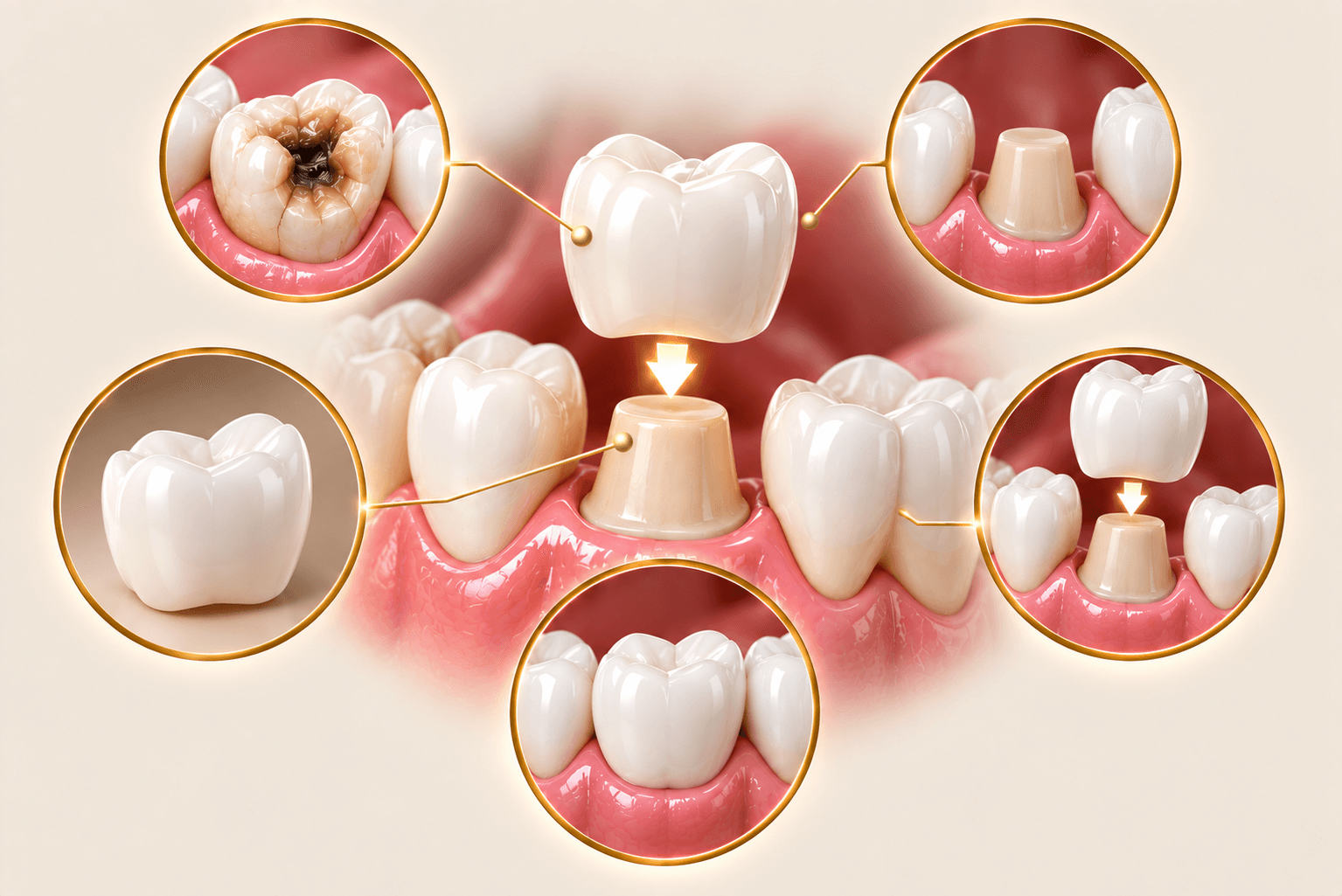
Many people look into zirconium crowns in Turkey when they need to restore damaged, weakened or discoloured teeth. Zirconium crowns are metal-free, tooth-coloured caps made from zirconia, a strong ceramic. They can cover a natural tooth or sit on top of a dental implant. If you are thinking about having this treatment abroad, it helps to understand how crowns are made and fitted, what recovery is usually like and what to plan before you book travel.
This guide explains the basics in plain language. It cannot replace a dental examination. Whether crowns suit you, how many you need and how your recovery goes all differ from person to person, so discuss them with your treating dentist.
Why patients consider zirconium crowns in Turkey
Many international patients look at Turkey for dental care. Common reasons include being able to combine treatment with a trip, finding clinics that use digital scanning and milling, and being able to compare several options before deciding.
Choosing to travel for treatment is a personal decision. Quality, equipment and ways of working differ between clinics in every country, so look at each clinic on its own merits rather than judging the destination as a whole. Check who will treat you, how the clinic plans your care and how it handles follow-up once you are home.
Questions worth asking a clinic early on:
- Will a dentist review my X-rays or photos before I travel?
- Which type of zirconia do you use: monolithic or layered with porcelain?
- Are the crowns made in your own lab, an outside lab or with in-clinic milling?
- How many visits do you expect my case to need?
- What happens if a crown needs adjusting after I return home?
Are zirconium crowns right for you?
Zirconium crowns may suit adults who need to protect or restore a tooth and want a metal-free option that can look natural next to their own teeth. A dentist may suggest a crown when:
- A tooth is cracked, broken or badly decayed
- A large filling no longer gives the tooth enough support
- A tooth has had root canal treatment and needs protection
- A tooth is badly discoloured or misshapen
- An implant or bridge needs a visible replacement tooth
Some situations need extra care or other treatment first. Examples include active gum disease, untreated decay, heavy teeth grinding (bruxism) or too little healthy tooth left. In these cases the dentist may treat the underlying problem first or suggest a different option. This matters when you travel, because extra treatment can change your plan and how long you need to stay. Only a dentist who examines you can decide what is right for your teeth, gums and bite.
How treatment for zirconium crowns in Turkey is usually planned
Many clinics start with a remote review of your recent X-rays, photos and concerns. This can help with a provisional plan, but the final plan is usually confirmed only after an in-person examination.
A typical process looks like this:
- Consultation and planning: an examination, often with X-rays, and a talk about your goals, the shade and any treatment you need first.
- Tooth preparation: after local anaesthesia, a thin layer of the tooth is removed so the crown can fit. Zirconia is strong, so in many cases less tooth needs to be removed than with some other crown types, although this varies.
- Impression or scan: a mould or digital scan is sent to a dental lab or used by an in-clinic milling machine.
- Temporary crown: you may wear a temporary crown while the permanent one is being made.
- Fitting: the dentist checks the fit, colour and bite, makes adjustments and bonds the crown in place.
The treatment is done on an outpatient basis with no hospital stay, usually over more than one visit. Some clinics offer sedation to anxious patients. The number of visits depends on how many teeth are treated, any work needed first and the technology the clinic uses. Clinics that design and mill crowns on site may need fewer visits than those working with an outside lab. Ask for the expected schedule and leave some flexibility in your travel plans in case adjustments are needed.
Recovery and travelling home
Recovery after getting zirconium crowns is usually simple, and most people get back to normal activities soon afterwards. Mild sensitivity, sore gums or a bite that feels slightly different are common at first and tend to settle, although everyone's experience is different.
Things that may help in the first days:
- Chewing carefully until the numbness wears off
- Avoiding very hot, cold, hard or sticky foods for a while if your teeth feel sensitive
- Brushing gently and cleaning between your teeth as advised
- Telling the clinic before you leave if your bite feels uneven, as a small adjustment is often all that is needed
Before you fly home, ask for copies of your treatment records, X-rays and details of the materials used. These make it easier for a local dentist to look after your crowns. In the long term, look after your crowns with good daily oral hygiene and regular check-ups. If you grind your teeth, you may also need a night guard.
Risks and side effects to discuss
Crowns are a common, well-established treatment, but like any procedure they carry some risks, which differ from person to person. Possible side effects and complications include:
- Sensitivity to temperature for a period after treatment
- Gum irritation or inflammation around the edge of the crown
- A bite that feels uneven and needs adjusting
- The crown loosening or coming off, or, less commonly, chipping or cracking
- Wear on opposing natural teeth if the crown surface is not well polished
- The need for root canal treatment later if the nerve becomes inflamed
- Decay at the edge of the crown if oral hygiene is poor
Allergies to zirconia are considered rare. If you know you are sensitive to any dental materials, mention it at your consultation.
Understanding the cost of zirconium crowns in Turkey
Prices vary between clinics and treatment plans, so the only reliable figure is a personal quote after a clinic has reviewed your situation. Factors that often affect the price include:
- The number of crowns you need
- Monolithic (solid) zirconia or zirconia layered with porcelain for more translucency
- Whether crowns are made in a clinic lab, an outside lab or with digital milling
- Treatment needed first, such as fillings, root canals, gum treatment or implants
- X-rays, scans, temporary crowns and follow-up visits
- The dentist's experience and the clinic's location
When you compare quotes, check what each one includes. Also count travel, accommodation and any return trips as part of the overall cost.
When to talk to a doctor
See a dentist before planning treatment if you have tooth pain, swelling, bleeding gums, a loose tooth or a known problem such as gum disease. Mention any general health conditions or regular medicines, as they may affect your care. After your crowns are fitted, contact your treating dentist or a local dentist if you notice:
- Pain or sensitivity that gets worse rather than better
- Swelling, a bad taste or signs of infection
- A crown that feels loose, comes off or chips
- A bite that still feels uneven after the first days
If you are considering zirconium crowns in Turkey, take your time to compare verified clinics and send one free request. Clinics will then contact you, so you can ask questions and discuss your situation before deciding anything. Learn more on our zirconium crowns treatment page.