
Mini Gastric Bypass Abroad: Choosing a Clinic, Planning Your Trip and Arranging Follow-Up at Home
Thinking about a mini gastric bypass abroad? This guide explains how to choose a clinic, what to ask about quotes, how to plan your trip around recovery and how to set up follow-up care once you are home.
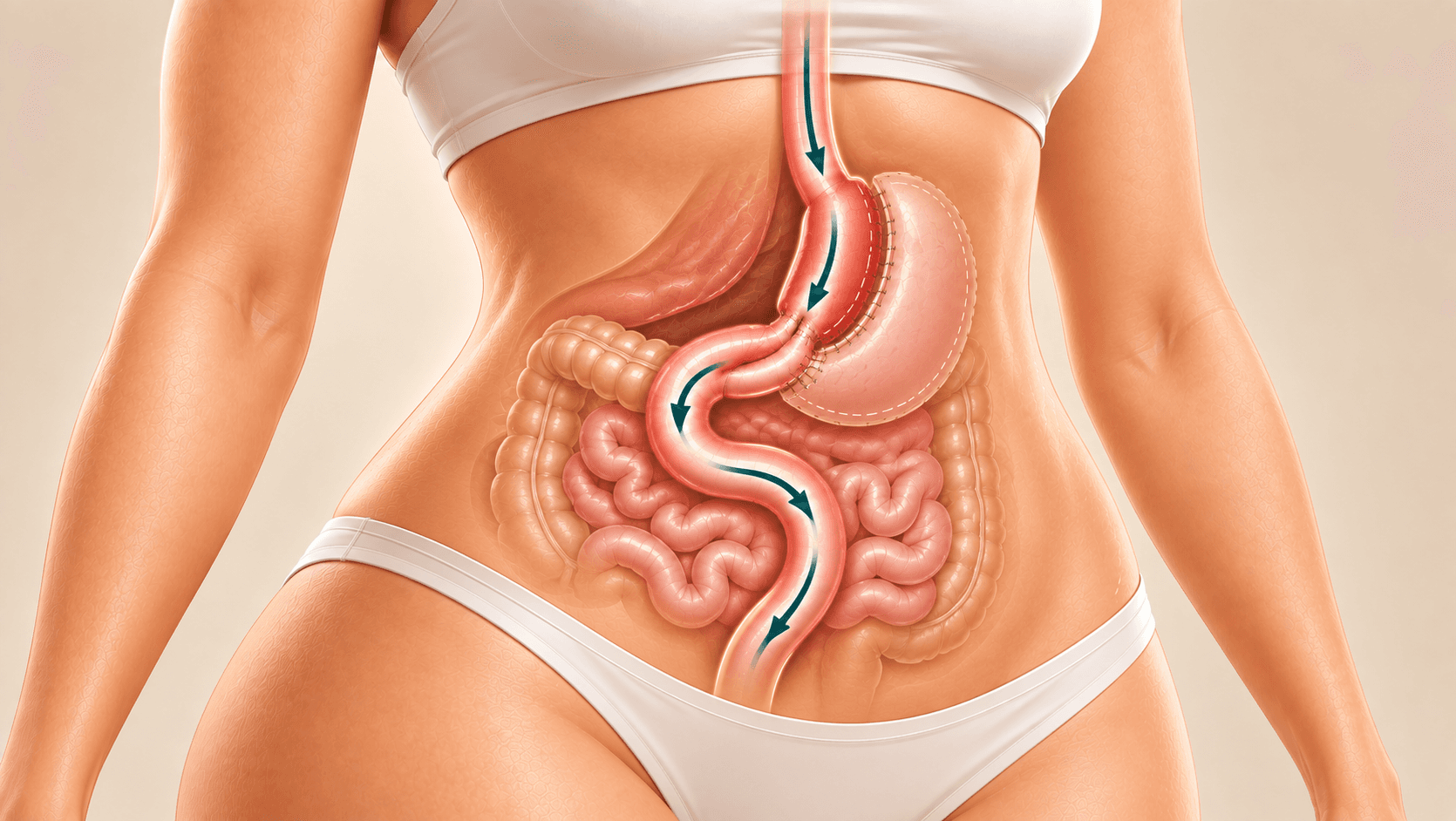
Travelling for weight-loss surgery is a big decision, and a mini gastric bypass abroad involves much more than the operation itself. You need a clinic you trust, a trip planned around your recovery and someone to look after you once you are back home. This guide takes you through each stage so you know which questions to ask and can make a decision that feels right for you.
What a Mini Gastric Bypass involves
A Mini Gastric Bypass, also called a one-anastomosis gastric bypass (OAGB), is a weight-loss operation. The surgeon makes a long, narrow stomach pouch and joins it to a loop of the small intestine with a single connection. This limits how much you can eat and reduces how many calories your body absorbs. It is usually done by keyhole (laparoscopic) surgery under general anaesthesia.
The operation is generally considered for adults with severe obesity who have not lost enough weight through diet, exercise and medical treatment. It can also help with weight-related conditions such as type 2 diabetes, high blood pressure and sleep apnoea. Only a full medical assessment can show whether it suits you. Reflux, previous abdominal surgery and some digestive conditions can mean a different operation is advised instead, such as a sleeve gastrectomy or a classic Roux-en-Y gastric bypass.
Choosing a clinic for a mini gastric bypass abroad
A good clinic is open about its team, its process and its aftercare. It should assess you properly before confirming that surgery is right for you, rather than agreeing straight away. Look for clear communication, honest answers and no pressure to book quickly.
Questions worth asking each clinic:
- How often does the surgeon perform bariatric operations, including this one?
- Which tests and consultations happen before surgery, and can some be done at home first?
- Is there an intensive care unit or emergency support on site?
- Will I meet a dietitian, and is psychological support available if I need it?
- What does follow-up include once I am home, and for how long?
- Who do I contact if I have concerns after I return?
- Can my medical records be shared with my doctor at home?
Write down the answers so you can compare clinics side by side. If something is unclear, ask again. A clinic that takes time to explain things clearly before surgery is more likely to do the same afterwards.
Understanding quotes before you commit
Prices vary widely between countries and clinics, so ask for a written quote that sets out exactly what is included. Two quotes that look similar can cover very different things.
Check whether the quote includes:
- Tests and consultations before surgery
- The operation, anaesthesia and your hospital stay
- What happens if you need extra nights in hospital
- Medication, vitamin supplements and compression stockings
- Dietitian support and remote check-ups after you return
- Airport transfers and accommodation, if offered
It is also worth asking what happens, and who pays, if you need extra treatment or a further procedure. Take your time with this step and do not feel rushed into making a choice.
Planning your trip around recovery
Good planning makes the trip calmer and safer. Recovery happens in stages and differs from person to person, so build some flexibility into your plans rather than booking the tightest possible schedule.
Before you travel:
- Share your full medical history, current medicines and any previous operations with the clinic
- Ask whether you need to follow a special diet before surgery
- Find out roughly how long you will be in hospital, and how long the clinic recommends staying nearby afterwards
- Ask when it is usually considered safe to fly home, and what to do to lower the risk of blood clots on the journey
- Check whether your travel insurance covers planned medical treatment abroad
If you can, bring a companion. Having someone with you helps with practical tasks and gives emotional support while you are getting back on your feet. Pack loose, comfortable clothes, your usual medicines, copies of your medical documents and anything the clinic recommends for the early liquid diet.
During your stay you will usually start walking soon after surgery and take small sips of fluid while staff monitor you. Before you leave, make sure you understand your diet stages, your supplements, how to care for your wounds and which signs mean you should get in touch.
Arranging follow-up care at home
A Mini Gastric Bypass is a lifelong commitment, and much of the long-term care happens after you return home. Setting this up before you travel can make a real difference.
Steps that help:
- Tell your family doctor about your plans before you go, so they are not surprised when you return
- Ask the clinic for a detailed discharge summary and operation report, in a language your doctor can read
- Agree a schedule of remote check-ups with the clinic team
- Find out which blood tests you will need and who will arrange them
- Look for a local dietitian who has experience with bariatric patients
- Make sure you know which vitamin and mineral supplements to take every day
After surgery you will move step by step from liquids to puréed food, then soft food, and finally to a balanced long-term diet with small portions and plenty of protein. Regular blood tests help spot problems such as low iron, vitamin B12, calcium or protein early. Some people also find a support group or a psychologist helpful as their eating habits and body change.
When to talk to a doctor
Every operation carries risks, including bleeding, infection, blood clots, a leak from the staple line or connection, bile reflux, ulcers and nutritional deficiencies. How these apply to you should be discussed openly with your surgeon before you agree to anything.
After surgery, get medical help straight away, wherever you are, if you notice:
- Fever, chills or worsening pain in your abdomen
- Chest pain, a fast heartbeat or shortness of breath
- Pain, swelling or warmth in one leg
- Repeated vomiting or being unable to keep fluids down
- Redness, swelling or discharge around your wounds
- Black stools or vomiting blood
Also talk to your doctor if you have ongoing heartburn, feel unusually tired or dizzy, or notice nausea, sweating or diarrhoea after sugary foods. Recovery, risks and suitability differ for everyone, so your treating doctor is always the right person to advise you.
Comparing clinics with confidence
Choosing where to have surgery is a personal decision, and it is worth taking your time. On our marketplace you can compare verified clinics, look at what each one offers and send one free request. The clinics then contact you to answer your questions and discuss your options, with no obligation. To find out more about the procedure and see which clinics offer it, visit our Mini Gastric Bypass treatment page.