
Flying home: planning your stay and travel after gastric bypass
Having a gastric bypass abroad means planning more than the operation itself. This guide covers your stay near the clinic, the journey home and how to set up follow-up care, with questions to ask your clinic.
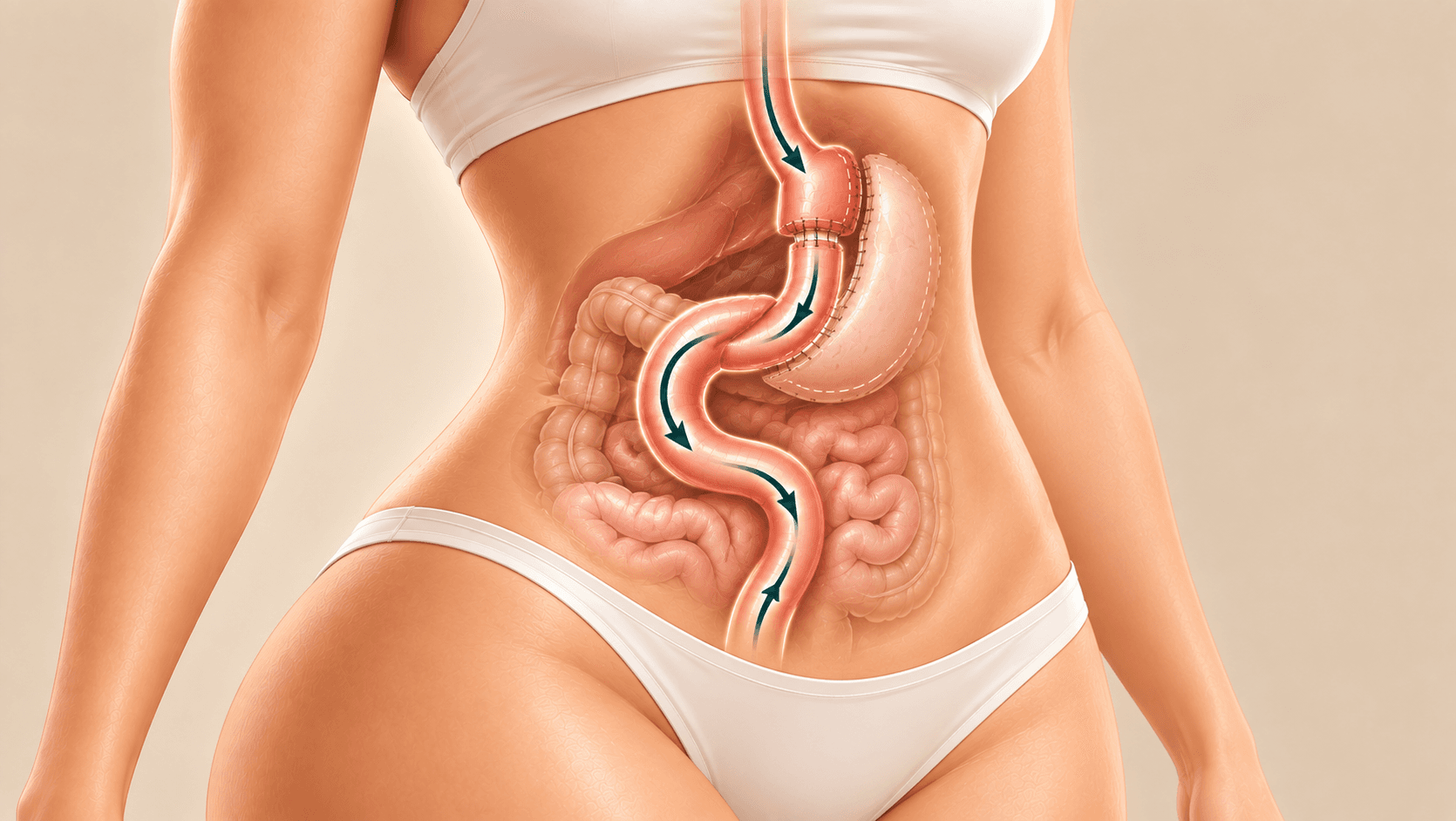
If you are thinking about having a gastric bypass in another country, the operation is only one part of the plan. How long you stay near the clinic, how you get home and who looks after you once you are back all matter too. Planning your travel after gastric bypass early can make your recovery calmer and help you feel supported at every stage.
This guide explains what to think about before you book, what the journey home might involve, and how to arrange the long-term follow-up that is normally part of life after this operation. Everyone recovers differently, so your surgical team should always have the final say on your timing and travel plans.
Why planning matters for gastric bypass abroad
A gastric bypass is a major weight loss operation. The surgeon makes a small pouch from the top of the stomach and connects it directly to a lower part of the small intestine. It is usually done by keyhole (laparoscopic) surgery under general anaesthesia. Afterwards, the amount you can eat, the way your body absorbs food and the hormones that control hunger all change.
Most people stay in hospital for a short time. After that, recovery carries on at home: you follow a staged diet, take vitamin and mineral supplements, and go to regular check-ups. When home is a flight away, you need to plan each of these steps before you travel.
How long to stay near the clinic before flying
There is no single answer that fits everyone. How soon you can travel after gastric bypass depends on your health, how the surgery went, how well you recover in the first days and how long the journey is. Ask your clinic how long they advise you to stay nearby before flying home, and get this advice in writing if you can.
Things that can affect the recommended stay:
- How quickly you are able to drink well, walk and manage pain
- Any weight-related conditions, such as type 2 diabetes, high blood pressure or sleep apnoea
- Your personal risk of blood clots
- The length and type of the journey home
- Whether a check-up is planned before you leave
When you book accommodation, allow some flexibility. Your doctors may suggest staying longer if your recovery is slower than expected. Before you commit, ask the clinic what happens in that case, including any extra costs.
Preparing for the flight home after gastric bypass
Sitting still for a long time, especially after surgery, can raise the risk of blood clots. Your surgical team may give you specific advice, such as wearing compression stockings, taking blood-thinning medication or walking around regularly during the journey. Follow their instructions rather than general tips.
Practical steps that many patients find helpful:
- Choose your seat with care: an aisle seat makes it easier to stand up, stretch and reach the toilet.
- Keep sipping fluids: small, frequent sips are usually easier than larger drinks after a bypass. Ask your dietitian what is suitable at your stage.
- Pack suitable food: if you are on liquids or purées, airports and planes may not have anything you can eat. Bring what your diet plan allows, within airline rules.
- Carry your medication and supplements in your hand luggage, together with a note from the clinic if needed.
- Wear loose, comfortable clothing that does not press on your wounds.
- Ask for assistance at the airport if walking long distances or lifting bags is difficult.
- Travel with a companion if you can, so someone can help with luggage and keep an eye on how you feel.
Do not lift heavy suitcases yourself in the early weeks. Ask the clinic when lifting is safe for you.
Documents to bring home
Good records help any doctor who looks after you later. Before you leave, ask the clinic for:
- A surgery report describing the technique used, for example a Roux-en-Y or a one-anastomosis (mini) gastric bypass
- Your discharge summary and any test results
- A list of your medications and supplements, with doses
- Your diet plan, from liquids to purées to soft food and finally normal textures
- Clear contact details for the clinic team and instructions for what to do if problems arise
If any of these are not in a language your home doctor can read, ask whether a translated summary is available.
Setting up follow-up care at home
Lifelong follow-up is normally part of the plan after gastric bypass. This includes regular check-ups, blood tests and daily supplements, because shortages of vitamins and minerals such as iron, vitamin B12, calcium and vitamin D can develop over time.
Before you travel, think about:
- Telling your own doctor at home about your plans, so someone local can help with blood tests and long-term care
- Asking whether the clinic offers remote follow-up, such as video consultations, and how often
- Arranging dietitian support, either through the clinic or locally, to help with the staged diet and eating habits
- Knowing who to contact in the first weeks, both at the clinic and near home
- Checking your travel insurance, since some policies have rules about treatment abroad
Clear arrangements mean you are less likely to feel alone once you are home and the clinic is far away.
Travel after gastric bypass in the longer term
Once you have recovered, holidays and work trips are usually possible again. Still, your eating habits will have changed. Smaller portions, eating slowly and avoiding sugary or fatty foods can help reduce symptoms of dumping syndrome, such as nausea, sweating or diarrhoea. On any trip, pack your supplements, plan your meals where you can and keep your medical summary with you.
When to talk to a doctor
Get medical advice straight away if you notice anything worrying, whether you are still near the clinic, travelling or back home. Signs to take seriously include:
- Severe or worsening abdominal pain
- Fever, chills or redness, swelling or discharge from a wound
- Pain, swelling or warmth in a leg, or sudden shortness of breath or chest pain
- Ongoing vomiting or being unable to keep fluids down
- A fast heartbeat, dizziness or feeling very unwell
In an emergency, contact local emergency services first and then let your surgical team know. Recovery, risks and suitability differ from person to person, so always discuss your own situation with your treating doctor.
Compare verified clinics for your gastric bypass
Good planning starts with choosing a clinic that is open about its aftercare, travel advice and follow-up. On our marketplace you can compare verified clinics and send one free request, and the clinics then contact you to answer your questions. To learn more about the procedure and see the available options, visit our gastric bypass treatment page.