
Surgical chin augmentation: implant or genioplasty
Chin augmentation is a cosmetic procedure that adds projection to the chin, usually with an implant or by repositioning the chin bone, to improve facial balance. Suitability, recovery and risks differ for each person.
About Chin augmentation
Chin augmentation is a cosmetic surgical procedure that adds projection or volume to the chin to improve balance between the chin, nose, lips and jawline. It is usually done with a chin implant (mentoplasty) or by moving the chin bone forward (sliding genioplasty), and is sometimes combined with other facial procedures.
Key facts
- Treats a small, receding or less defined chin and helps facial proportions look more balanced
- Usually done with a chin implant or by repositioning the chin bone; a non-surgical option with fillers also exists
- Often performed under general anaesthesia, sometimes under local anaesthesia with sedation
- Often a day procedure or a short hospital stay, depending on the technique and the clinic
- Recovery usually moves from early swelling and tenderness to gradual settling over the following weeks and months
Who is a good candidate for chin augmentation?
Chin augmentation may suit adults in good general health who feel their chin is small or set back compared with the rest of the face. The most important factors are realistic expectations and a careful assessment by a qualified surgeon.
During the consultation, the surgeon usually looks at your facial proportions, bite, teeth and jaw structure. In some cases a weak chin is linked to how the jaws meet, and a different approach, such as orthodontic treatment or jaw surgery, may be discussed instead.
You may be a suitable candidate if you:
- Have a chin that looks small or receding from the side
- Have a fully developed facial skeleton
- Are generally healthy and do not smoke, or are willing to stop before and after surgery
- Understand what the procedure can and cannot change
Only the treating doctor can decide whether the procedure is right for you.
How is chin augmentation done?
There are two main surgical techniques: placing an implant over the chin bone, or cutting and moving the chin bone itself. The surgeon recommends a technique based on your anatomy and goals.
Chin implant (mentoplasty): A small incision is made either inside the mouth, between the lower lip and gum, or under the chin. The surgeon creates a pocket and places an implant, usually made of solid silicone or another medical material, over the bone. The incision is then closed with stitches.
Sliding genioplasty: Through an incision inside the mouth, the surgeon cuts the lower part of the chin bone, moves it forward (and sometimes up, down or sideways) and fixes it with small plates or screws. This technique can correct more complex chin shapes.
Non-surgical option: Dermal fillers can add some temporary projection to the chin. They are not permanent and are a different treatment from surgical chin augmentation.
Chin augmentation is sometimes combined with nose surgery, neck liposuction or a facelift to achieve a more balanced profile.
What is recovery like after chin augmentation?
Most people have swelling, bruising and tightness around the chin and lower lip in the first days. These usually improve gradually, while the final shape takes longer to settle.
Recovery often follows these general phases:
- The first days: swelling, tenderness and sometimes a dressing or supportive tape; soft foods may be advised, especially after an incision inside the mouth
- The following weeks: visible swelling reduces and many people return to light daily activities and work
- The following months: remaining swelling settles and the final contour becomes clearer
Your surgeon may give you advice on oral hygiene, mouth rinses, sleeping position, pain relief and when to avoid sport or strenuous activity. How fast you recover depends on the technique and your own healing, so follow-up plans should be discussed with your treating doctor.
What are the risks and side effects of chin augmentation?
Like any surgery, chin augmentation carries risks. Most are uncommon, but it is important to understand them before deciding.
Possible risks and side effects include:
- Swelling, bruising and temporary discomfort
- Infection, particularly around an implant
- Temporary or, rarely, longer-lasting numbness of the lower lip or chin
- Implant shifting, asymmetry or an unsatisfactory shape
- Bleeding or a collection of blood under the skin
- Visible scarring when an incision is made under the chin
- Risks related to anaesthesia
- The need for further surgery in some cases
Your surgeon should explain how these risks apply to you, based on your health history and the chosen technique.
What affects the cost of chin augmentation?
The cost of chin augmentation varies between countries, clinics and individual treatment plans. A clinic can only give a personal quote after reviewing your situation.
Factors that often influence the price include:
- The technique: implant, sliding genioplasty or fillers
- The type of implant or fixation materials used
- The type of anaesthesia and whether an overnight stay is needed
- Whether it is combined with other procedures
- The surgeon's experience and the clinic's location
- Pre-operative tests, medication, follow-up visits and aftercare
- Travel, accommodation and how long you need to stay nearby
Ask clinics for a clear written overview of what is and is not included.
How do I choose a clinic abroad for chin augmentation?
Choose a clinic where qualified surgeons perform facial plastic surgery regularly and communicate clearly. Take your time and compare more than one option.
Helpful questions to ask include:
- What are the surgeon's qualifications and experience with chin procedures?
- Which technique do they recommend for you, and why?
- What type of anaesthesia is used, and who provides it?
- What does the price include, and what might cost extra?
- How long do they recommend you stay in the country after surgery?
- How is follow-up arranged once you return home, and who can you contact if you have concerns?
It is also wise to tell your own doctor about your plans and to keep copies of your medical records from the clinic.
Next steps
If you are considering chin augmentation, you can compare verified clinics on our platform and send one free request. Clinics will then contact you with more information. The treating doctor will assess your situation and decide which approach, if any, is suitable for you.
This page gives general information and is not medical advice. A doctor at the clinic will assess whether a treatment is right for you.
Clinics offering Chin augmentation

No verified clinics offer this treatment yet.
Frequently asked questions
Is chin augmentation permanent?
Surgical chin augmentation with an implant or bone repositioning is generally intended to be long-lasting. However, your face still changes naturally with age, and in some cases an implant may need adjusting or removing. Chin fillers are a different option, as the body gradually breaks them down. Your surgeon can explain what to expect from each technique in your case.
Will I have a visible scar after chin augmentation?
That depends on where the incision is made. When the surgeon works through the inside of the mouth, there is no scar on the skin. If the incision is placed under the chin, it is usually in a natural crease and tends to fade over time, although healing differs for everyone. Ask your surgeon which approach they plan to use and why.
Which is better, a chin implant or a genioplasty?
Neither is right for everyone. Implants are often used for mild to moderate projection, while a sliding genioplasty moves your own bone and can correct more complex shapes, such as length or asymmetry. The choice depends on your anatomy, bite, goals and health. The treating surgeon will examine you and recommend the option they believe suits you.
How long should I stay abroad after chin augmentation?
There is no single answer, as it depends on the technique, any combined procedures, how you heal and the clinic's follow-up plan. Many clinics want to see you at least once for a check-up before you fly home. Discuss this with the clinic when planning your trip, and leave some flexibility in case your surgeon advises staying a little longer.
Can chin augmentation be combined with other procedures?
Yes, it is sometimes combined with procedures such as rhinoplasty, neck liposuction or a facelift, as the chin plays a big part in the balance of the profile. Combining procedures can change the anaesthesia time, recovery and risks. Whether it makes sense for you is something your surgeon will assess based on your health and goals.
Related treatments
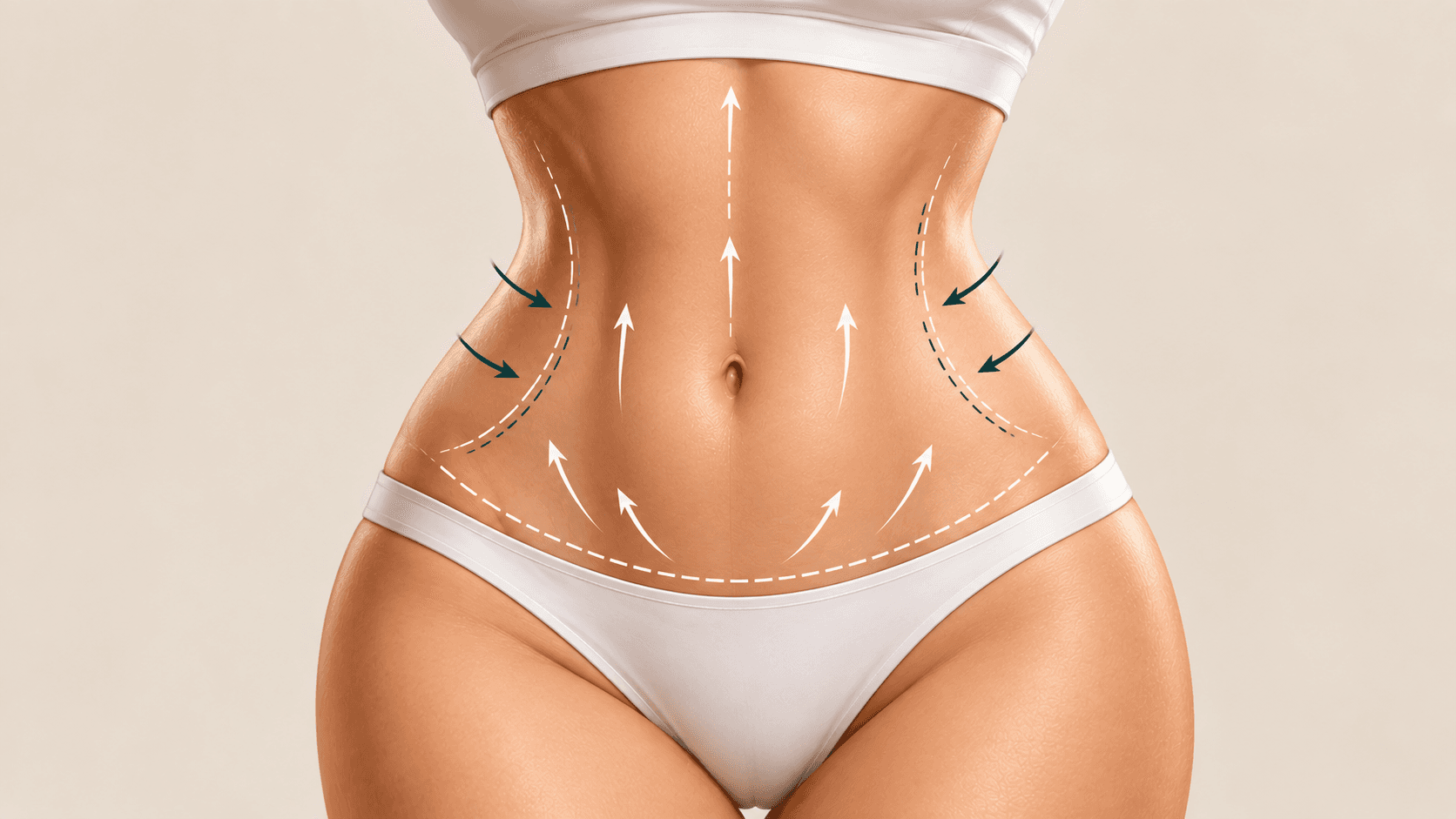
Abdominoplasty
Abdominoplasty, or tummy tuck, is a surgical procedure that removes excess abdominal skin and fat and can tighten the abdominal muscles. People often consider it after pregnancy or major weight loss.
Verified clinics: 0
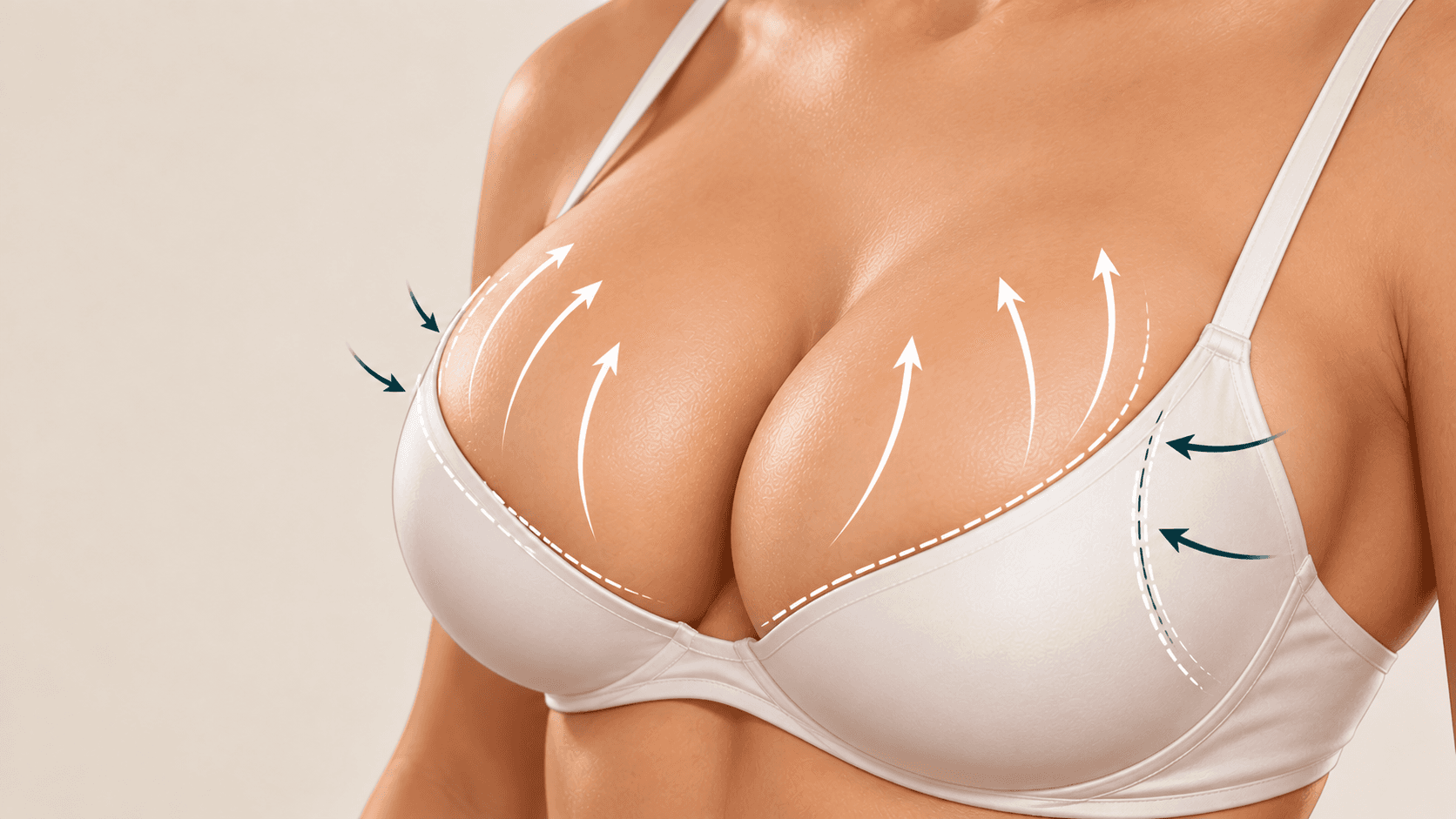
Breast augmentation
Breast augmentation is cosmetic surgery that uses implants or fat transfer to increase breast size, improve shape or symmetry, or restore lost volume. It is usually done under general anaesthesia.
Verified clinics: 0
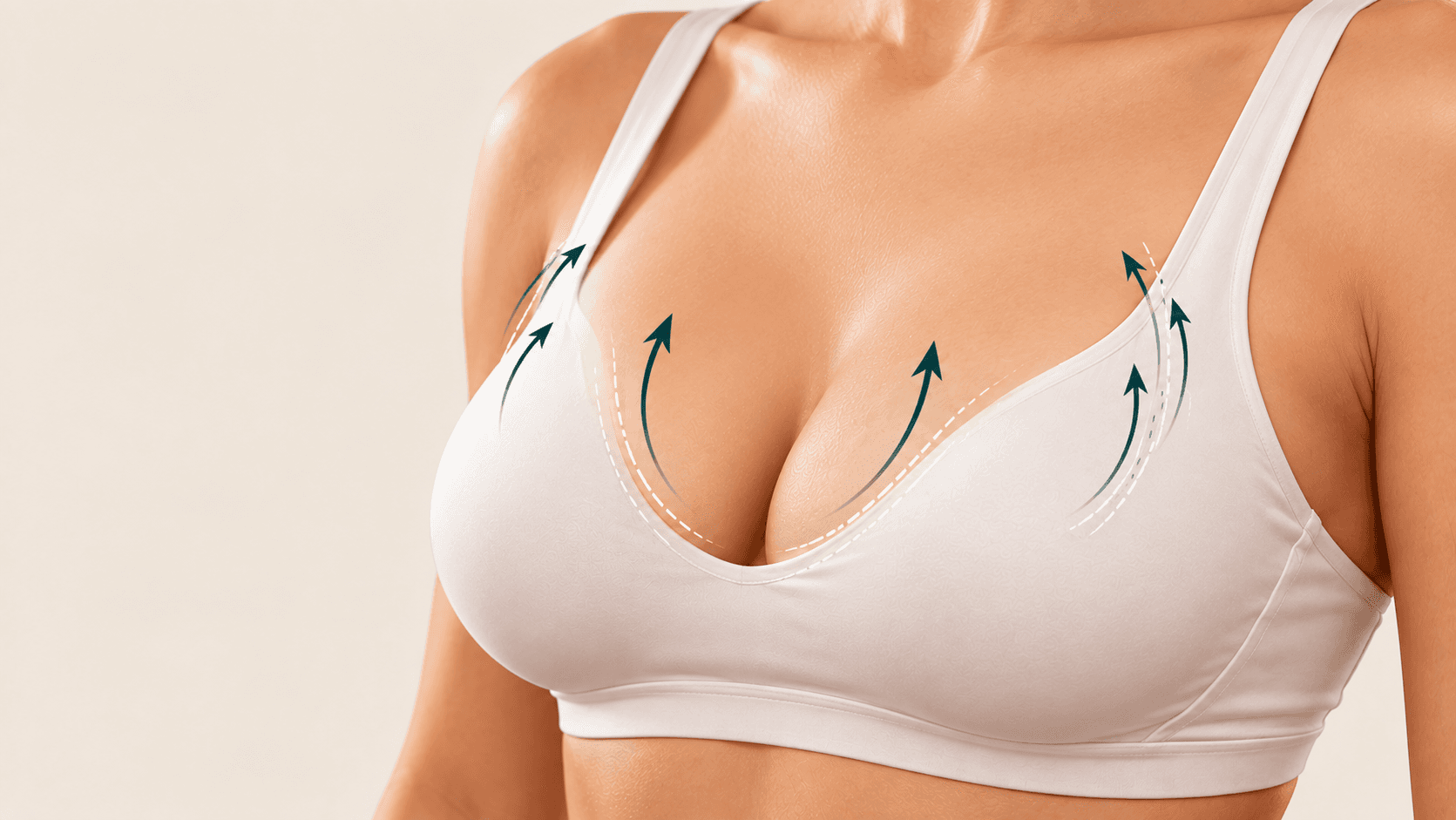
Breast lift
A breast lift (mastopexy) raises and reshapes sagging breasts by removing excess skin and repositioning the nipple. Compare verified clinics abroad and send one free request.
Verified clinics: 0
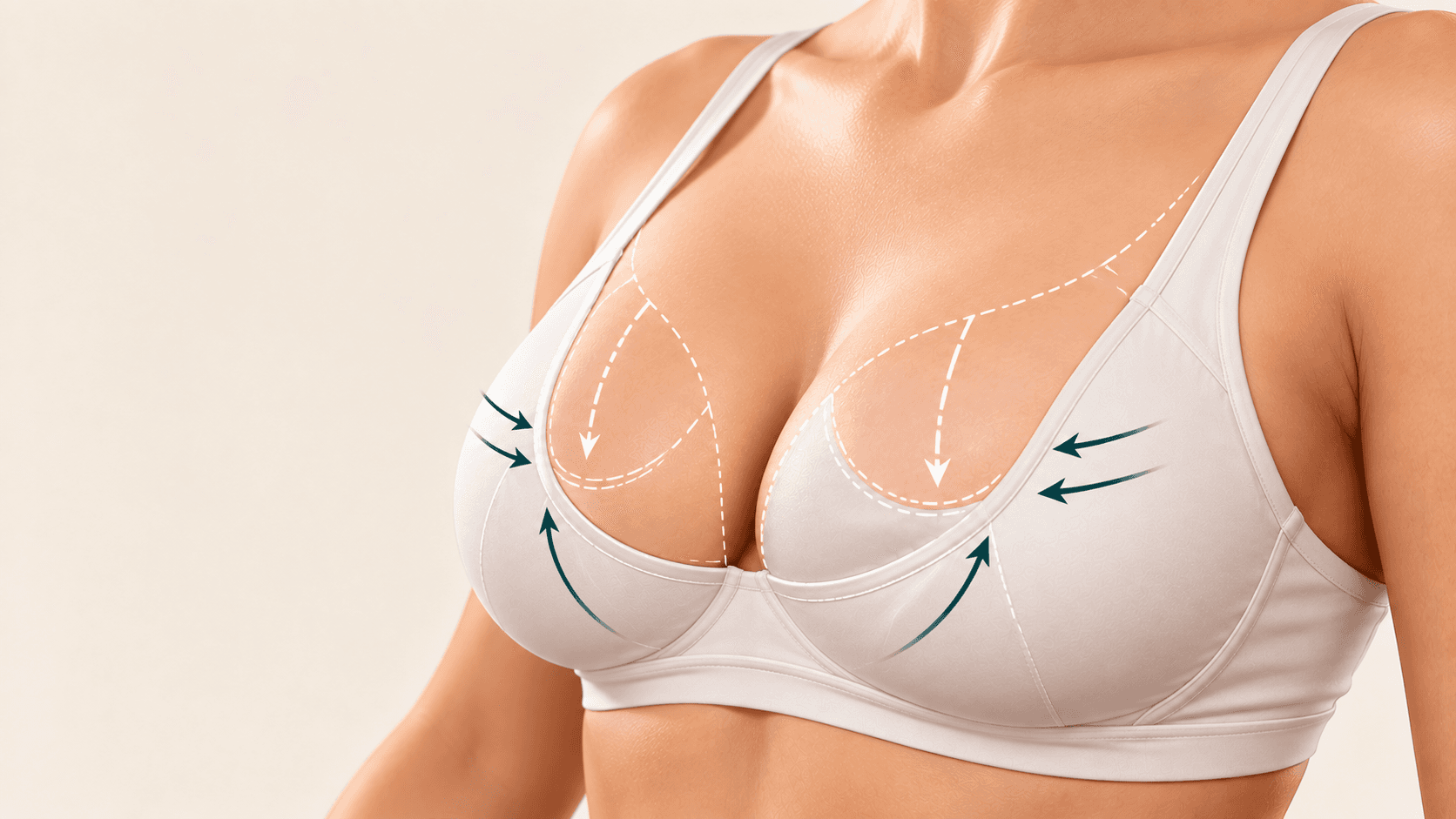
Breast reduction
Breast reduction is surgery to remove excess breast tissue, fat and skin, creating smaller, lighter breasts. It can help ease neck, back and shoulder discomfort and make everyday activities easier.
Verified clinics: 0
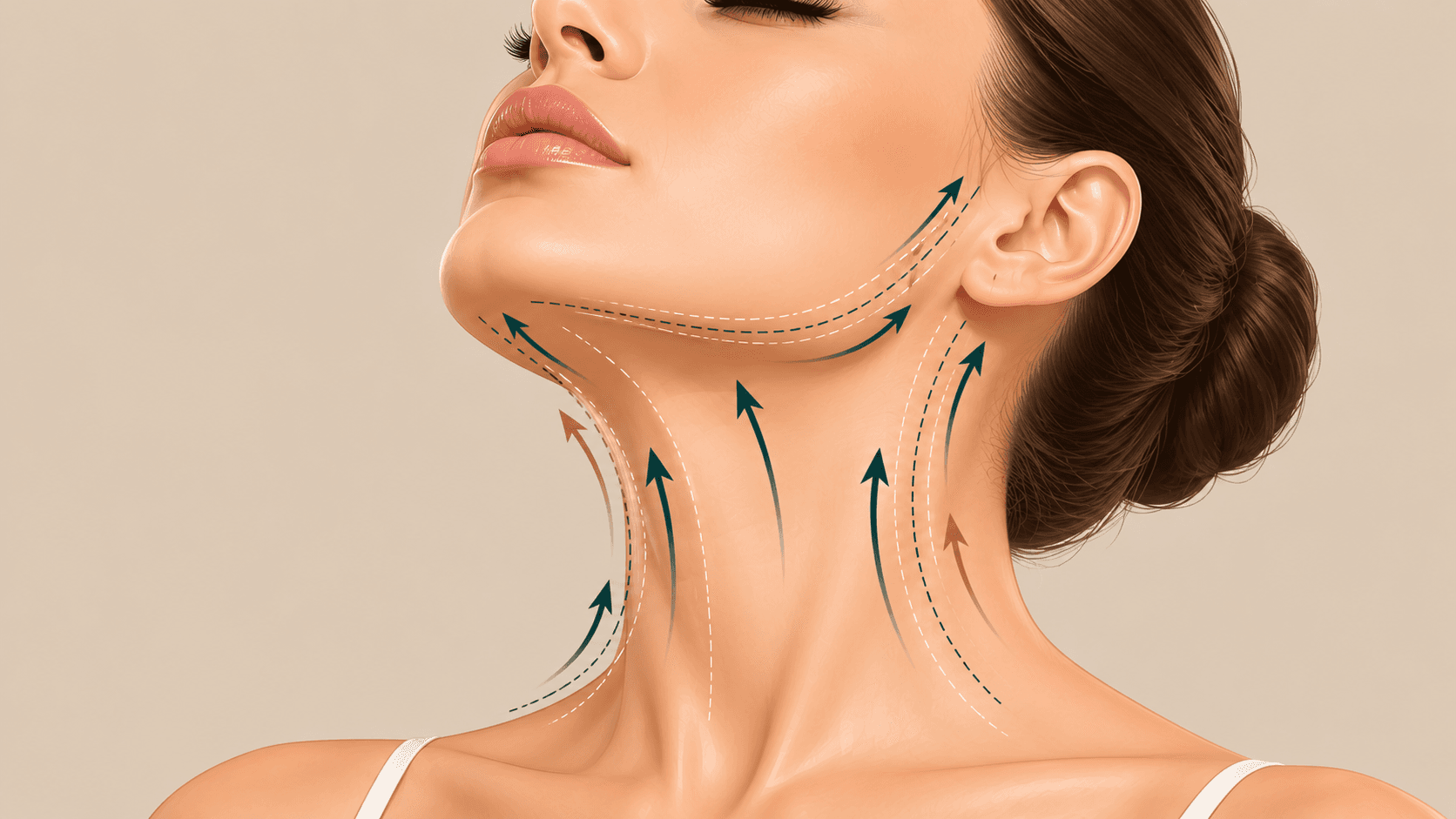
Facelift
A facelift is a surgical procedure that lifts and tightens sagging skin and deeper tissues of the lower face and neck, aiming for a fresher, more rested look that still looks like you.
Verified clinics: 0
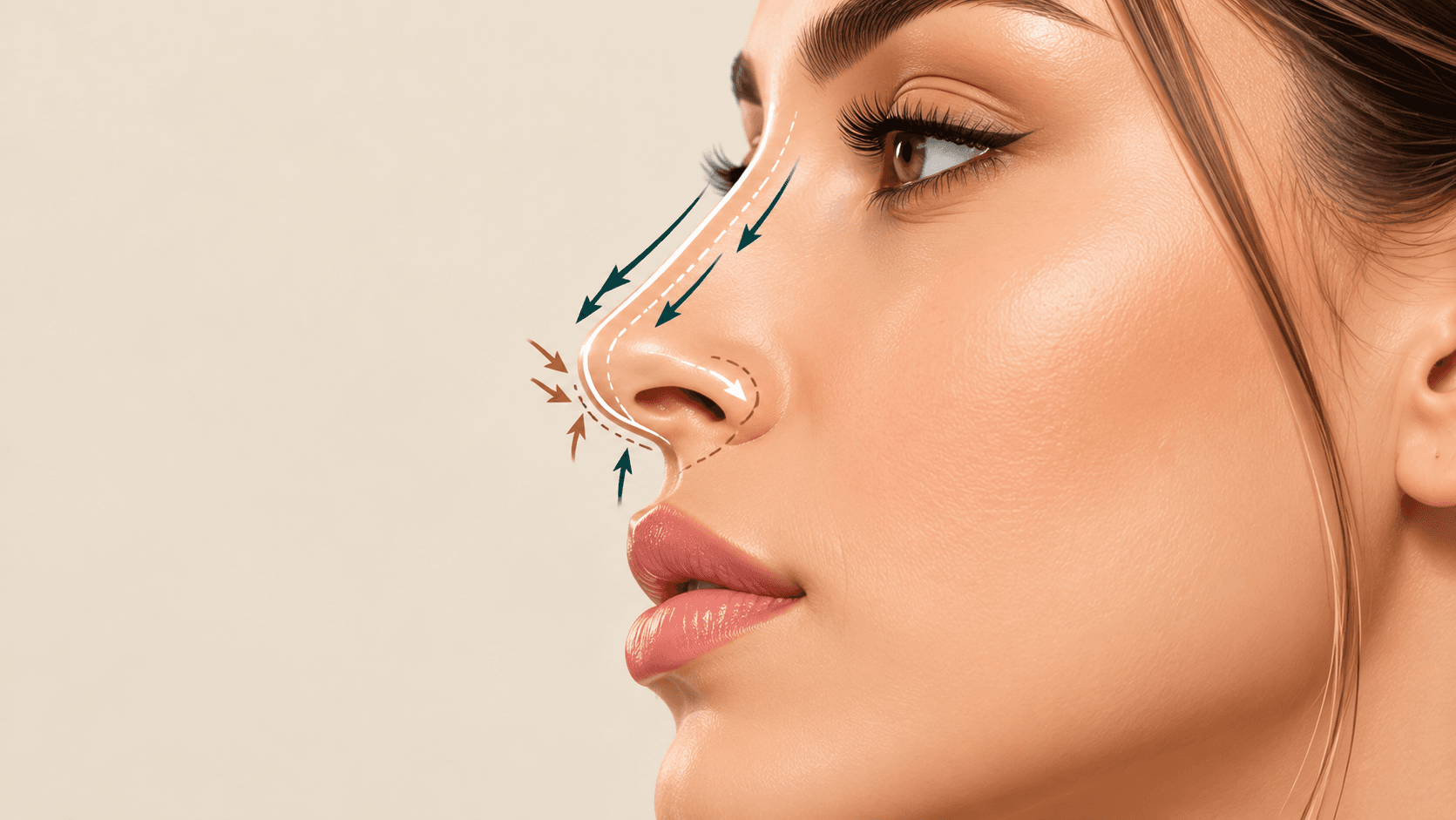
Rhinoplasty
Rhinoplasty is surgery that reshapes the nose for cosmetic or medical reasons, such as refining the tip or bridge or improving breathing. Compare verified clinics and discuss your goals with the treating surgeon.
Verified clinics: 1