
Gynecomastia surgery: male breast reduction abroad
Gynecomastia surgery reduces enlarged breast tissue in men with liposuction, gland removal or both, aiming for a flatter chest. Compare verified clinics abroad and send one free request.
About Gynecomastia surgery
Gynecomastia surgery is an operation that reduces enlarged breast tissue in men. Depending on the cause, a surgeon removes excess glandular tissue, fat, or both, using liposuction, small incisions, or a combination, and may tighten or remove skin in more advanced cases. The aim is a flatter, more typically masculine chest contour.
Key facts
- Treats enlarged male breast tissue (true gynecomastia) and excess fat on the chest (sometimes called pseudogynecomastia).
- Usually done with liposuction, removal of firm gland tissue through a small incision near the areola, or both. Some cases also need skin removal.
- Most often done under general anaesthesia. Some smaller cases can be done under local anaesthesia with sedation.
- Often a day procedure or a short hospital stay, depending on how much surgery is needed and how the clinic works.
- Recovery usually happens in stages: an early rest phase wearing a compression garment, a gradual return to daily life, then a longer phase while swelling settles.
Who is a suitable candidate for gynecomastia surgery?
Good candidates are usually healthy men whose chest enlargement has stayed the same for some time and who are bothered by it, physically or emotionally. A doctor will usually look for underlying causes first, because some can be treated without surgery.
Surgery is often considered when:
- the enlargement stays even though your weight is stable and healthy
- hormonal or other medical causes have been checked
- medicines or substances that can cause breast growth have been reviewed
- you don't smoke, or you're willing to stop before and after surgery
- you have realistic expectations about the result
In teenagers, gynecomastia often goes away on its own during puberty, so surgery is usually only considered once development is complete. If you plan to lose weight, many surgeons suggest reaching a stable weight first, as this can affect the result.
How is gynecomastia surgery performed?
The technique depends on what is causing the enlargement: mainly fat, firm gland tissue or loose skin. Many operations combine liposuction with removal of gland tissue through a small incision.
The main approaches are:
- Liposuction: a thin tube called a cannula goes in through tiny incisions to remove fat. This works best when the enlargement is mostly fatty tissue.
- Gland excision: the firm tissue behind the nipple is removed through an incision, usually along the lower edge of the areola.
- Skin reduction: in more pronounced cases with sagging skin, extra skin may be removed and the nipple moved higher. This leaves longer scars.
Before surgery, you'll have a consultation and an examination. You may also need tests such as blood work or an ultrasound. After the operation, the surgeon may place small drains, and you'll usually wear a compression vest to support the chest and help reduce swelling.
What is recovery like after gynecomastia surgery?
Recovery is different for everyone, but it usually happens in stages. Most men feel sore and swollen at first and then slowly get back to normal routines. The shape of the chest keeps settling for several months after that.
A typical recovery includes:
- Early phase: rest, pain relief as prescribed, wearing the compression garment and caring for drains if you have them.
- Returning to work and daily life: people with desk jobs often go back sooner than people with physical jobs. Your surgeon will tell you what is right for you.
- Exercise: gentle walking is usually encouraged early on. Heavy lifting, upper-body training and contact sports have to wait until your surgeon says they are safe.
- Longer term: swelling and bruising fade slowly, and scars usually mature and become less visible over time.
Your surgeon will give you clear instructions and a follow-up schedule. If you travel abroad, plan to stay near the clinic until your surgeon says you are fit to fly. It also helps to arrange follow-up care at home.
What are the risks and side effects?
Like any surgery, gynecomastia surgery has risks, although serious complications are uncommon when a qualified surgeon operates in an accredited facility. Your own risk depends on your health, the technique used and how closely you follow the aftercare advice.
Possible risks include:
- bruising, swelling and short-term pain
- fluid build-up (seroma) or a collection of blood (haematoma)
- infection
- changes in nipple or skin sensation, usually temporary but sometimes permanent
- uneven sides, contour irregularities, or a dip under the nipple if too much tissue is removed
- visible scars
- risks linked to anaesthesia, and blood clots
- needing a second operation to fix the result
Talk through your personal risks with the treating doctor. Get medical help quickly if you notice fever, worsening pain, sudden swelling on one side or spreading redness.
What affects the cost of gynecomastia surgery abroad?
The cost depends on the country, the clinic and how much surgery you need. A quote is only really reliable after a surgeon has assessed your chest, often first from photos and then in person.
Things that affect the price include:
- the technique: liposuction alone, gland removal, or skin removal as well
- whether one side or both sides are treated
- the surgeon's experience and qualifications
- the type of anaesthesia and the facility
- how long you stay in hospital
- what is included, such as tests, compression garments, medicines and follow-up visits
- travel, accommodation and time off work
Ask for a written quote that shows what is and isn't included. Also check how follow-up care and any corrections are handled.
How do I choose a clinic abroad for gynecomastia surgery?
Choose a clinic based on qualifications, openness and aftercare, not on price alone. A good clinic will assess you properly, explain your options honestly and be clear about follow-up.
Things to check:
- the surgeon is a qualified plastic surgeon with experience in male chest surgery
- the facility is accredited and properly equipped
- you can have a consultation and ask questions in a language you understand
- the results and risks are explained realistically
- you get a written treatment plan, aftercare instructions and a plan for follow-up once you're home
- the clinic has clear procedures for complications or emergencies
Be careful with offers that promise perfect results or pressure you to decide quickly.
If you're thinking about gynecomastia surgery, you can compare verified clinics on our marketplace and send one free request. Interested clinics will then contact you with more information. Only the treating doctor can decide, after examining you, which approach is right for you.
This page gives general information and is not medical advice. A doctor at the clinic will assess whether a treatment is right for you.
Clinics offering Gynecomastia surgery

No verified clinics offer this treatment yet.
Frequently asked questions
Can gynecomastia come back after surgery?
Gland tissue that has been removed doesn't usually grow back. However, enlargement can return if you gain a lot of weight, take certain medicines or anabolic steroids, or if an underlying hormonal problem isn't treated. Keeping a stable weight and talking to your doctor about any medicines you take can help protect your result. Your surgeon can explain your own risk based on what caused the enlargement.
Will the scars be visible?
Most incisions are small and placed where they are hard to see, often along the edge of the areola, where the skin colour changes. Liposuction leaves only tiny marks. Scars are usually red at first and fade slowly over many months. If skin has to be removed, the scars will be longer. How you heal depends on your skin type, genetics and aftercare, such as protecting the scars from the sun.
Can gynecomastia be treated without surgery?
Sometimes, yes. Gynecomastia in teenagers often goes away by itself after puberty. If a medicine, substance or hormonal condition is the cause, treating it can reduce the enlargement, especially early on. Losing weight can help when the cause is mainly fat. Long-standing, firm gland tissue usually doesn't shrink on its own, which is when surgery is often discussed. A doctor can help find the cause first.
How long should I plan to stay abroad after the operation?
This depends on how much surgery you have, how you recover and what your surgeon recommends. Many clinics want to see you for at least one check-up before you fly home, for example to check the wounds or remove drains. Ask the clinic for a suggested travel plan before you book. Leave some extra time in case your surgeon asks you to stay a little longer.
Is gynecomastia surgery painful?
You won't feel pain during the operation because of the anaesthesia. Afterwards, most men describe soreness, tightness and tenderness rather than strong pain, and it usually gets better gradually. Your surgeon will prescribe or recommend pain relief, and wearing the compression garment often helps you feel more comfortable. Everyone feels pain differently, so tell your care team if your pain gets worse instead of better.
Related treatments
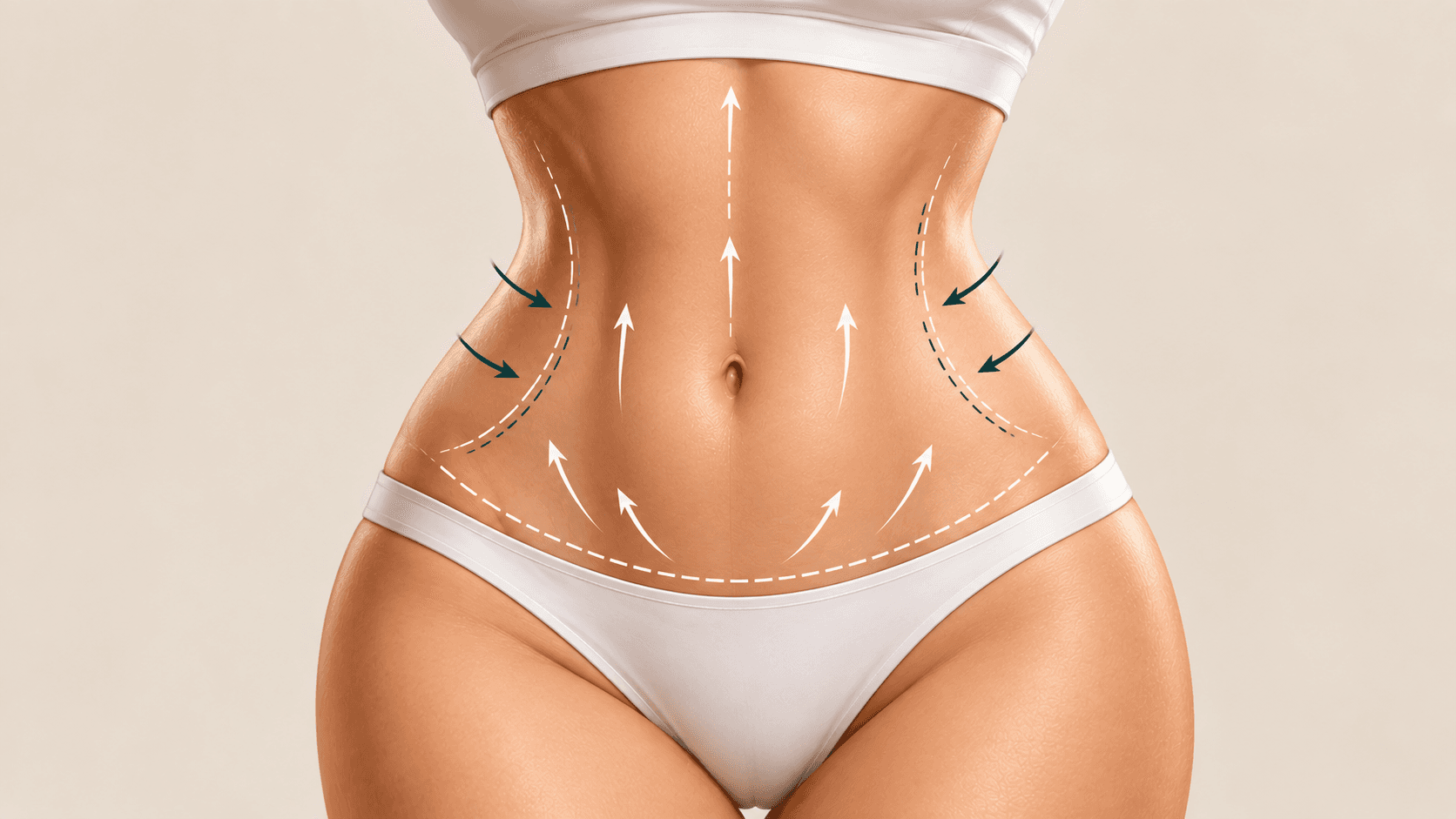
Abdominoplasty
Abdominoplasty, or tummy tuck, is a surgical procedure that removes excess abdominal skin and fat and can tighten the abdominal muscles. People often consider it after pregnancy or major weight loss.
Verified clinics: 0
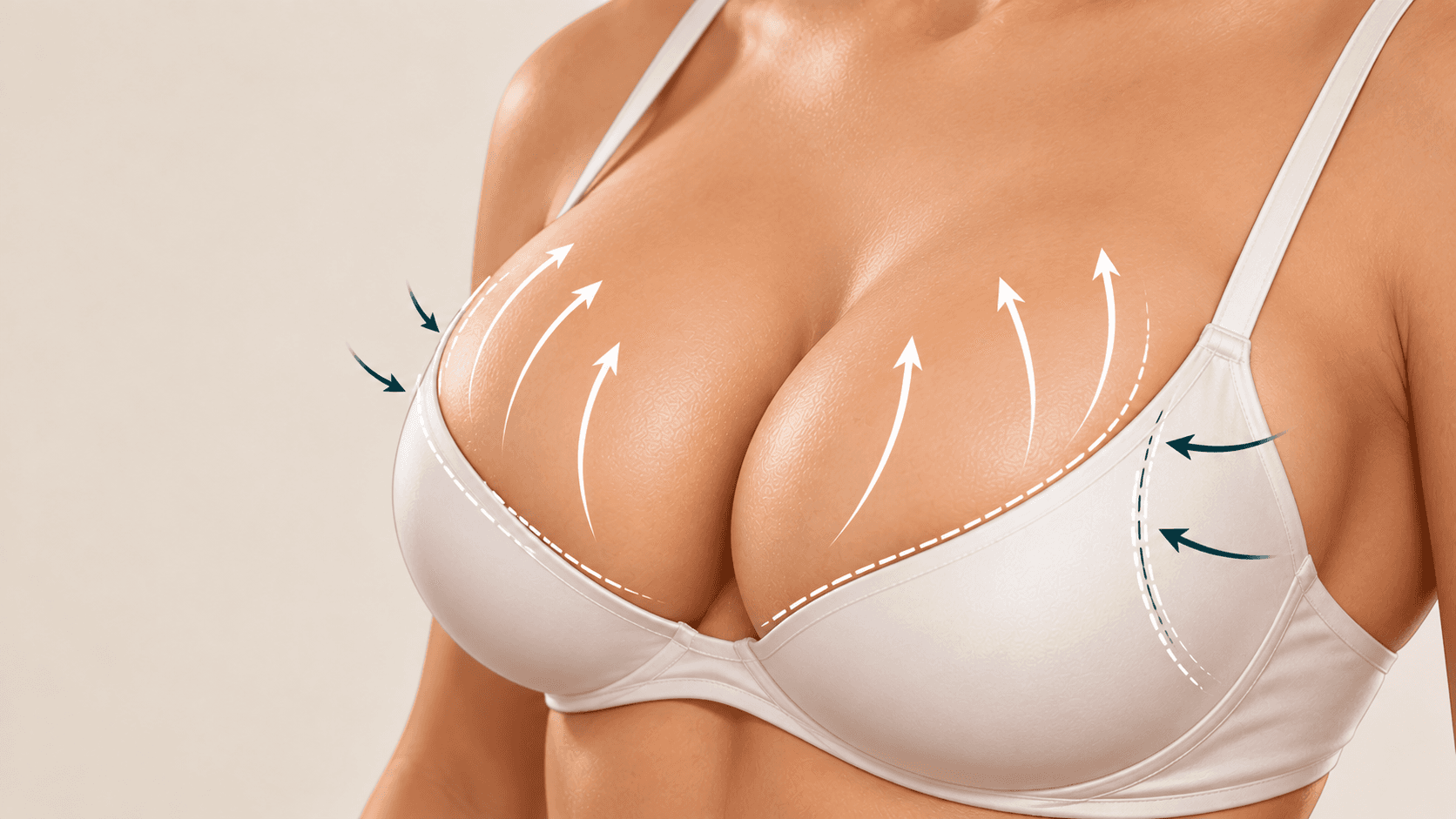
Breast augmentation
Breast augmentation is cosmetic surgery that uses implants or fat transfer to increase breast size, improve shape or symmetry, or restore lost volume. It is usually done under general anaesthesia.
Verified clinics: 0
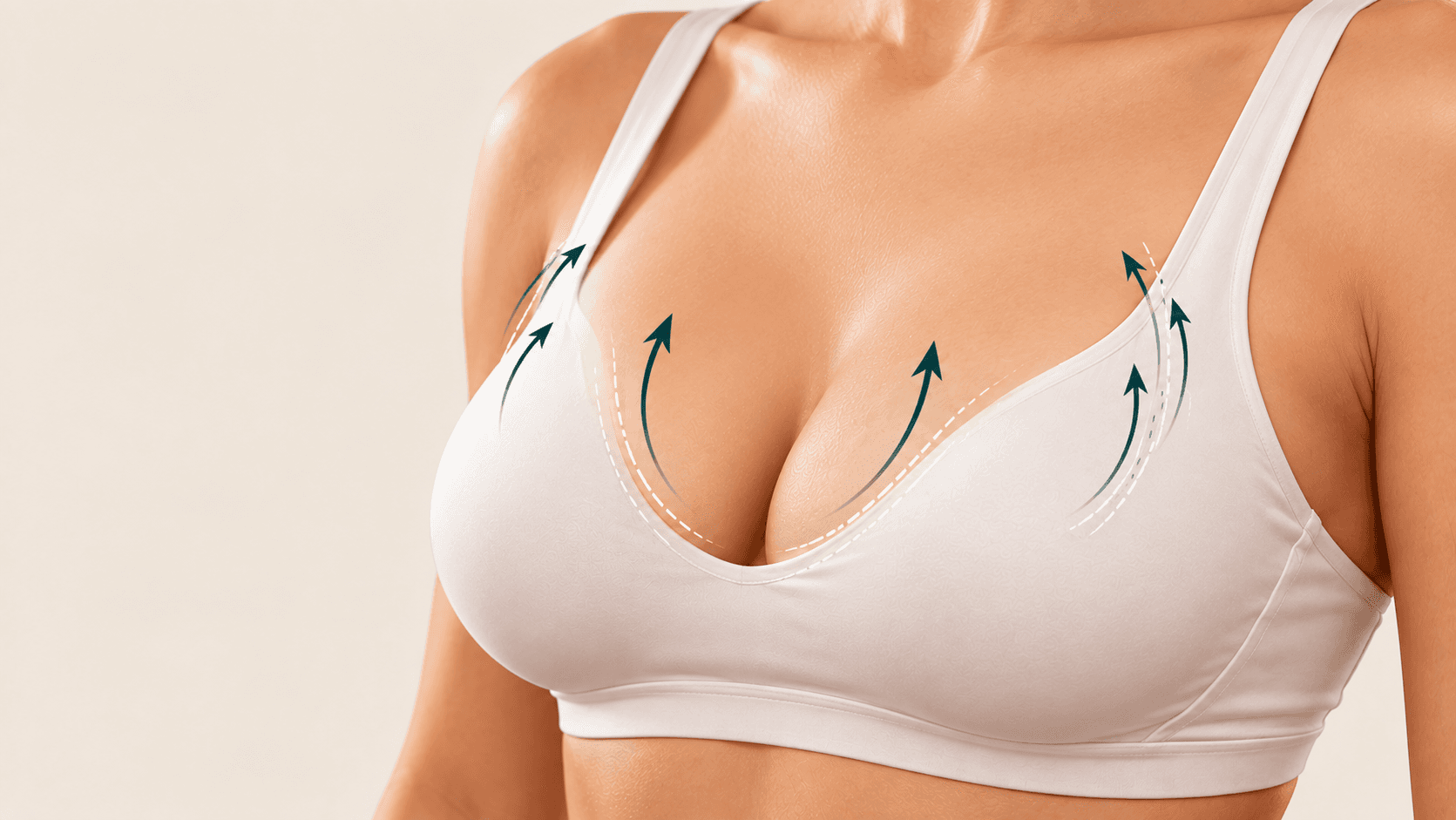
Breast lift
A breast lift (mastopexy) raises and reshapes sagging breasts by removing excess skin and repositioning the nipple. Compare verified clinics abroad and send one free request.
Verified clinics: 0
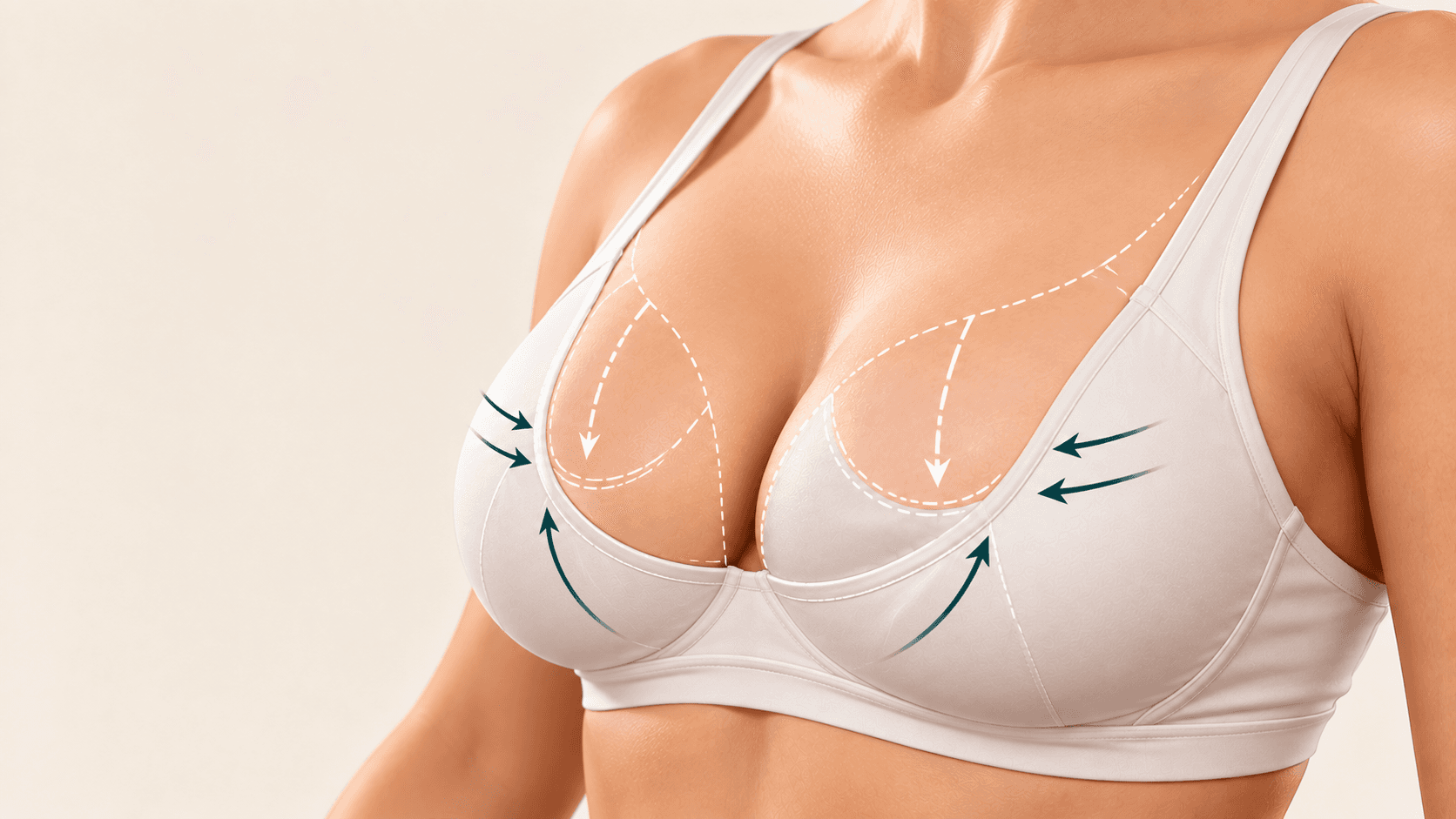
Breast reduction
Breast reduction is surgery to remove excess breast tissue, fat and skin, creating smaller, lighter breasts. It can help ease neck, back and shoulder discomfort and make everyday activities easier.
Verified clinics: 0
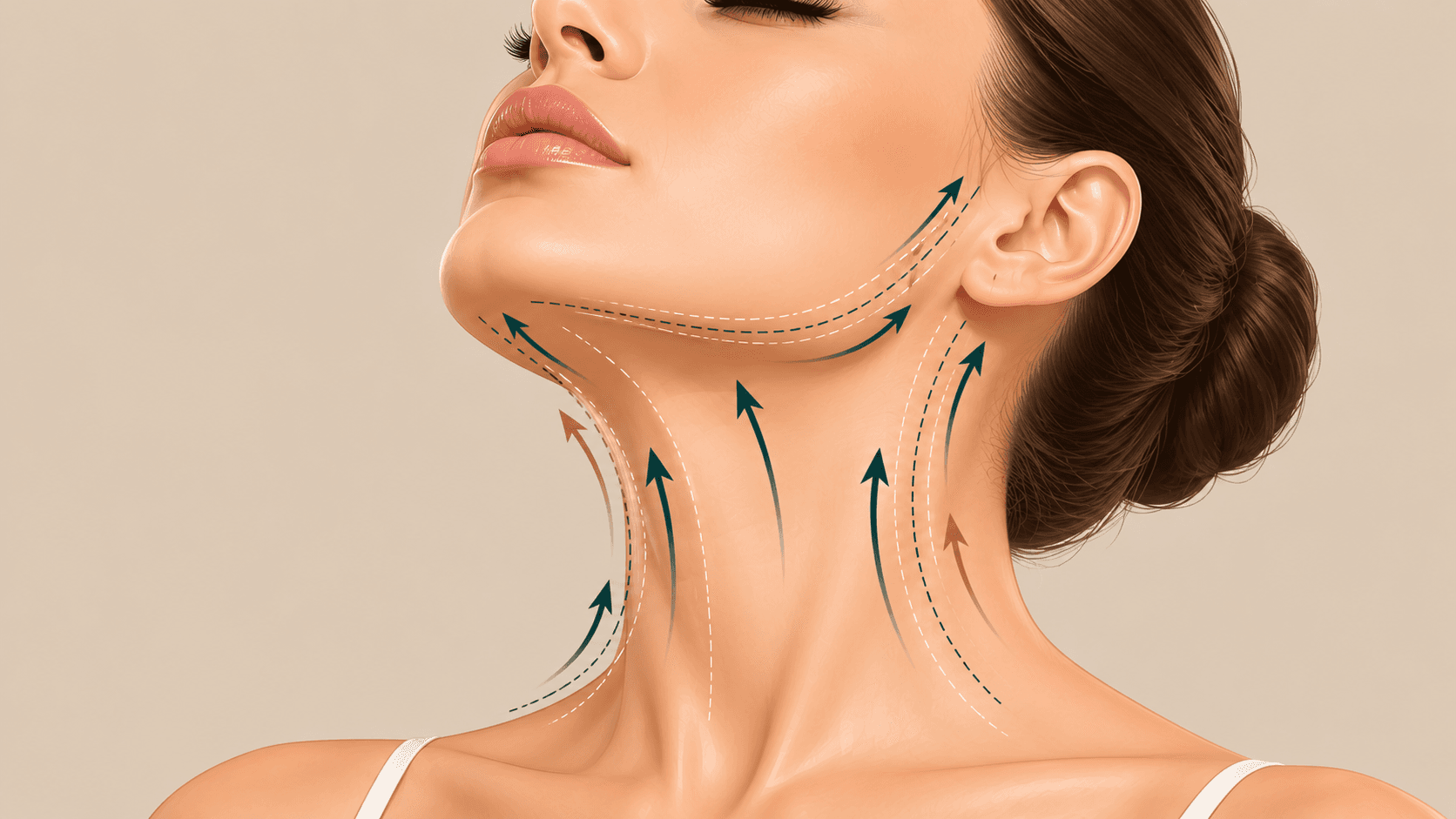
Facelift
A facelift is a surgical procedure that lifts and tightens sagging skin and deeper tissues of the lower face and neck, aiming for a fresher, more rested look that still looks like you.
Verified clinics: 0
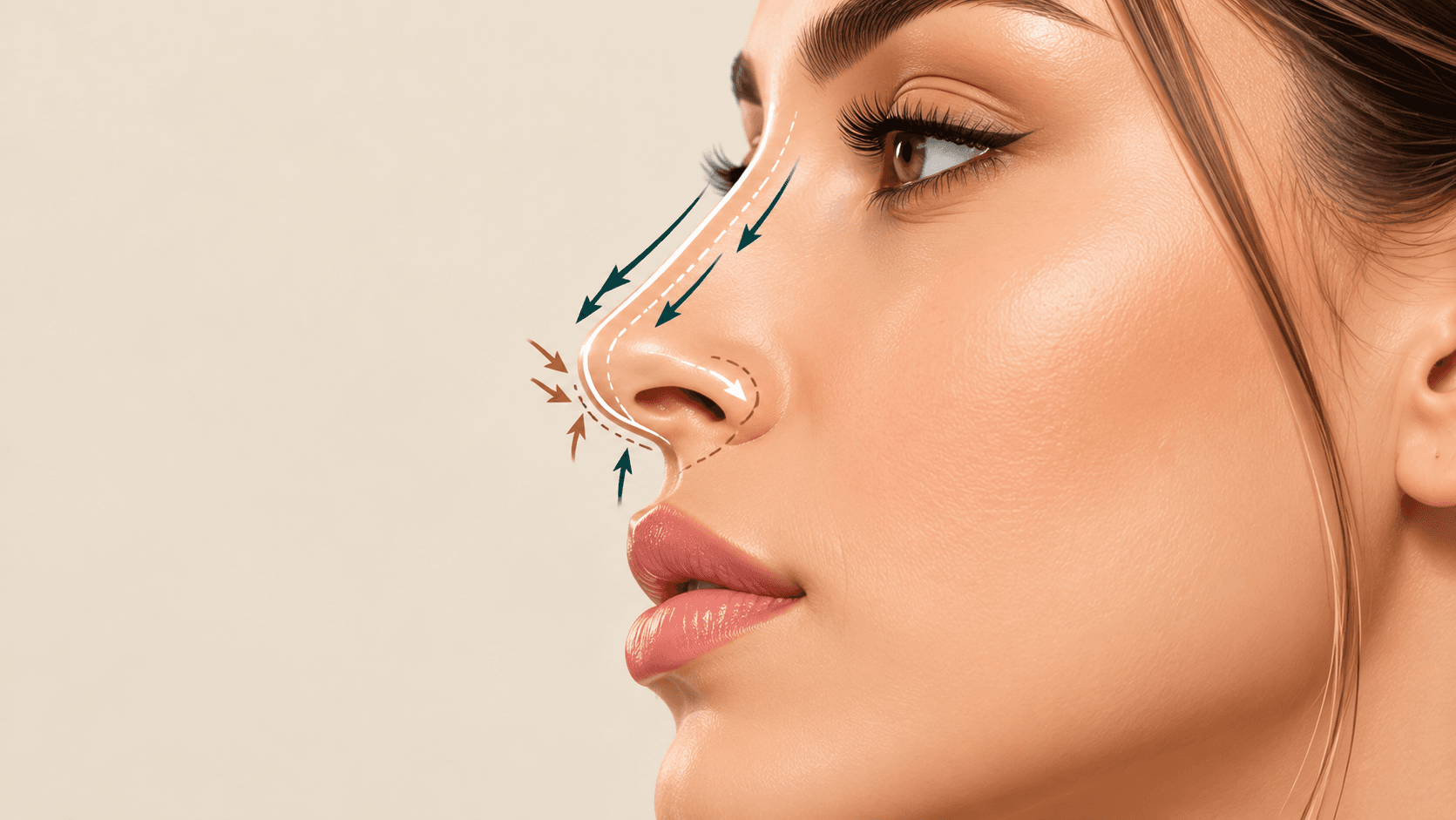
Rhinoplasty
Rhinoplasty is surgery that reshapes the nose for cosmetic or medical reasons, such as refining the tip or bridge or improving breathing. Compare verified clinics and discuss your goals with the treating surgeon.
Verified clinics: 1